Early Signs of Pregnancy
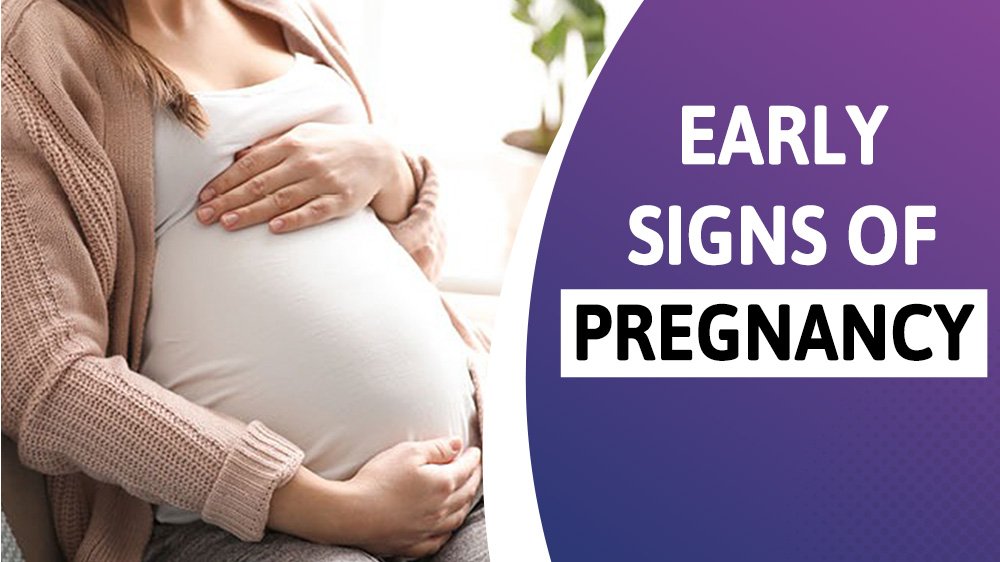
A missed period or feeling tired for no reason could make a woman think that she could be pregnant. Some changes happen to a woman’s body when she is pregnant that can be noticed before she even takes a pregnancy test.
Not all women’s bodies start changing in the same way, even with the same amount of time, with some women even feeling next to nothing. Having the knowledge to perform self assessment of the symptoms helps to understand the possibilities of being pregnant.
In this blog, we will be going over the most common symptoms of early pregnancy, when they start, how they differ from regular period symptoms, when to take a pregnancy test, and when to see a doctor.
What Are Early Signs of Pregnancy?
There are physical and hormonal changes occurring in the body when a fertilized egg is implanted into the uterus. Emptying of the uterus triggers the body to detect its conception. Pregnancy hormones are produced and those are called human chorionic gonadotropin (hCG), Estrogen, and Progesterone. These contribute to either maintaining the pregnancy or changes in the body.
Every woman undergoes a different experience when it comes to the signs of early pregnancy. Some women see signs easily and some women are so incognito to the point that they wouldn’t even notice them. Some women can see the signs of pregnancy within the first one or two weeks after conception. Other women may not recognize the signs of early pregnancy until a period is missed.
Most Common Early Signs of Pregnancy
1. Missing a Period
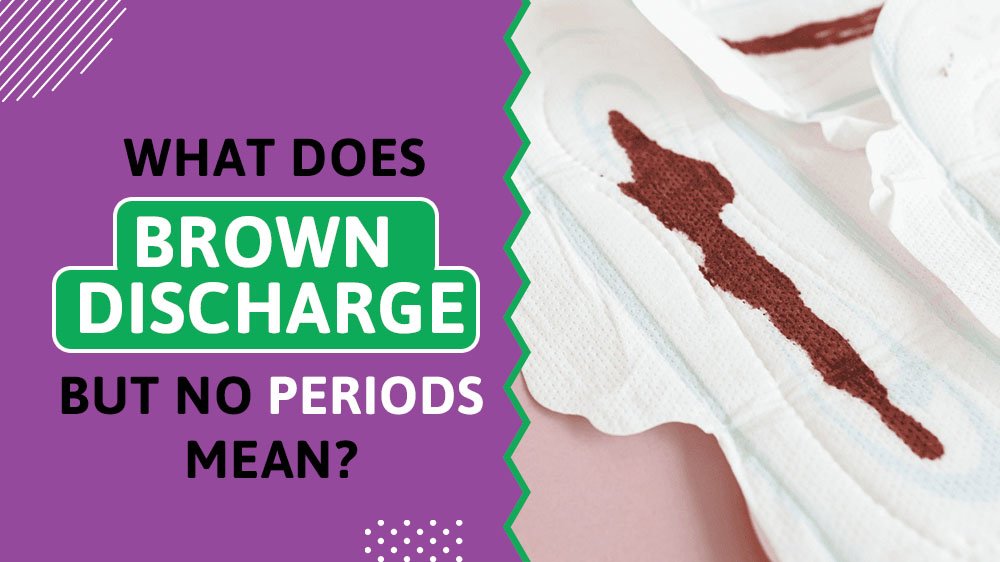
When ladies are pregnant, they normally miss their period. There are also other reasons why someone could miss their period, such as stress, hormone imbalances, excessive exercising, or other medical reasons.
There could be other reasons, such as medical conditions, that would cause someone to have a missed period, so it is important to take a pregnancy test to see if they are pregnant.
2. Implantation Bleeding or Spotting
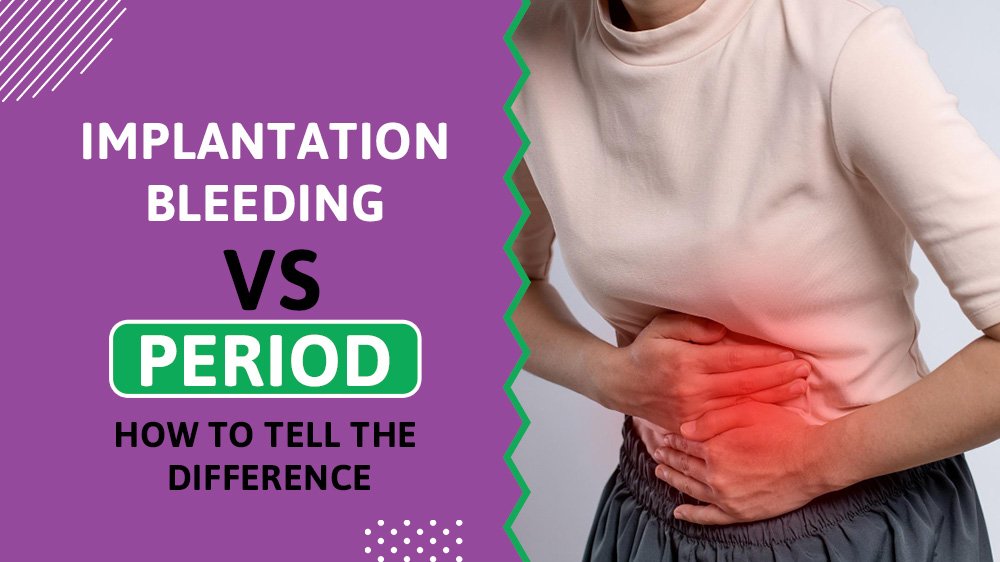
Some women are able to see some very light spotting when a fertilized egg attaches to the inner lining of the uterus. This happens about 6 to 12 days after conception.
This bleeding is also very light, which is why it is different from period bleeding.
3. Breast Tenderness and Changes
When women first become pregnant, their bodies go through a lot of changes, and there is a lot of new hormones in the body. This is going to cause breasts to become tender and a little bigger.
Some women also notice the color of the areola (the part of the nipple that is darker) becoming a lot darker than it usually is, and is to prep the body for breastfeeding.
4. Nausea and Morning Sickness
One of the most common signs of pregnancy is nausea. While people call it morning sickness, this nausea can happen at any time of day.
This symptom typically begins between 4 and 6 weeks of pregnancy and typically correlates with nausea, whether there is vomiting or not. Rapid hormonal adjustments, most likely increases of hCG, make the body comfortable with this condition.
5. Fatigue and Extreme Tiredness
Pregnancy symptoms include unusual tiredness. Symptoms of early pregnancy include tiredness and fatigue, which may make a person feel sleepy after having done a sufficient amount of rest.
6. Frequent Urination
Increased need to urinate is also a common sign of pregnancy. Blood circulation and hormonal changes can cause the body to produce more pee. This symptom can start early and continue throughout the full term.
7. Food Desires or Food Dislikes
Pregnancy hormones impact food and smell, and food might sound gross to you. Others may crave certain foods that they didn't like and may quickly develop dislikes for foods they used to enjoy. Increased sensitivity to smells is normal and common in the early stages of pregnancy.
8. Mood Swings
Pregnancy leads to crazy changes in hormones and body, which is no easy task. In the first few weeks of pregnancy, a woman may experience mood swings, and the person might suddenly hold their emotions in and instead lash out. It is something that might happen, and in a few weeks, emotions might stabilize.
9. Mild Abdominal Cramps
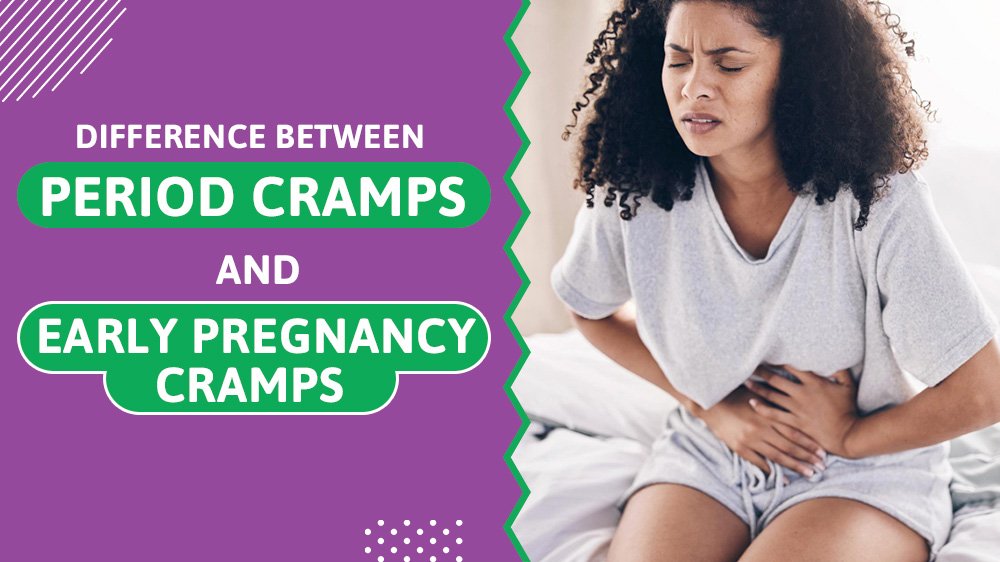
During the first few weeks of pregnancy, the uterus begins to adapt and develop to implant a thriving embryo, and mild cramps may happen. It is light and is like a light period or like in the absence of heavy bleeding. If there is a period like heavy, bloated, and painful bleeding, it is always serious and talk to a doctor.
10. Increased Vaginal Discharge
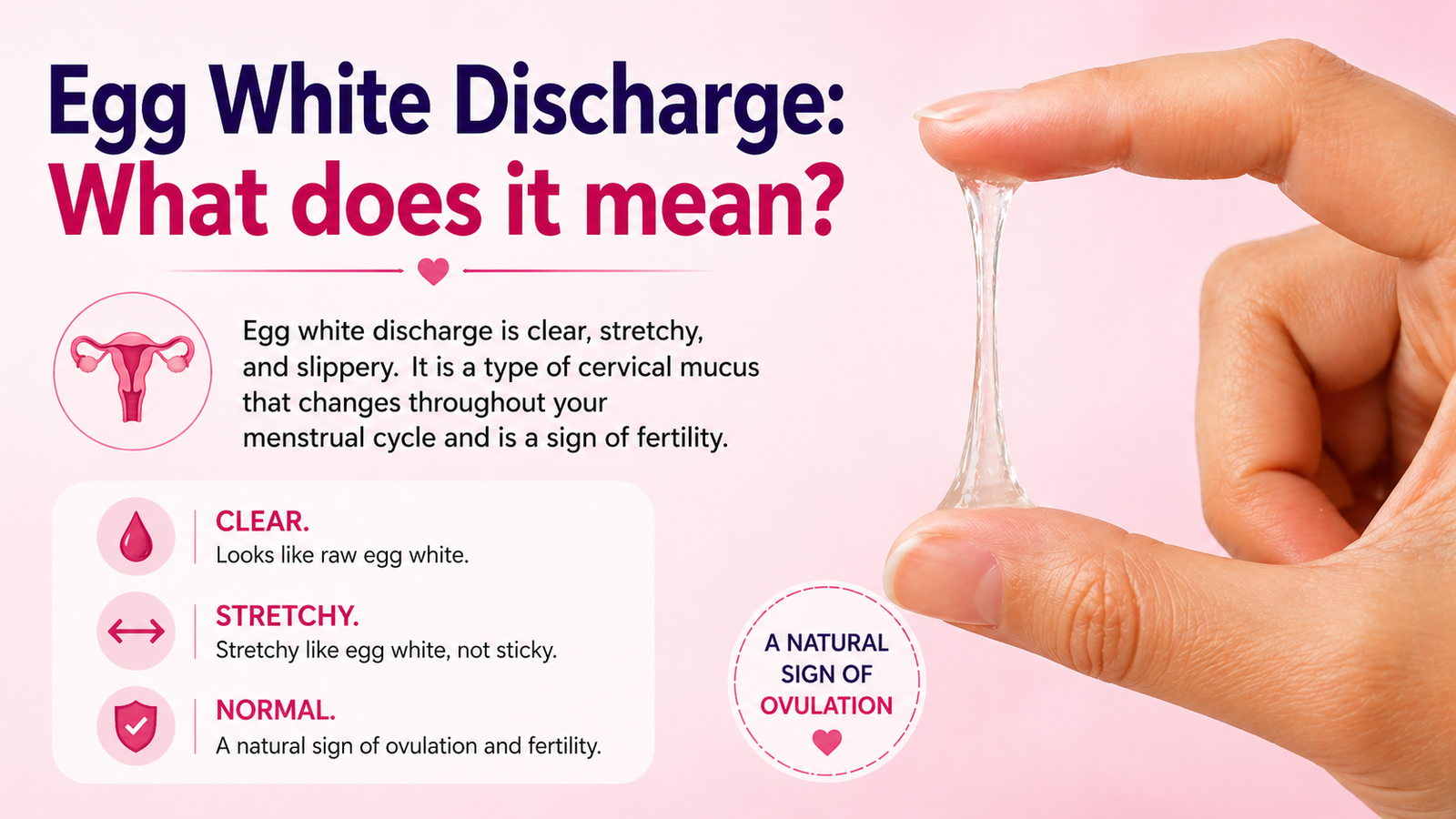
Countless females in the early stages of pregnancy will experience an increase in cloudy or white discharge greater than normal. It is called leukorrhea and is due to the increased flow of blood. It helps to prevent disease in the woman because like the flow vaginal blood to the woman. It's like a wall to infections of the body and has little to no odor.
When Do Early Pregnancy Symptoms Start?
The signs of pregnancy happen at different times in different women. Some may see signs of pregnancy 1-2 weeks after conception, while others may not see signs until after they have missed a period.
Most of the time, signs of pregnancy start to appear 4-6 weeks after conception due to a rise in levels of hormones. Some women may have no signs or just extremely mild signs during the earliest stages of pregnancy. For this reason, it may not provide an accurate picture of whether a pregnancy has occurred. A pregnancy test provides the most reliable means to confirm a possible pregnancy.
Early Pregnancy Symptoms vs PMS
It's hard to tell if you have early pregnancy signs or if you have premenstrual signs since many are the same.
Some signs are:
- Sensitive breasts
- Changes in feelings
- Tiredness
- Minor stomach cramps
There are some signs that are more likely to be early pregnancy signs than premenstrual signs. For instance, if you have a negative period, spotting from implantation, nausea that doesn't seem to go away, and you go to the bathroom a lot.
When Should You Take a Pregnancy Test?
If you missed your period, then that is a good time to take a pregnancy test. Pregnant women's urine has a hormone that is called hCG, and that is what is tested for in most home pregnancy tests. An early test can give a positive or negative result.
Tests that show a negative result when you are actually pregnant are called false negative tests. Even if you have symptoms that you are pregnant, you can get a negative test result. If you take a test and it says that you are not pregnant, wait a few days and take another test or go see a doctor.
Blood tests that are done in doctors’ offices can detect pregnancy before most home pregnancy tests can. Blood tests are also more accurate than urine tests.
When Should You See a Doctor?
It is important to consult a Gynaecologist to confirm the pregnancy and begin early prenatal care if you think you might be pregnant. You should seek medical attention immediately if you experience any of the following symptoms:
- Severe abdominal pain
- Heavy bleeding
- Persistent vomiting
- Feeling dizzy or faint
Even if your symptoms seem mild, getting checked early by a Gynaecologist can help ensure proper monitoring and a healthy start to your pregnancy.
How Pregnancy Is Confirmed
Most specialists approach pregnancy testing through a few common methods:
- An initial urine test to check for the presence of the hormone called hCG
- Blood tests that measure specific levels of hCG
- Ultrasounds to determine the location of the pregnancy
- Medical examinations, along with the tests above, are for a prenatal assessment
Confirming the pregnancy helps the doctors manage the pregnancy closely to help manage the health of the pregnant woman and give appropriate guidance.
Conclusion
Early signs of pregnancy can include missed periods, nausea and breast soreness. Other signs can include extreme tiredness, frequent urination, and having jumping moods.
Every woman experiences different symptoms after conception due to individual body changes. Symptoms can hint that there is a pregnancy; however, confirming it with a test is also important to see a doctor. Other symptoms that show a pregnancy can occur; starting prenatal care is important to do as soon as possible.
You can make a consultation with one of the best fertility specialists in SCI IVF Hospital, one of the best IVF hospitals in India. They will help you step by step to achieve your dreams of becoming a parent.