Retroverted Uterus: Causes, Fertility, and Treatment Options
Hearing the words 'tilted uterus' for the first time can certainly be confusing, especially when the exam is just a routine check up. The worries become greater when there is a chance a woman may become pregnant.
Naturally, many ask, 'Do I have to worry about getting pregnant now?' or 'Will I have to consider this a problem for the rest of my life?' The good news is there is a good chance this is just the body's natural variation as opposed to something medically concerning. What is a tilted uterus and how is it going to impact reproductive health and has it become a concern that is weighing you down with anxiety?
This blog is about retroverted uteruses, what causes it, if there are any symptoms, and if there is a possibility of a treatment and how much it is going to affect your chances of being pregnant.
What Is a Retroverted Uterus?
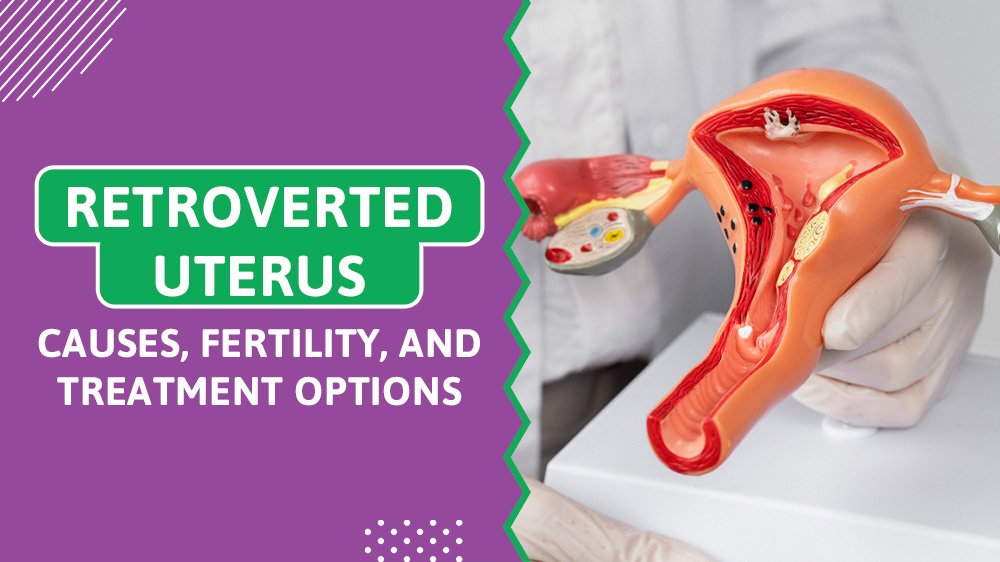
A retroverted uterus is when instead of the uterus tilting forward towards the bladder, it tilts backward, towards the spine. Many women will commonly refer to this as a tilted uterus, but it is actually a normal anatomical variation.
Some may say inverted uterus, but this is actually a different condition and not as medically correct for this definition. Another term you might see is retroflexed uterus which describes the same condition but one is more flexed than tilted.
A retroverted uterus is also not a disease, but rather just a variation of how the uterus may be positioned inside the pelvis. Lots of studies show a retroverted uterus is very common and can occur without negatively effecting a person's life.
Causes of Retroverted Uterus
There are many reasons a uterus can be retroverted, and in a lot of cases women are born with it.
By Birth
Some women are born with a tilted uterus and that’s totally normal. No treatment is needed.
Endometriosis
Right endometriosis can create scar tissue that pulls the uterus back.
Fibroids
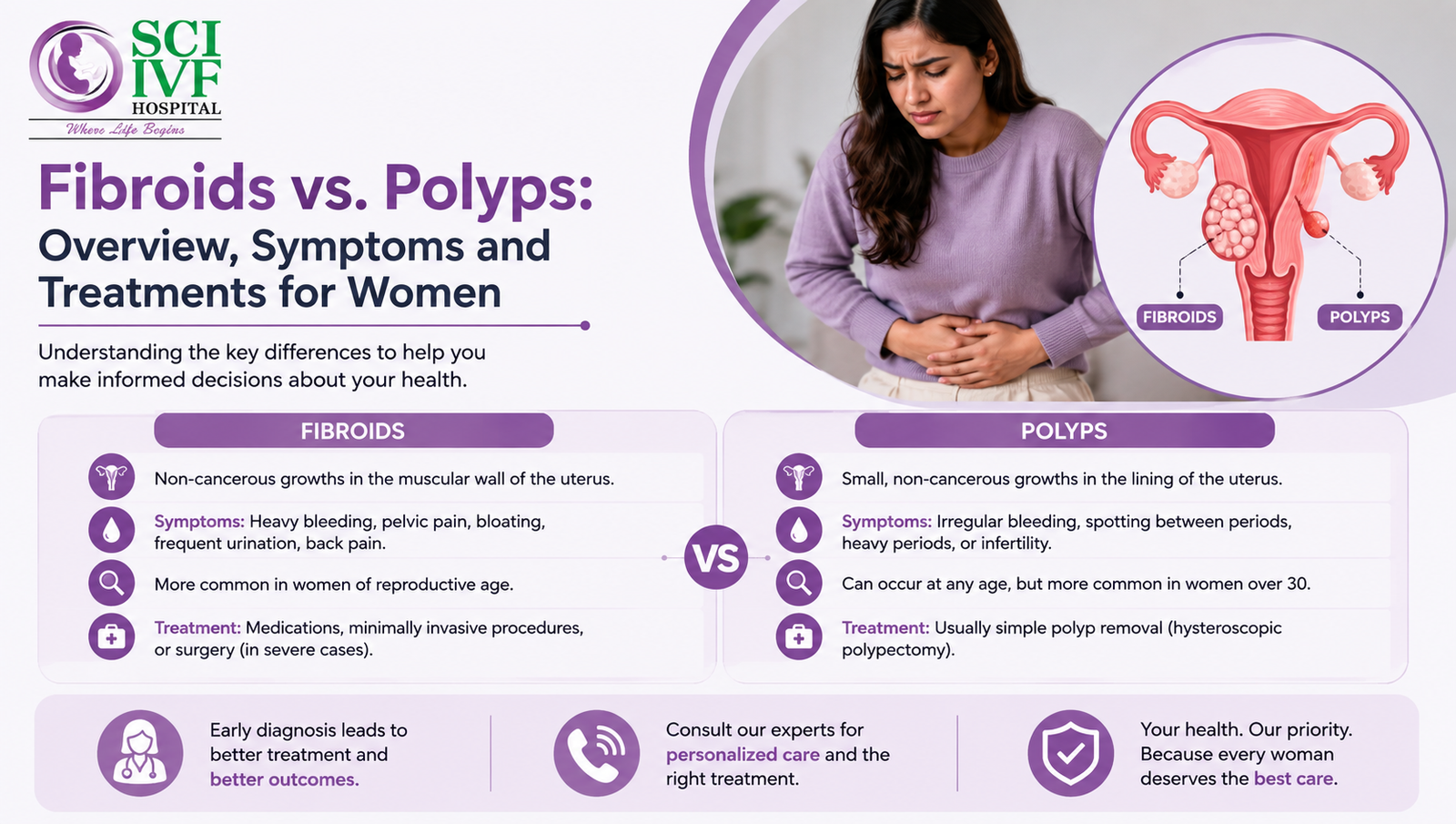
These are non-cancerous tumors and can also change the position of the uterus.
Pelvic Inflammatory Disease (PID)
Infections in the pelvis can cause scarring that changes the position of the uterus
Post Pregnancy
After having a baby, the ligaments that hold the uterus can become weak and cause the uterus to tilt back.
In most cases, a retroverted uterus is not a medical concern.
Symptoms of a Tilted Uterus
Some women with an abnormally tilted uterus show no signs at all; thus, they become aware of this condition only after undergoing a pelvic examination.
Sometimes, some symptoms like the following may manifest themselves:
- Backache
- Pain during intercourse
- Dysmenorrhea
Nevertheless, these symptoms are not always associated with having a retroverted uterus since sometimes they may indicate some other disorders.
Retroverted Uterus and Fertility
Most women worry about how a tilted uterus may affect their ability to get pregnant.
Most of the time, concerned women can be told that a tilted uterus does not affect ability to conceive. A tilted uterus does not stop women from getting pregnant. The position of the uterus does not stop sperm from getting to the egg or from fertilization occurring.
In cases of a tilted uterus combined with endometriosis or severe adhesions, then that may affect the ability to conceive, but that is not due to the position of the uterus. It is due to those other conditions.
Can You Get Pregnant with a Retroverted Uterus?
Having a retroverted uterus does not change your chances of getting pregnant. Your chances of conceiving are pretty much the same as with a forward-tilted uterus.
The problem does not lie with the uterus. It’s designed to adapt and its position won’t deter early development of a pregnancy or implantation.
Most women with a tilted uterus end up having normal pregnancies. If you have been trying to get pregnant and it is not working, do not jump to the conclusion that the position of your uterus is why. You need to look at other reasons that could be the cause.
Retroverted Uterus During Pregnancy
Your uterus can grow a lot during pregnancy, and it is usually the case that by the second trimester, a person with a retroverted uterus would have that organ shift into an anterior position.
As the uterus enlarges, it will go from the pelvic area. This is why a retroverted uterus during pregnancy is usually normal and is not problematic.
In very rare situations, if the uterus is not able to reposition, it can result in what is referred to as a "trapped uterus". This situation is rare and can be treated easily with medical intervention.
Treatment Options for Retroverted Uterus
Generally, women with a retroflexed uterus won’t need treatment, unless they have problems caused by it, in which case the following options can be exercised:
Pelvic Exercises
Some exercises, including Kegels, can strengthen pelvic muscles and offer support.
Pessary Device
This is a temporary solution, where a device is placed in the vagina to facilitate the repositioning of the uterus.
Surgical Correction
This is the last option and, as such, surgery is very rarely done and only if the retroflexed uterus is causing problems.
Intervention is not required in most cases, and it is always best to avoid surgery unless it is absolutely necessary.
When Should You See a Doctor?
Although a retroverted uterus is usually no cause for concern, you should consult a doctor for the following reasons:
- Consistent pain in the pelvis or back
- Painful sex
- Trouble getting pregnant
- Abnormal, intense, or debilitating periods
These symptoms could suggest something more serious, and should be looked at further.
How SCI IVF Can Help
It is important to know your reproductive health, especially when preparing for pregnancy. At SCI IVF Hospital, patients receive evaluation and personalized counseling for conditions such as a retroverted uterus.
Using the best technology and experience in fertility, the staff is able to identify the problems. If you are trying to get pregnant, or need to understand your condition, SCI IVF Hospital is with you for all the delicate and detailed work.
Conclusion
A retroverted uterus is a common and usually harmless anatomical variation that does not typically affect fertility or pregnancy. While the term may sound concerning, it is important to understand that most women with a tilted uterus can conceive and carry a pregnancy without complications.
Recognizing the difference between a normal variation and a medical concern can help reduce unnecessary anxiety. If you have concerns about your fertility or symptoms related to a retroverted uterus pregnancy, seeking expert guidance is the best step forward.
At SCI IVF Hospital, recognized as one of the best IVF Center in India, you can access trusted medical expertise, advanced fertility care, and personalized support to guide you through your journey with confidence.