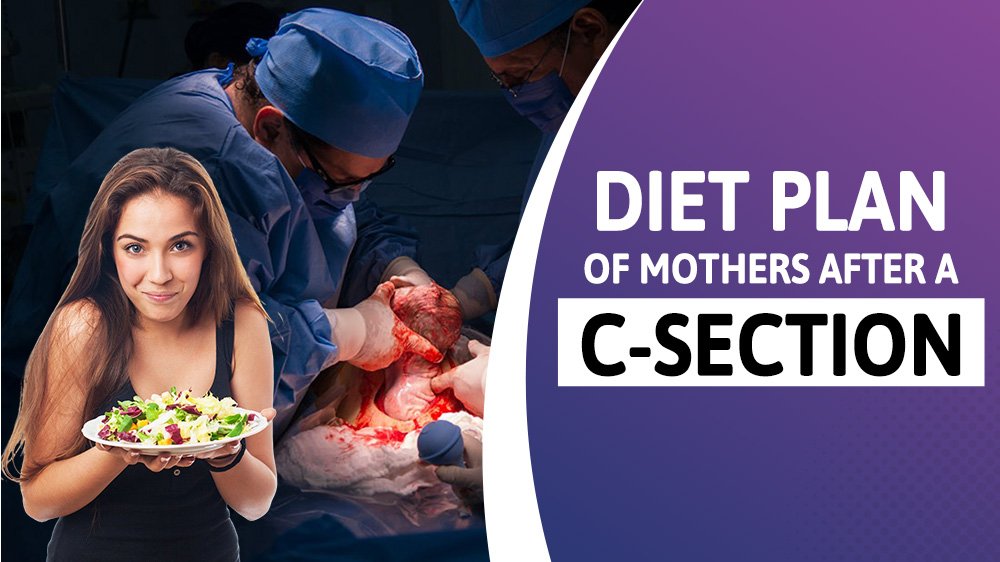
Diet Plan for Mothers After a C-Section
Undergoing a C-section is a major surgery and healing from it takes a lot of care, rest, and a balanced diet. It is not just about the surgical incision healing; the body will need time to regain strength and even to aid in the process of breastfeeding.
The right diet postpartum can be the deciding factor in increasing energy, assisting with infection prevention, and boosting milk production.
While a postpartum diet can be extremely helpful for the production of milk and energy, it can also contribute to issues that many mothers face after surgery. We will provide you with the nutrients that you will need while suggesting foods to eat, foods to avoid, and tips for a healthy recovery.
Why Nutrition Is Important After a C-Section
C-section patients experience extra strain from surgery and giving birth. Good nutrition during recovery from the surgery helps the body to recover.
The body needs a lot of nutrition to heal the surgical incision. Tissue repair is aided by the body receiving the nutrition. Eating food helps to make energy after losing blood during the process of giving birth. Eating good food helps avoid infections.
The food breastfeeding mothers need during recovery is greater than the food needs of non-breastfeeding mothers. This is because the body needs additional nutrients to produce breast milk and a good diet is beneficial to the health of both the mother and the baby.
Key Nutrients Needed After a C-Section
Your body will benefit from specific nutrients that will help it heal faster and help your overall well-being after C section.
Protein
Protein helps rebuild and strengthen your body after surgery. This part of your recovery will help you a vital part of your diet. This boost can be obtained from eating eggs, chicken and fish.
Iron
Due to blood loss in childbirth, new mothers will have an increased need for iron. It is within dates, meat, and some legumes and is necessary to help create hemoglobin in order to prevent anemia.
Calcium
Calcium is essential in order to support new mothers and so they can breastfeed and help provide important nutrients to their babies, and it also contributes to the health of their bones and teeth.
Fiber
After surgery, constipation can happen from less movement and from pain meds. Eating more fiber leads to good digestion and some examples of fiber are Whole grains, fruits, veggies and oats.
Vitamin And Mineral
Vitamins C and zinc are important for healing and keeping us from getting sick, as healing can happen faster if the immune system gets support. These nutrients can be found in fresh fruits and veggies, as well as nuts and seeds.
Best Foods to Eat After a C-Section
Your choice of foods will also be important in postpartum recovery. Let's take a look at what a mother should eat after a cesarean delivery.
Food Rich in Protein
Protein food helps recovery by repairing tissue. Chicken, fish, eggs, lentils, tofu, paneer and beans help heal and strengthen the muscles.
Food Rich in Iron
Food rich in iron is good to eat since they help regain blood loss and also helps with energy. Iron can be obtained from green and leafy foods like spinach, and also from foods like dates, jaggery, lentils, and red meat.
Fiber-rich foods
Constipation can be common after surgery and fiber can help prevent this. Whole grains, as well as fruits, like apples and bananas, and vegetables, like carrots and broccoli, will help digestion.
Dairy Product Foods
Calcium and protein are provided in food that are dairy products and are very important when recovering from giving birth. Milk, yogurt, and cheese help with bone health, as well as breastfeeding mothers with nutrition.
Water and Hydrating Fluids
For recovery to be fast and to make milk, staying hydrated is really important. Water, soups, and drinks with herbs, as well as coconut water contributes to staying hydrated and help with recovery from exhaustion.
Sample Diet Plan for Mothers After a C-Section
A basic daily meal plan that provides complete nutrition enables mothers to recover to their full strength.
Foods to Avoid After a C-Section
Be careful with fast food and junk food. Even though it is easy to get, it has lots of sugars, salts, and fats, and few nutrients. You'll not heal as fast as you could if you eat this stuff.
Food that is too spicy could be a problem, as eating this could make you feel sick after surgery. Try eating food that helps you feel better and is easy to digest.
Soda and sugary drinks are also a bad choice. They can make you feel gassy and mess with your body.
Too much caffeine is a bad idea, as it can make you unable to sleep and can also make it hard for you to get enough water. If you are a breastfeeding mother, this is even more important.
When Should You Consult a Gynaecologist or Nutritionist After a C-Section?
Most mothers recover well with proper care, nutrition, and support after a C-section. However, certain conditions may require medical attention.
You should consult a gynaecologist or nutritionist if you experience slow-healing wounds, persistent weakness, or severe digestive issues that affect your nutrition. Professional guidance can also help manage concerns like low milk supply, fatigue, and overall recovery.
Regular postpartum check-ups play an important role in monitoring the health of both the mother and baby, ensuring a safe and smooth recovery.
Conclusion
After a C-section, mothers need to eat healthy and maintain a balanced diet to help them recover. Good meals aid the healing of the wound, help boost energy, reduce the chance of infections and develop more breast milk.
Mothers can help aid the recovery process by steering clear of food that is highly processed, drinking sugary drinks and other unhealthy drinks. For good digestive health, aid healing, and the recovery process, eat a healthy, balanced diet and drink plenty of water, get plenty of rest, and seek medical help when necessary.
If you are looking for help from a professional about anything regarding pregnancy, birth, and all that comes after, the SCI IVF Hospital can help. They are one of the best IVF center in India and have a highly trained staff that provides specialized care to mothers during the entire process and recovery from pregnancy.