What is PCOS?
You may have heard of Polycystic Ovary Syndrome (PCOS) if you've recently gained weight, have irregular periods, persistent acne, or difficulty getting pregnant. PCOS is one of the most common hormonal disorders affecting women of reproductive age and can impact fertility if left untreated.
Today, many experts believe the term “PCOS” does not fully describe the condition because it affects much more than just the ovaries. Not all women with PCOS have ovarian cysts. The condition can also affect hormones, metabolism, insulin levels, weight, fertility, and overall reproductive health. Because of these broader effects, some doctors and researchers now refer to PCOS as PMOS (Poly Metabolic Ovary Syndrome) or a metabolic reproductive disorder, highlighting its strong connection with hormonal imbalance, insulin resistance, obesity, and irregular menstrual cycles.
Although PCOS can feel overwhelming, the good news is that it is highly manageable with the right treatment and lifestyle support. This blog will help you understand PCOS symptoms, causes, treatment options, the link between PCOS and infertility, and advanced fertility treatments like IVF for PCOS available at SCI IVF Hospital.
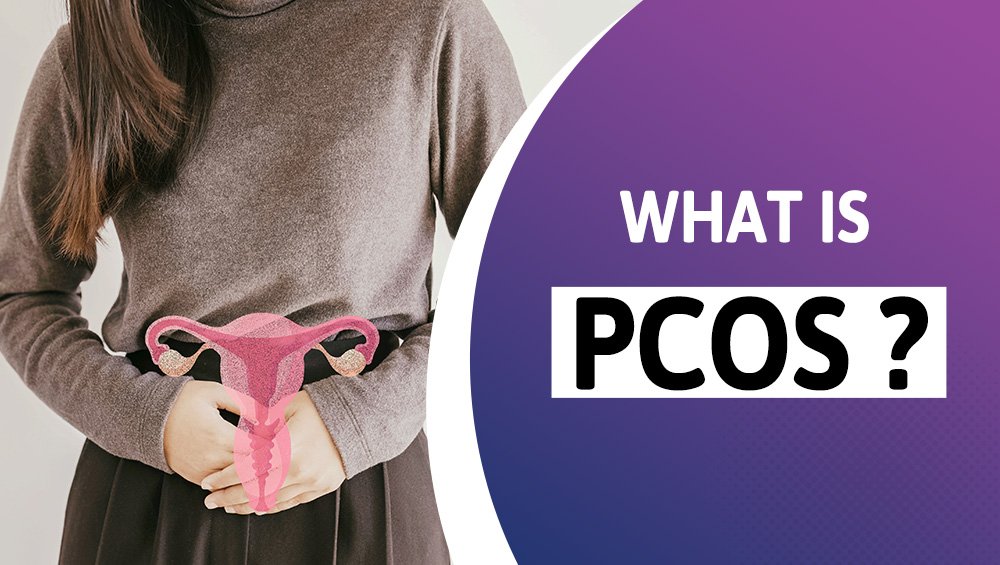
What is PCOS?
Polycystic Ovary Syndrome is a hormonal condition that can disrupt a woman’s menstrual cycle and ovulation. Each month a woman’s ovaries are supposed to release an egg but with PCOS, that release doesn’t happen.
PCOS women tend to have a higher presence of “androgens,'' which are male hormones. Lots of “androgens” can actually disrupt ovulation. Women with PCOS may develop multiple small follicles in the ovaries that do not mature or release eggs regularly.
There are many reasons PCOS is linked to infertility. One of those reasons is irregular ovulation. At SCI IVF, many of our patients who are unaware of their PCOS usually present to us trying to conceive.
Common Symptoms of PCOS
Signs of PCOS can differ in type and severity. Some may have mild symptoms, and others may have severe hormone problems. Several PCOS symptoms can include:
A menstrual cycle with irregularity or one that can be missed entirely
- More than one period each month
- More body or face hair
- Acne and increased oiliness of skin
- Weight gain, especially around the stomach
- Scalp hair loss or more thinness of the hair
- Long time trying to get pregnant
Some women with PCOS may not have cysts in their ovaries. Also, it's not guaranteed that a woman will show every symptom. This is the reason that the medical exam must be careful and thorough.
What Causes PCOS?
PCOS causes are unknown, but it seems to be linked to the following:
1. Hormonal Imbalance
Women with PCOS have high androgen levels, interrupting normal cycles of ovulation and menstruation.
2. Insulin Resistance
Women with PCOS have what is known as insulin resistance. Their bodies are not fully using the insulin produced, which in turn induces the body to produce more insulin. This creates more androgens and heightens symptoms.
3. Genetics
PCOS is familial and an increased risk of PCOS is associated with maternal or sibling PCOS.
4. Lifestyle Factors
PCOS symptoms are intensified along with hormonal imbalance, less physical activity, poor nutrition, and obesity.
At SCI IVF, understanding what is behind your PCOS is the key to addressing your hormonal and fertility goals with well-tailored interventions.
How PCOS Affects Fertility
While PCOS causes infertility in women, it is not the most infamous difficult condition to treat.
The main difficulty is missing regular ovulation. In some cases, there is a consistent absence of egg release.
Also, there is:
- A hormonal imbalance that can affect egg release
- Hormonal imbalance associated with PCOS may affect ovulation and egg quality.
- Cycles that aren't regular mean there is no way to understand the prediction of fertile windows
Even if a woman has PCOS, it does not mean that she can never become pregnant. With the proper care and necessary fertility treatment many women with PCOS can have babies.
Can You Get Pregnant with PCOS?
Yes, for sure! This is something that every woman with PCOS should consider.
PCOS can indeed make getting pregnant a little harder, but there are lots of awesome fertility treatments that can help.
At SCI IVF, we have helped so many women with PCOS have successful pregnancies through:
- Techniques that help families make and release more eggs
- Balance hormones
- More specialized IVF
Early diagnosis with the right support is very important. Avoiding help can make the process a lot harder as time passes.
How is PCOS Diagnosed?
When diagnosing PCOS, “a combination of tests is used.”
Diagnosing PCOS usually entails:
- Evaluation of menses (documenting missed, skipped, and prolonged cycles)
- Indicators of growth (examine for signs of weight gain, as well as accessory growth)
- Hormonal blood tests (assess for hormonal balances)
- Sonography (to examine ovarian health)
You are likely to be diagnosed with PCOS if:
- Irregular ovulation cycles are present
- High androgen presence is detected
- Polycystic ovaries are seen
At SCI IVF, we value and practice a modest diagnosis so as to confirm all observations before we initiate treatment.
Treatment Options for PCOS
PCOS treatment aims to relieve symptoms and adjust hormones while also considering fertility.
1. Lifestyle Changes
These can massively improve symptoms and include:
- Better diet
- More exercise
- Controlling weight
This can also be extremely effective. Improving hormones and ovulation can occur after a 5–10% weight loss.
2. Medications
Your doctor can give you some prescriptions for:
- Ordering your menstrual cycle
- Lower levels of androgens
- Improving how your body handles insulin
3. Fertility Treatments
There are a lot of options for women who want to have children, like:
- Ovulation aid
- IUI
- IVF
At SCI IVF, our doctors make sure to focus on your age, hormones, and other goals. This way, we can provide you with the treatment that will have the fertility success rate for the highest chance.
When Should You See a Fertility Specialist?
You might want to see a fertility expert if you notice any of the following:
- Irregular or no periods
- Difficulty conceiving after trying for 6 to 12 months
- Excess facial hair or persistent acne
- Unexplained weight gain or symptoms of hormonal imbalance
Early diagnosis and timely treatment are important to prevent additional health problems and improve the chances of a successful pregnancy. At SCI IVF Hospital, a trusted fertility center in India, we use advanced fertility technology along with compassionate care to support you throughout your parenthood journey.
Conclusion
PCOS is a common condition among women, but it is very manageable. There is no doubt that this condition can alter your menstrual cycle and your ability to get pregnant, but its symptoms can usually be managed effectively. The earlier these symptoms are treated, the more likely a healthy pregnancy will be.
If you are experiencing symptoms of PCOS or have a hard time getting pregnant, then you should come see us at SCI IVF Hospital. We have some of the best specialists who can help come up with a unique plan for you that will help you achieve pregnancy. And as for the signs of hope, you need to start this journey to parenthood; we can take care of that for you as well.
FAQs
Can I get pregnant naturally if I have PCOS?
Many women with PCOS can conceive naturally. Some women require both lifestyle changes and fertility treatment to achieve better ovulation results which will enhance their chances of getting pregnant.
Do irregular periods always mean PCOS?
The answer is no because women who experience irregular periods can face various medical issues which include stress, thyroid disorders, weight fluctuations and hormonal imbalances. The process of diagnosis requires appropriate testing.
Is weight gain common in PCOS?
Weight gain occurs in many women with PCOS because their hormonal imbalances and insulin resistance lead to metabolic disruptions.
Can PCOS be cured permanently?
PCOS usually remains an ongoing condition yet its symptoms become effectively controllable through appropriate treatment methods which include dietary changes, exercise programs and medical assistance.
When should I see a fertility specialist for PCOS?
You need to see a specialist when your periods become irregular or when you have been trying to get pregnant for multiple months without success.