Pseudocyesis (False Pregnancy): Causes, Tests & Treatment
It can be really emotional and transformative to feel signs of pregnancy. But what do you think happens when someone thinks they might be pregnant, feel changes to their body, and are certain they are pregnant, but tests say otherwise?
This is most definitely not a common scenario and can often be real and very disorienting. The women most often not believed are the women who most need the advocacy and awareness of this phenomenon.
This is a real phenomenon and highlights more medical and psychological factors than most people realize. In this post, we will hypothesize on the condition known as pseudocyesis, outline the symptoms, possible causes, how it can be diagnosed, and what treatments are available.
What Is Pseudocyesis (False Pregnancy)?
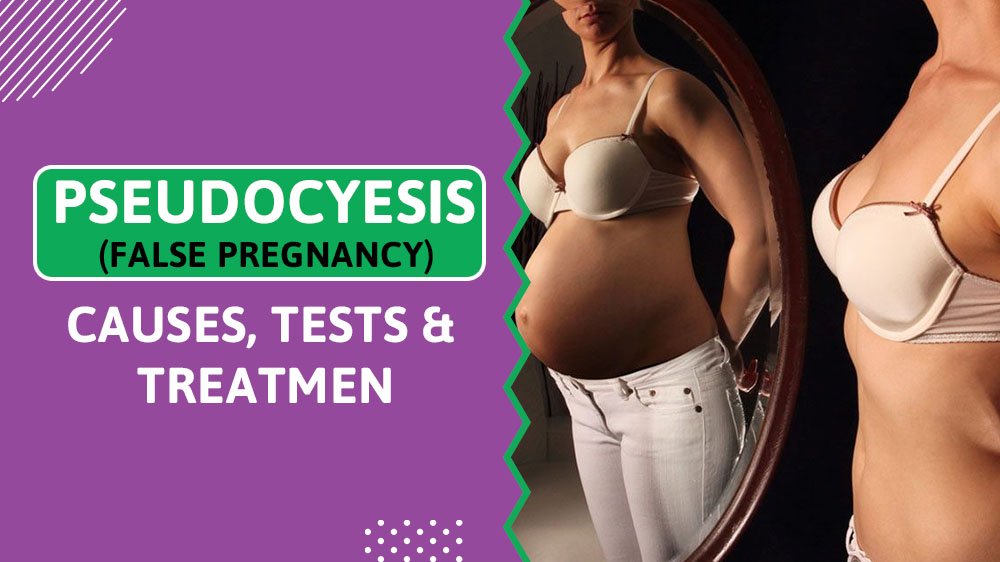
Pseudocyesis, or the medical term for false pregnancy, is a medical condition which includes a person thinking they are pregnant, and even showing symptoms of pregnancy, and not having a fetus.
This condition also has other names including, phantom pregnancy, hysterical pregnancy, and sometimes ghost pregnancy. These names may be different, but they all explain the same thing which is where the body mimics the symptoms of pregnancy even when there isn't a pregnancy.
It should be noted that pseudocyesis is not imaginary or made up. The symptoms are real, and arise from the complexity of the body and mind working together.
What Causes Pseudocyesis?
The cause of pseudocyesis isn’t always clear, although it is linked to a mix of psychological and hormonal reasons.
Emotional and Psychological Reasons
A strong wish to become pregnant can be a reason, particularly for women struggling with infertility or losing a baby. In some instances, a strong wish to not be pregnant may also cause the condition.
Hormonal Changes
The emotional and stress-related factors of pseudocyesis can cause a missed period, changes in the breast or other pregnancy-like symptoms.
Mind over Matter
The brain can cause certain things in the body. If a person believes they are pregnant, this could cause some hormonal changes.
Though false pregnancies can be a little easier to comprehend. It is a complicated condition, and those experiencing it require enough compassion and holistic approach.
Symptoms of False Pregnancy
Some of the symptoms of pseudocyesis that women experience are the same as those in actual pregnancies; these include:
- Absent periods
- Stomach swelling
- Changes in or tenderness of the breasts
- Nausea or vomiting
- Weight gain
- Feeling like there are movements of a baby
The symptoms are very real-doing a phantom pregnancy is very emotionally difficult to deal with because of how real the symptoms feel.
How Is Pseudocyesis Diagnosed?
A diagnosis for pseudocyesis includes determining that no pregnancy is present and at the same time recognizing the symptoms the individual displays.
Pregnancy Tests
Negative results can be found in the urine or blood samples of an individual.
Ultrasound Scan
The ultrasound will confirm the presence of no fetus inside the uterus, allowing differentiation between pseudopregnancy and true pregnancy.
Evaluation
Physiological and psychological evaluations must be conducted to find out the cause behind the condition.
Difference Between Real Pregnancy and False Pregnancy
Distinguishing between a true pregnancy and pseudocyesis is critical:
True Pregnancy
- Confirms the presence of a positive test for pregnancy
- Shows the growth of the fetus through ultrasound
- Displays hormonal changes consistent with pregnancy
False Pregnancy (Pseudocyesis)
- Tests negative for pregnancy
- Shows no fetus during ultrasound imaging
- Displays symptoms of pregnancy without the presence of a pregnancy
The sensations felt may be similar, but it is easily distinguishable through medical testing.
Treatment for Pseudocyesis
Pseudocyesis is something that needs to be dealt with in an empathic manner considering the emotional and physical effects of the problem.
Emotional Counseling
It will play a significant role in assisting patients cope with what happened to them.
Medical Counsel
Health professionals can also take steps in educating patients about their condition.
Hormonal Therapy
In some instances, patients may need to undergo therapy as part of the treatment for their condition.
Family Counseling
It will serve as emotional support for patients to recover from this hysterical condition.
Emotional healing should always be the primary goal aside from treating the problem itself.
When Should You See a Doctor?
It is advisable to consult a physician if:
- You are experiencing pregnancy symptoms, but testing proves negative
- There is continued psychological disturbance
- The symptoms continue, yet there is no apparent reason for them
Early consultation will help identify the cause and receive appropriate care.
How SCI IVF Can Help
Managing ailments such as pseudocyesis needs more than just knowledge and skills in the field; it needs empathy and compassion. Patients at SCI IVF Hospital get the full package when it comes to reproductive care; not only are their physical symptoms managed, but their emotional well-being is also considered.
With competent specialists on board, state-of-the-art diagnostic equipment, and one-on-one consultation, patients at SCI IVF Hospital can be assured that they will get proper diagnosis and guidance, no matter what they need help with – whether for conceiving or managing difficult ailments.
Conclusion
Pseudocyesis, or false pregnancy, is a real and complex condition that can deeply affect both physical and emotional well-being. While the symptoms may closely resemble an actual pregnancy, proper medical evaluation is essential to understand the underlying cause.
Recognizing that conditions like phantom pregnancy or ghost pregnancy are not uncommon helps reduce stigma and encourages individuals to seek help without hesitation. If you or someone you know is experiencing such symptoms, consulting a specialist is the most important step.
At SCI IVF Hospital, recognized as one of the best IVF Center in India, you can access expert guidance, compassionate care, and personalized support to help you navigate your reproductive health journey with confidence.