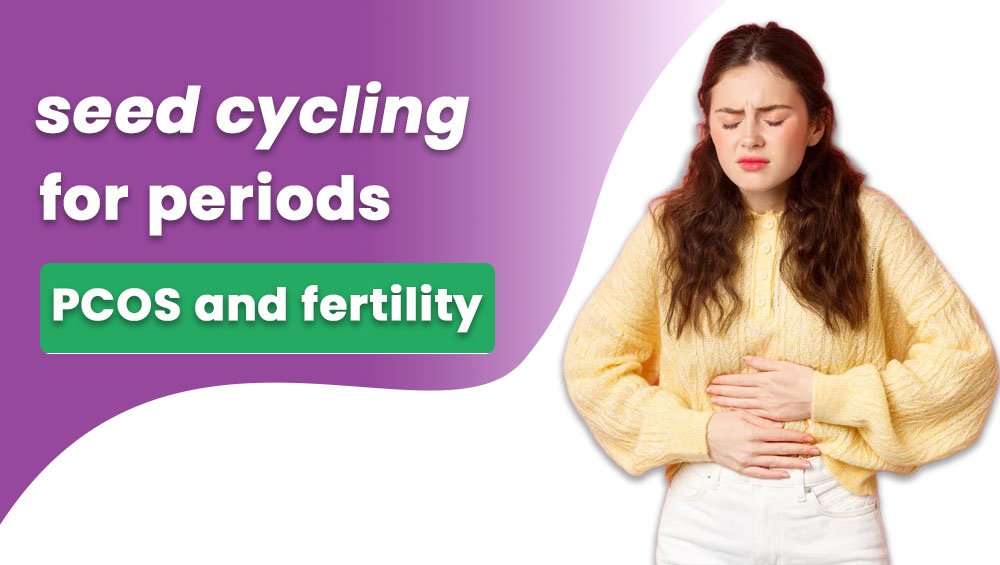
Seed Cycling for Periods, PCOS, and Fertility
Problems such as PCOS, delayed cycles and unexplained infertility often encourage women to seek out natural methods to maintain hormonal health in conjunction with medical care. Hormonal imbalance, trouble getting pregnant, and irregular periods are worries that many women face today.
One such option that is getting popular is seed cycling, A new approach gaining popularity is called seed cycling. It's simple and involves eating different seeds at different stages of the menstrual cycle to help maintain balance.
This blog will outline what seed cycling is, how it works and its benefits on periods, PCOS, and fertility, how to do it and the importance of medical attention when necessary.
What Is Seed Cycling?
Eating seeds during specific times within your menstrual cycle is known as seed cycling. It is based on the use of natural nutrition methods to help your body with the natural hormonal changes. Each type of seed is thought to contain different nutrients that help the body during the different phases of your cycle.
The four seeds involved in seed cycling include flax, pumpkin, sesame and sunflower seeds. In seed cycling, these seeds are thought to help in the body’s production of the two most important hormones, Estrogen and Progesterone. These hormones are key in the regulation of menstrual cycles and overall reproductive health.
How does seed cycling work?
The menstrual cycle's follicular and luteal phases are the two main parts of the cycle. These two parts of the cycle seed cycling align the intake of seeds to support the body’s hormonal needs.
The nutritional balance for the first half of the cycle aims to support the body’s progesterone levels, while for the second half the body should be supported by estrogen. This method of seed cycling contrary to most other practices, aims to support the natural body rhythms.
Seed Cycling Phases Explained
Follicular Phase (Day 1 to Day 14)
This part begins on the actual first day of the period and goes until the ovulation begins. The hormone levels are slowly rising to prepare for the release of the egg which is the main job during this phase. Flax seeds and pumpkin seeds are usually in the diet during this phase because of their dietary benefits. The fiber, omega-3 fatty acids along with the zinc will support the estrogen levels and will help with healthy ovulation.
Luteal Phase (Day 15 to Day 28)
After the ovulation, the luteal phase begins and lasts until the next period starts. The level of the hormone is the highest for progesterone. Sunflower seeds and sesame seeds help to stabilize the cycle and support the levels of progesterone because of the vitamin E and healthy fats along with the selenium that help support the nutrients.
What Are the Benefits of Seed Cycling?
Regulating Menstrual Cycles:
Through the promotion of hormonal balance, seed cycling could help ease irregular periods, breaking the frustration and discomfort often experienced with menstrual irregularities.
Alleviating PCOS Symptoms:
Seed cycling can help women with Polycystic Ovary Syndrome (PCOS) manage their weight and reduce symptoms like hirsutism and irregular menstrual cycles.
Improving Fertility:
By balancing hormone levels and creating a healthy uterine environment, seed cycling can enhance the fertility success of women who are trying to conceive.
Alleviating Menstrual Discomfort:
The anti-inflammatory action of some seeds might reduce menstrual cramps, bloating, and other discomforts during the menstrual cycle.
Maintaining Overall Hormonal Balance:
Seed cycling can maintain hormonal balance, which can benefit different areas of a woman’s life, such as mood, energy levels, and skin health.
Helpful Seed Cycling Information for Periods
Regulated, less painful, and even more predictable periods may all be potential benefits from Seed Cycling! Other women report less extreme symptoms, saying they experience more predictable cycles as well as improved symptoms like water retention, mood changes, and breast swelling.
There are mixed results, and benefits can take months, so don’t be discouraged if you don’t notice a difference... consistency is the key.
Seed Cycling and PCOS
With the right medical care and lifestyle changes, Seed Cycling may be helpful to women as an adjunct therapy for PCOS. Although PCOS does not involve irregular ovulation or insulin resistance, indeed, Seed Cycling does not claim to treat PCOS, because PCOS is also not a hormonal imbalance.
Because the fibrous tissue and healthy oils in the seeds possibly help with better insulin response and lower inflammation, both of which are beneficial for managing symptoms of PCOS, women with PCOS should not rely on Seed Cycling. PCOS requires medical treatment and Seed Cycling should not be taken really.
Seed Cycling and Fertility
Getting your hormones in check is important for ovulation and the chances of getting pregnant. Seed cycling could help with ovulation by balancing estrogen and progesterone. This is especially helpful for women trying to become pregnant or getting ready to do some fertility treatments.
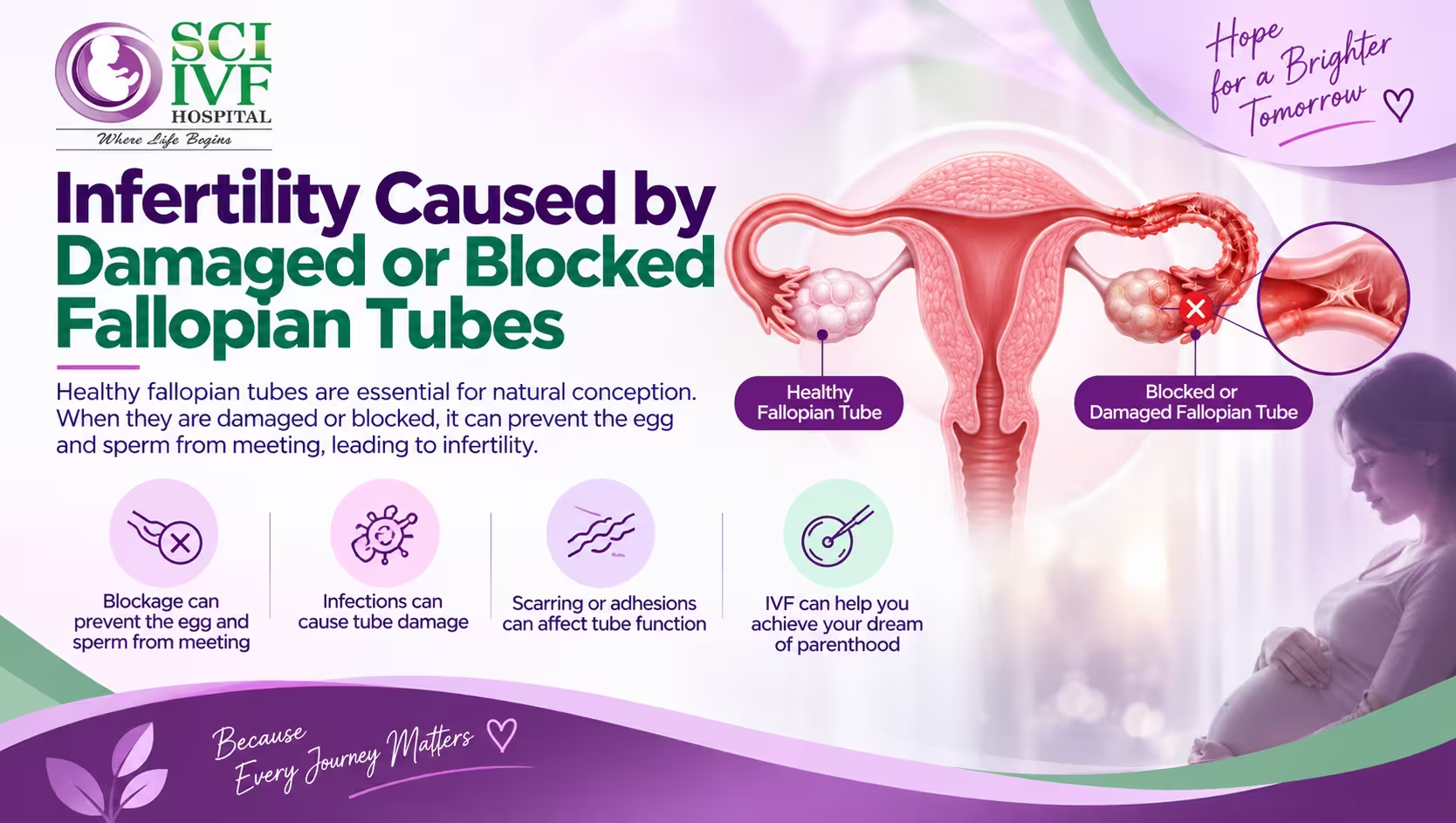
Even though seed cycling can help, there are a lot of reasons why women can’t get pregnant, and some need a doctor to look at them. Getting referred to fertility specialists to see if there is a problem with ovulation, the fallopian tubes, or male factor infertility.
Is Seed Cycling Safe for Everyone
Seed cycling appears to be safe for most women, as long as certain restrictions are followed. However, if you have an allergy to seeds, as well as abdominal problems or certain other medical problems, it is advisable to see your physician and get cleared before you start the seed cycling.
If you are pregnant or are involved in any method of fertility treatments, you should also consult a doctor so you can take any seed cycling measures that are safe with your dietary restrictions, if any.
When Should You See a Doctor?
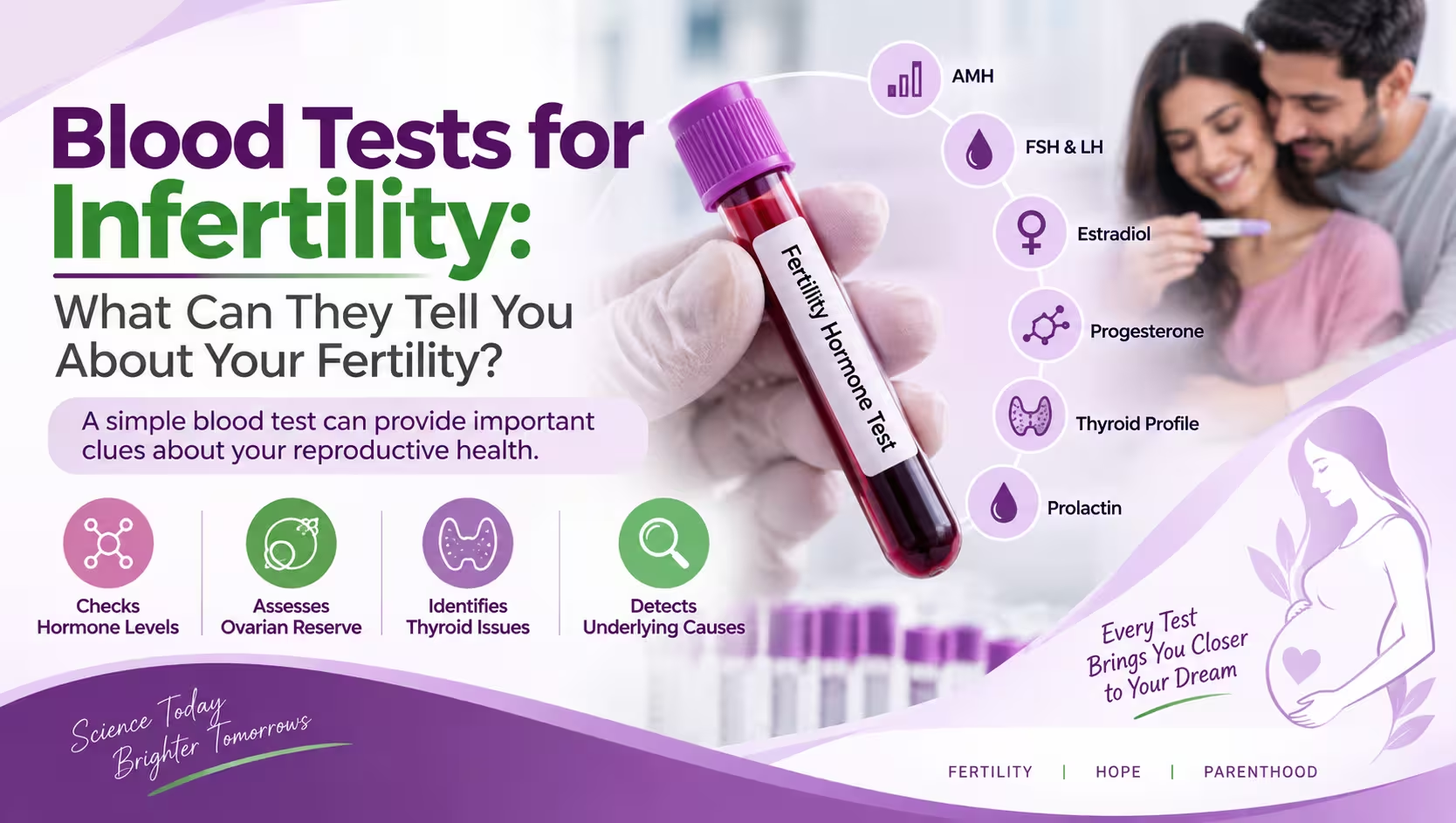
Even though there are more natural ways to help your hormone health, an absence of period for a long time, and painful or still irregular periods, are reasons to go and see a doctor. If you've been trying to conceive for a few months and it has not been successful, you need to get a fertility workup.
Things like PCOS, thyroid problems, or endometriosis are things you need a doctor for to diagnose and treat. Changing your diet is not enough.
Conclusion
Seed cycling is an easy and natural dietary technique that can prove to be helpful for the balance of hormones, menstruation, and the overall health of the reproductive system. However, a seed cycler is not an alternative to any medical facility.
Being familiar with your own body and maintaining consistencies while timely advice from medical professionals also play an important role in managing issues related to periods, PCOS, and fertility problems for women who are experiencing irregularities while trying to conceive.
SCI IVF Hospital, being one of the best IVF center in India, provides extensive fertility services, diagnostic tests, and individualised treatment plans for women at every stage of their reproductive life.