What is PCOD?
Weight gain, acne, periods that don't come as they should, and trouble getting pregnant are problems that a lot of women have. One reason why these problems are so common is Polycystic ovarian disease. Polycystic ovarian disease (PCOD) may be a reason why a lot of young women are struggling.
PCOD is so common that it can be found in the majority of women's problems. Often, women ignore the problems associated with it, especially when the infertility problem isn't a problem. But the good thing is, with effective treatment and guidance, it is possible to manage PCOD.
In this blog, we will be explaining what PCOD is, its symptoms, its causes, its effect on infertility, and the best treatment options that we have at SCI IVF Hospital.
What is PCOD?
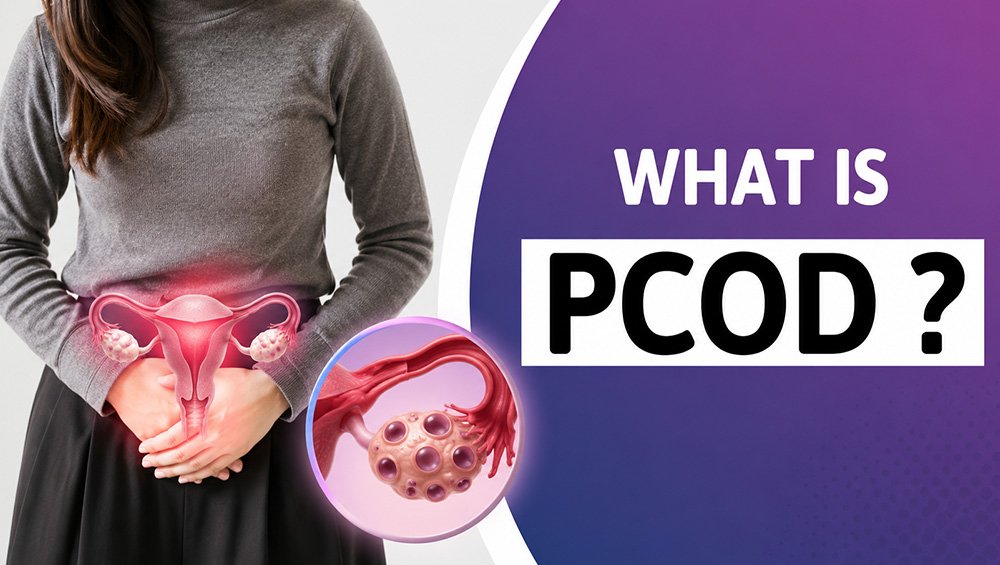
PCOD stands for Polycystic Ovarian Disease. This condition is where a woman’s ovaries make a lot of immature and partially mature eggs. Over time, the eggs make tiny sacs of fluid, which become cysts. This causes bigger ovaries and a hormonal imbalance.
Most of the time, the ovaries give a mature egg during a menstrual cycle. This does not happen in PCOD. The eggs are supposed to mature and are supposed to be released during ovulation. This is what causes irregular menstrual cycles and problems with becoming more fertile.
Androgen is also more prevalent in women with PCOD. This causes more severe cycles, acne, and excessive hair growth. PCOD is more correlated to lifestyle choices and is usually milder than PCOS, which is also frequently confused with PCOD.
Common Symptoms of PCOD
Each woman may notice different symptoms because of PCOD. Some may have very few issues, while others may have many symptoms that impact their quality of life and their ability to have children.
Some symptoms include:
- Unpredictable menstrual cycle
- Menstrual cycle that may be very heavy or extended
- Acne and an increase in oily skin
- Increase in weight, particularly in the abdominal area
- Extra body hair (hirsutism)
- Increase in hair loss or thinning
- Complications conceiving
Know that many of these issues develop in early stages and are often ignored as time progresses. Early diagnoses may be of great benefit.
What Causes PCOD?
The factors that play a role in the onset of PCOD are not specifically understood.
Hormonal Imbalance
Most women who have PCOD have androgens that disrupt the menstrual cycle, causing problems in ovulation.
Insulin Resistance
Insulin is not being used by the body properly causing high levels of insulin in these women. Increased levels of insulin cause harm to androgen production.
Lifestyle Factors
PCOD is highly linked to modern lifestyles that have low amounts of fitness and high levels of stress, combined with nutrition-poor diets and excessive body weight.
Genetic Factors
Women in some families are predisposed to PCOD. It is of high possibility if someone in a woman's family has PCOD.
An understanding of PCOD combined with computer-assisted technology helps us develop flexible plans to suit the needs of the woman in both fertility and hormone restoration at the core.
How PCOD Affects Fertility
The effect of PCOD on women’s fertility is of great concern. When it is difficult to predict ovulation, it subsequently hampers the chance of getting pregnant.
In women suffering from PCOD:
- Ovulation is irregular, or even completely absent
- Menstruation occurs at irregular, or even unpredictable, cycles
- Eggs may not mature properly
Because of all these factors, PCOD hampers the chance of getting pregnant naturally. Luckily, infertility caused by PCOD is the most treatable. Many women are able to conceive after the proper treatment.
At SCI IVF Hospital, our goal is to help women achieve ovulation synchrony, improved egg quality, and a greater chance of getting pregnant.
Can You Get Pregnant with PCOD?
Yes, you can get pregnant with PCOD and this should give every woman with this condition peace of mind.
Many women with PCOD have successful pregnancies after making lifestyle changes, and fertility medications can also improve successful pregnancies with a higher success rate of pregnancies.
Here at SCI IVF Hospital, we customize advanced fertility treatments for your conditions, which can include:
- Ovulation induction to help trigger the release of an egg.
- Cycle monitoring
- IVF (In Vitro Fertilization) since it has higher success rates compared to other treatments
Diagnosis of PCOD
To diagnose PCOD, one of the following options is used: Clinical examination, laboratory examination, or no single investigation is carried out.
Most of the assessment is done through:
- Menstrual history and cycles
- Physical assessment to find the symptoms e.g., acne, abnormal hair.
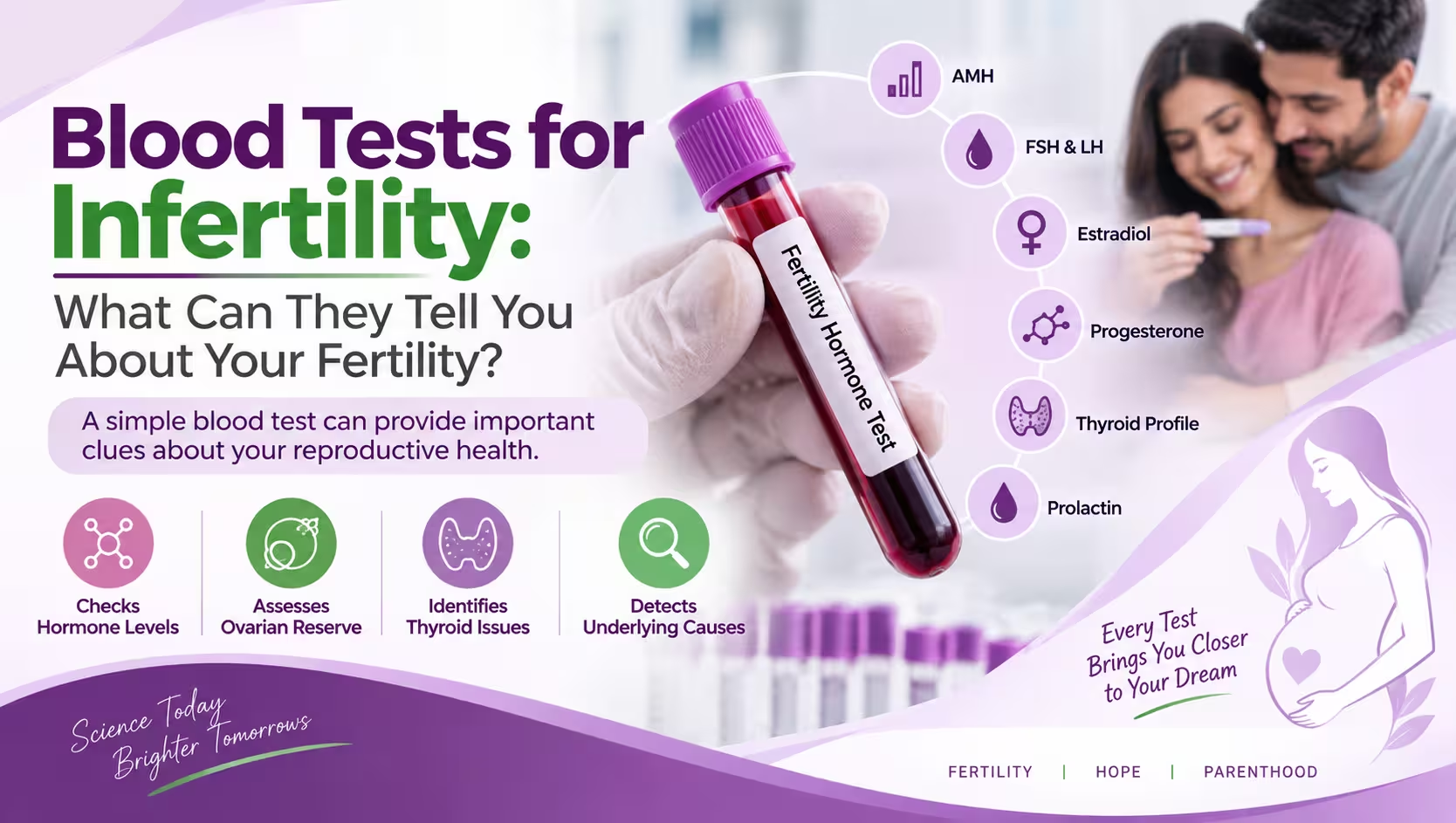
- Hormonal blood tests.
- Ultrasound for detecting cysts in the ovaries
Diagnosis is done to treat effectively, to make sure the treatment given is accurate. At SCI IVF Hospital, every patient is assessed in totality with a comprehensive approach before the treatment plan is recommended.
Treatment Options for PCOD
PCOD treatment targets symptoms, busting, hormonal balance, and fertility improvements.
Lifestyle Management
Lifestyle changes are the first and most important step in managing PCOD.
- Balanced diet
- Regular physical activity
- Weight management
A small weight loss of 5–10% can lead to improved ovulation and regular menstrual cycles.
Medical Treatment
Doctors may prescribe medications to:
- Regulate menstrual cycles
- Reduce androgen levels
- Improve insulin sensitivity
Fertility Treatments
Fertility treatment helps:
- Ovulation induction
- IUI (Intrauterine Insemination)
- IVF for advanced cases
At SCI IVF Hospital, we focus on the customization of comfort and safety of the patient in treatment formulations. We aim for improvement on all fronts.
When Should You See a Fertility Specialist?
Contacting a fertility specialist is a good idea if you notice:
- Periods that are irregular or that you don't get at all
- Trying for months and are still unable to get pregnant
- Acne or hair growth that is abnormal or that you suspect to be hormonally triggered
- Weight gain that doesn't seem to have a reason that you can figure out
Come meet our specialists at SCI IVF Hospital and see that we can provide you with the best compassionate and advanced care to help you explore your future in parenthood.
Conclusion
PCOD is when reproductive health is negatively impacted by a hormonal imbalance. If your menstrual cycle and/or fertility have been disrupted, we can help. We have the resources and knowledge of reproductive PCOD health, so that we can better support your fertility journey.
Many women diagnosed with PCOD have later achieved successful pregnancies with the right treatment and guidance. If you are experiencing PCOD symptoms, it is important not to ignore them and seek expert fertility care at the right time.
SCI IVF Hospital, a trusted fertility center in India, provides advanced fertility treatments, personalized care, and compassionate support to help couples achieve their dream of parenthood.