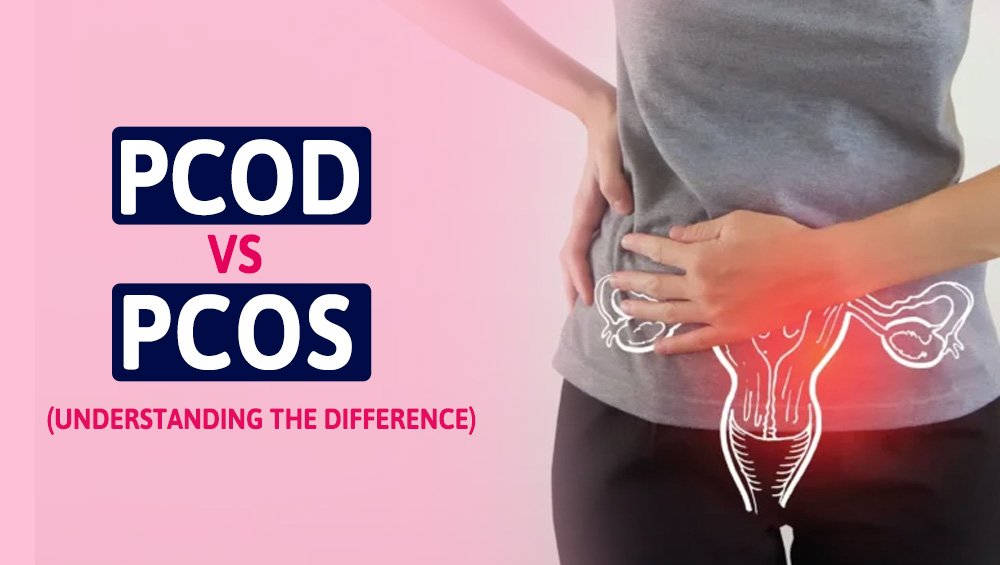
PCOD vs PCOS: Understanding the Key Differences
Plenty of women think PCOD and PCOS mean the same thing, but understanding the difference between PCOD and PCOS is important for fertility and long-term health. But are they? It's no surprise there's some confusion caused by how both of these affect things like ovaries, hormones, periods, and how fertile you are. But there are some notable differences between the two.
It’s important to know the difference between PCOD and Polycystic Ovary Syndrome (also known as PCOS) because how severe, what effect it can have on your health in the long run, and how it’s treated can be really different. If there is an early detection of it and the right help is given, it can do a lot.
In this blog, PCOD and PCOS will be broken down, along with the symptoms they can bring, what can cause them, and how they affect you and your reproductive health.
What is PCOD?
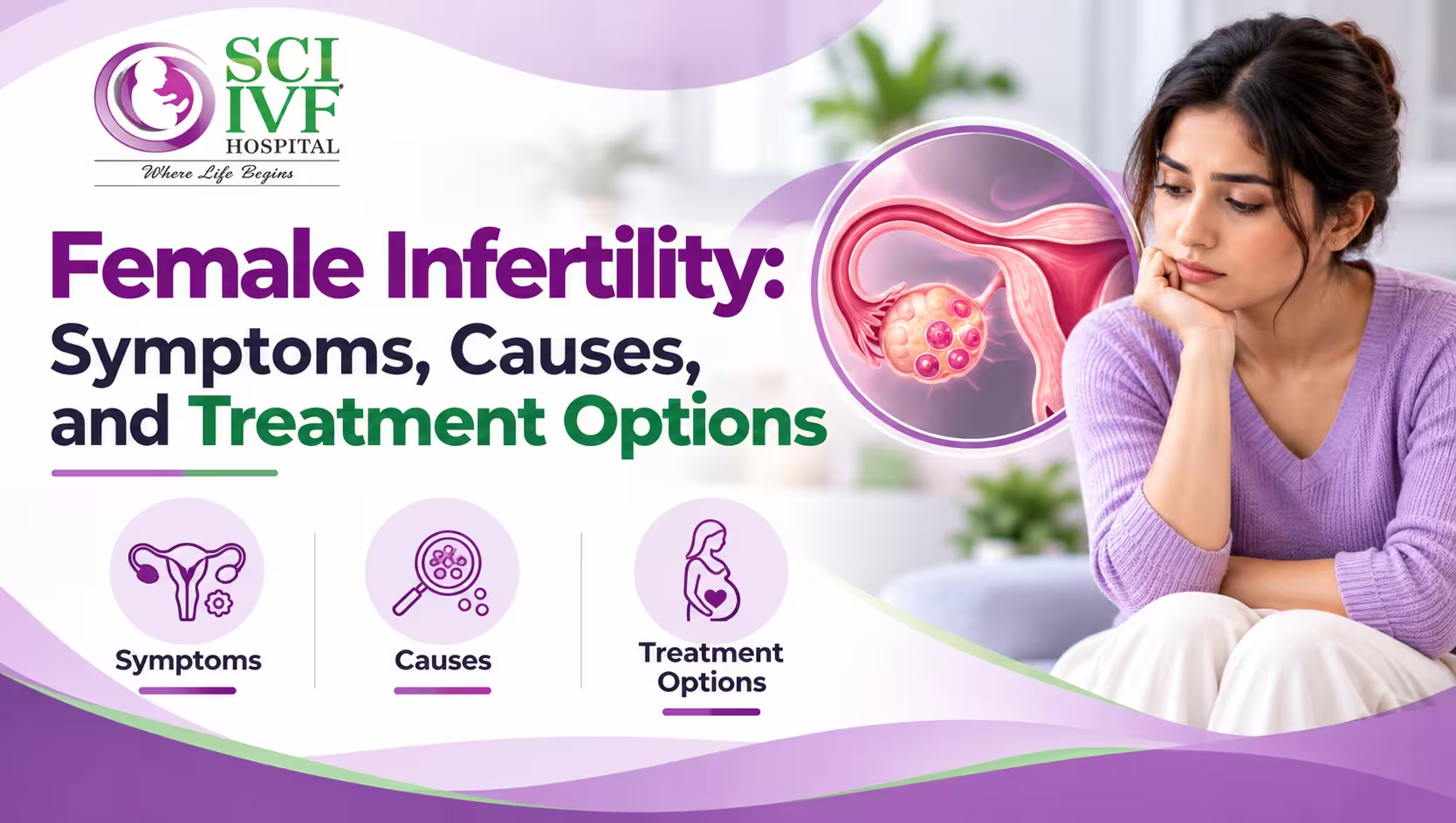
Polycystic Ovarian Disease refers to a condition in which multiple underdeveloped eggs form in a woman’s ovaries. As time goes on, immature follicles may remain in the ovaries and appear as small cysts.
PCOD is generally thought to be a combination of a few lifestyle and hormonal conditions. Not eating properly, insufficient exercise, high stress, obesity, and imbalanced hormones are a few of the main causes of PCOD.
For some patients, women with PCOD continue to ovulate which allows the possibility of natural pregnancy.

What is PCOS?
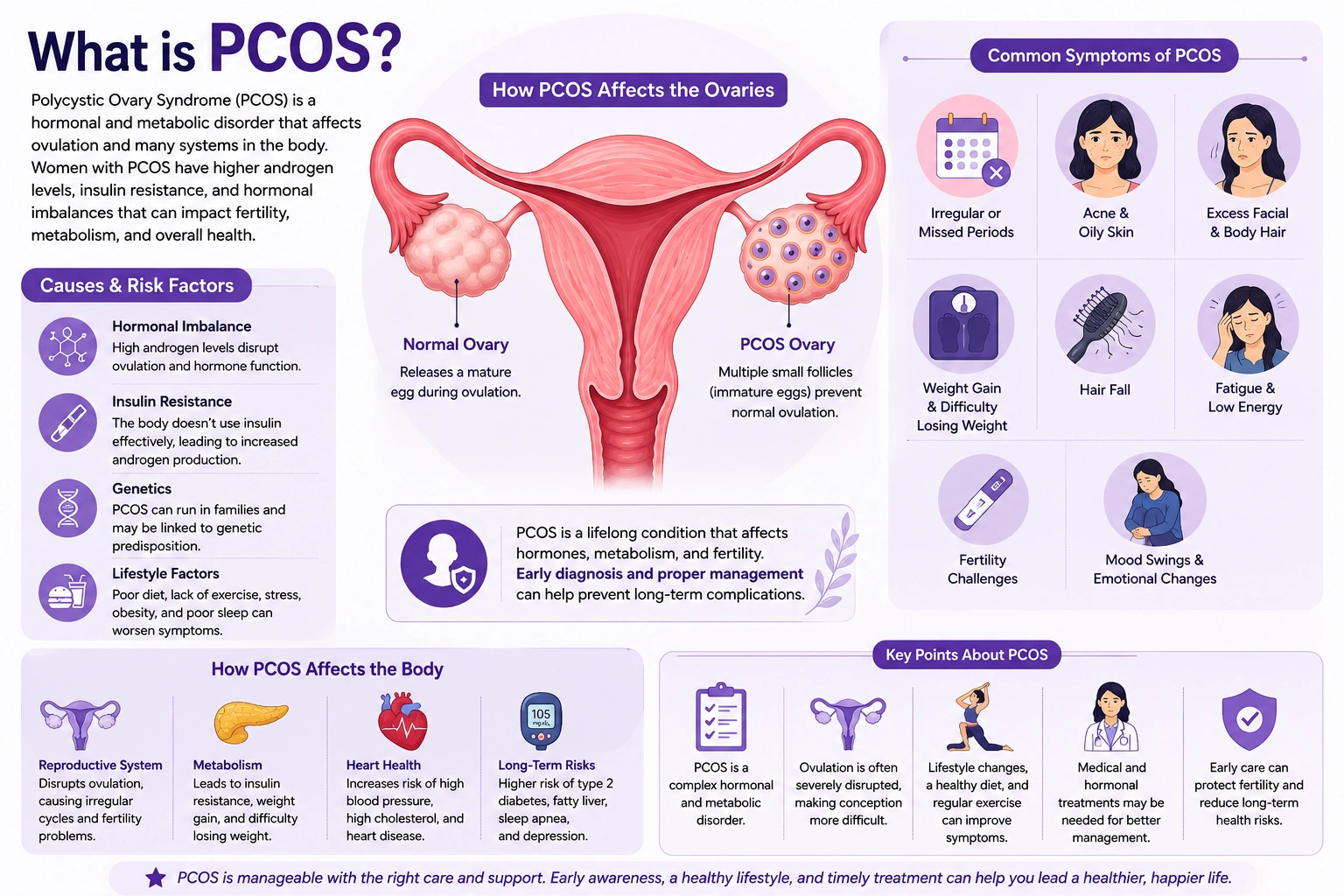
Compared with PCOD, PCOS is generally considered a more complex hormonal and metabolic condition that can significantly disrupt ovulation. Women with PCOS often have higher androgen levels, which further disrupts the normal functioning of the ovaries. It is referred to as a syndrome because it affects multiple parts of the body, such as metabolism, hormones, and fertility.
The problems faced by women with PCOS are really tough and cause many other problems, such as infertility, insulin resistance and diabetes. It hinders ovulation and makes conception difficult.
PCOD vs PCOS: Key Differences
Understanding the difference between PCOS and PCOD can help women choose the right treatment and fertility care at the right time.
This clear comparison helps explain the pcod and pcos difference and why early diagnosis is important for protecting fertility and long-term reproductive health.

PCOD vs PCOS Symptoms: Common Signs to Watch For
Symptoms for both PCOD and PCOS appear similar; this is why there is so much confusion among many females regarding the two disorders. Yet symptoms are generally more severe in PCOS patients.
The most common symptoms are:
- Absent or irregular periods
- Obesity
- Pimples and oiliness of the skin
- Presence of excessive body and facial hair
- Hair fall
- Fertility problems
- Emotional disturbances and exhaustion
While some people only have minor symptoms, others might be struggling due to hormonal imbalances or fertility issues.
How PCOD & PCOS Affect Fertility?
Both PCOD and PCOS can impact someone’s ability to become pregnant as they both affect the proper process of ovulation. For PCOD, the chances of becoming pregnant are still possible if a woman is willing to change certain things and is open to natural pregnancy alternatives. For PCOS, it’s much more difficult, as insulin issues complicate the ovulation issues, and other things can alter it further.
This is where SCI IVF Hospital comes in, as they are invested in the treatment of PCOS as much as they are invested in PCOD. What makes SCI IVF stand out as a treatment option is its ability to diagnose and, most importantly, create a plan of care that is solely individualized to your situation.
Several of the treatment options available to you are:
- lifestyle changes
- The use of hormones in an altered way
- The use of IVF
When considering your odds of becoming pregnant, early care is important for a number of reasons.
PCOS Causes and PCOD Risk Factors
Though the specific causes of PCOD and PCOS are not always known, there are some common factors of the two conditions.
Hormonal Imbalance
The reproductive hormones can shift and disrupt the menstrual cycle and ovulation.
Insulin Resistance
Insulin resistance is present in most women with PCOS, and in some cases of women with PCOD. This can increase androgen levels and amplify symptoms.
Genetics
If there is a history in the family of developing hormonal disorders, the chances may increase for the development of PCOD and/or PCOS.
Lifestyle Factors
There may be an increase in symptoms of hormonal imbalance with a poor diet, little to no exercise, poor weight, a lot of stress, and poor sleep hygiene.
If controlling these factors early on, the symptoms can be managed while also preserving the reproductive organs for the long run.
When Should You Consult a Fertility Specialist?
You might want to consider seeing a fertility specialist when you have:
- Irregular or missed periods
- Trouble getting pregnant
- More acne or facial hair than normal
- Unexplained weight gain
- Hormonal changes that happen repeatedly
- Been trying to get pregnant but unable to naturally
- Symptoms that should be treated as a priority should not be left to neglect, as they can worsen your ability to conceive later on, but also impact your overall well-being.
Conclusion
Most people think PCOD and PCOS are the same thing, but they really are different. PCOD is a much milder yet hormonal disorder. PCOS is more complicated than PCOD because it has more of an impact on the metabolic system and the reproductive system. Differentiating between PCOD and PCOS will allow the patient to be diagnosed and treated correctly for the improvement of their fertility.
If you have irregular periods, some type of hormonal imbalance, and/or you have trouble/conceiving, you need to come to the fertility doctors at SCI IVF. The doctors will use the latest diagnostic technology, offer you personalized service, and help you manage PCOD and/or PCOS so you can have a productive, healthy reproductive future.
FAQs About PCOD vs PCOS
1. Which is more serious — PCOD or PCOS?
Ans. PCOS presents a higher threat to health because it disrupts hormonal balance and metabolic functions and ovulation processes in a more extensive manner than PCOD does.
2. Can PCOD turn into PCOS later?
Ans. The two conditions of PCOD and PCOS exist as different medical disorders that become more severe when people disregard their symptoms, maintain unhealthy habits and experience hormonal disruptions.
3. Is pregnancy possible with both PCOD and PCOS?
Ans. Yes. Many women with PCOD or PCOS achieve pregnancy through natural conception methods or fertility treatments which depend on their specific medical condition and their ability to ovulate.
4. Why do people get confused between PCOD and PCOS?
Ans. Most people believe both conditions represent the same medical disorder because patients show identical symptoms which include irregular periods, weight gain, acne and fertility problems.
5. Should irregular periods always be checked by a doctor?
Ans. Yes. Women who have frequent missed periods or irregular periods should receive medical evaluation because these conditions indicate a hormonal imbalance which must be investigated before they become pregnant.