How Many IVF Cycles Does It Take to Get Pregnant?
Most people need 2 to 3 IVF cycles to achieve a live birth, though some succeed on their first attempt and others need more. Because each cycle builds your cumulative chances of pregnancy, success rates are often tracked across multiple attempts rather than just one.
How Many IVF Cycles Does It Usually Take to Get Pregnant?
Couples might conceive through one to three IVF cycles; however, the figure changes from one couple to another based on their infertility situation.
Cumulative IVF success rate indicates the probability of conceiving or having a live birth through several efforts. The rate could be increased by conducting more cycles; however, every patient differs from each other.
Female age, ovarian reserve, egg and sperm quality, and embryo growth affect the IVF success rate. You could get an idea of your chances with the assistance of a fertility specialist.
What Counts as One IVF Cycle?
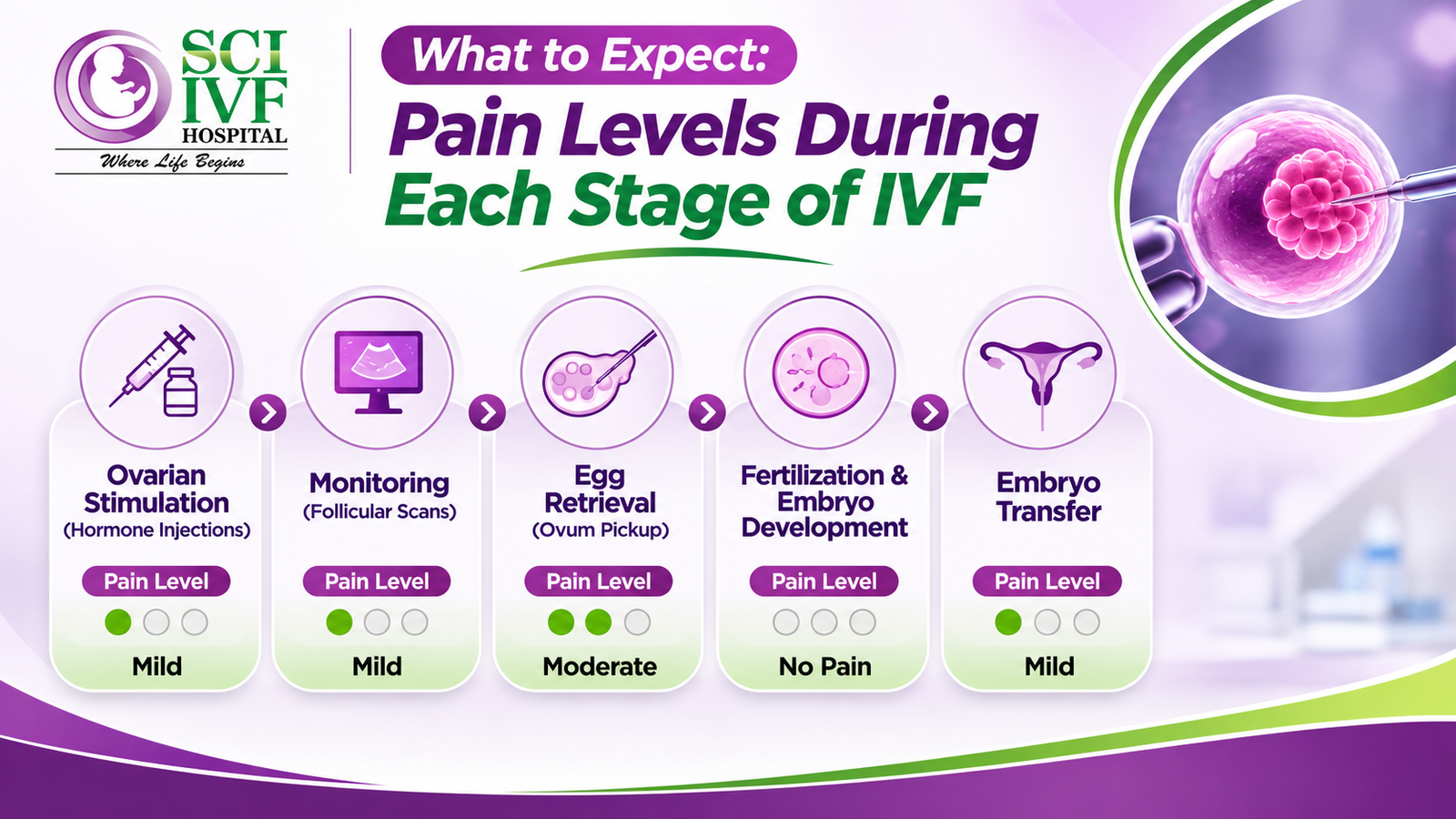
The steps usually involved in one IVF cycle include the following:
- Ovarian stimulation: Drugs are used to stimulate egg production by the ovaries.
- Monitoring: Ultrasound scans and blood tests are done to monitor the growth of follicles.
- Egg collection: Eggs are collected from the ovaries.
- Fertilisation: The eggs are fertilised using sperm in the lab.
- Embryo development: Fertilized eggs are monitored for their development.
- Embryo transfer: An embryo is transferred into the uterus, whether through fresh or frozen transfers.
- Pregnancy testing: A blood test is done to confirm pregnancy.
A FET can be done at a later date without having to repeat the entire process of egg retrieval.
Factors That Affect the Number of IVF Cycles Needed
Each couple will have a different experience with fertility treatments. The following are the factors that could affect how many cycles will be necessary.
Female age
Age is among the top factors affecting fertility success rates. With age, women lose egg quantity and quality, and this influences fertilisation and the formation of embryos.
Egg Quality and Ovarian Reserve
Quality eggs are crucial in the fertilisation process and embryo development. Some tests can evaluate whether the ovaries have enough reserve and respond to stimulation but cannot evaluate egg quality.
Sperm Quality
Sperm motility, concentration and morphology can affect the process of fertilisation. The fertility specialist will recommend certain methods depending on the situation like ICSI.
Embryo Quality
Not all fertilised eggs develop into embryos good enough for transfer. The development and quality of embryos may influence the probability of implantation.
Health of the uterus and infertility issues
Fibroids, endometrial polyps, endometriosis, PCOS and other problems with reproduction may affect the result of fertility treatments.
How Does IVF Success Rate Change With Age?
In vitro fertilization success rates tend to decrease with increasing maternal age, especially when utilizing one’s own eggs. The younger the woman, the greater the success rate because the eggs are of higher quality.
If the woman is older than 40, then the chances can be reduced, and the specialist may consider offering donor egg IVF.
Success rates also depend on what type of criteria the clinic uses to calculate them – pregnancy tests, clinical pregnancies or live births. It is better to discuss personal chances, not just statistics.
Cumulative IVF Live Birth Chances by Age
What Will Happen in Case of a Failed First Cycle of IVF?
A failed first IVF cycle does not imply future failure. The results provide information to the specialist about how the body reacted to the treatment.
The number of eggs harvested, fertilization, embryo quality, and embryo transfer results will be evaluated by the doctor. Depending on the results, the medication or stimulation program may be changed.
Another embryo transfer can be done if there are frozen embryos without going through the whole IVF process again.
How Can You Increase Your Chance of Success During the Next IVF Cycle?
There are no lifestyle changes that will guarantee the success of IVF, but healthy behaviors may be beneficial for your reproductive system.
- Take medications and follow the monitoring program as advised by your doctor.
- Have a healthy diet.
- Keep your weight within normal limits.
- Do not smoke and take recreational drugs.
- Restrict the use of alcohol.
- Treat health problems according to the advice of your physician.
- Discuss your experience of the previous cycle with the fertility specialist.
Never use fertility supplements or other treatments without your doctor’s consent.
When Should You Go for a Review of Your IVF Treatment Plan?
In case the procedure has been unsuccessful, particularly in more than one cycle, you should talk to your specialist about revising your IVF treatment plan. The specialist may decide to review ovarian response, embryo development, sperm health and uterine health.
Depending on the results, further tests may be required, or a revision of the treatment protocol may be considered necessary. It depends on the medical circumstances of an individual and the possibilities of successful conception.
Conclusion
There is no fixed number of IVF cycles required for conception. Some get pregnant in just one cycle while others need several cycles according to their age, quality of sperm and eggs, embryo development, etc. Failure of one IVF cycle does not mean the failure of subsequent cycles.
Evaluation of previous experience will help the specialists make a treatment plan for the next attempt. At SCI IVF Hospital, the best fertility & IVF centre in India, couples can take advantage of fertility consultation services.
Frequently Asked Questions
1. Will I conceive in my first IVF cycle?
Yes. Some couples do conceive in their first IVF cycle, but it is highly dependent on the patient’s age, egg quality, sperm quality, etc.
2. Is the success rate higher in the second IVF cycle than in the first one?
Not necessarily; however, the first cycle provides very important information that can be utilized in the following protocol.
3. How long should I wait before my next IVF cycle?
It depends on the patient’s recovery and general medical condition and can be provided by your fertility specialist.
4. Does an unsuccessful IVF cycle mean that I cannot conceive?
No, there are cases where couples conceive using different protocols. The reasons for an unsuccessful cycle need to be identified and analyzed.
5. When should I change my treatment protocol in IVF?
If IVF cycles are repeatedly unsuccessful, the fertility specialist may recommend changing the treatment strategy based on the patient’s previous results.