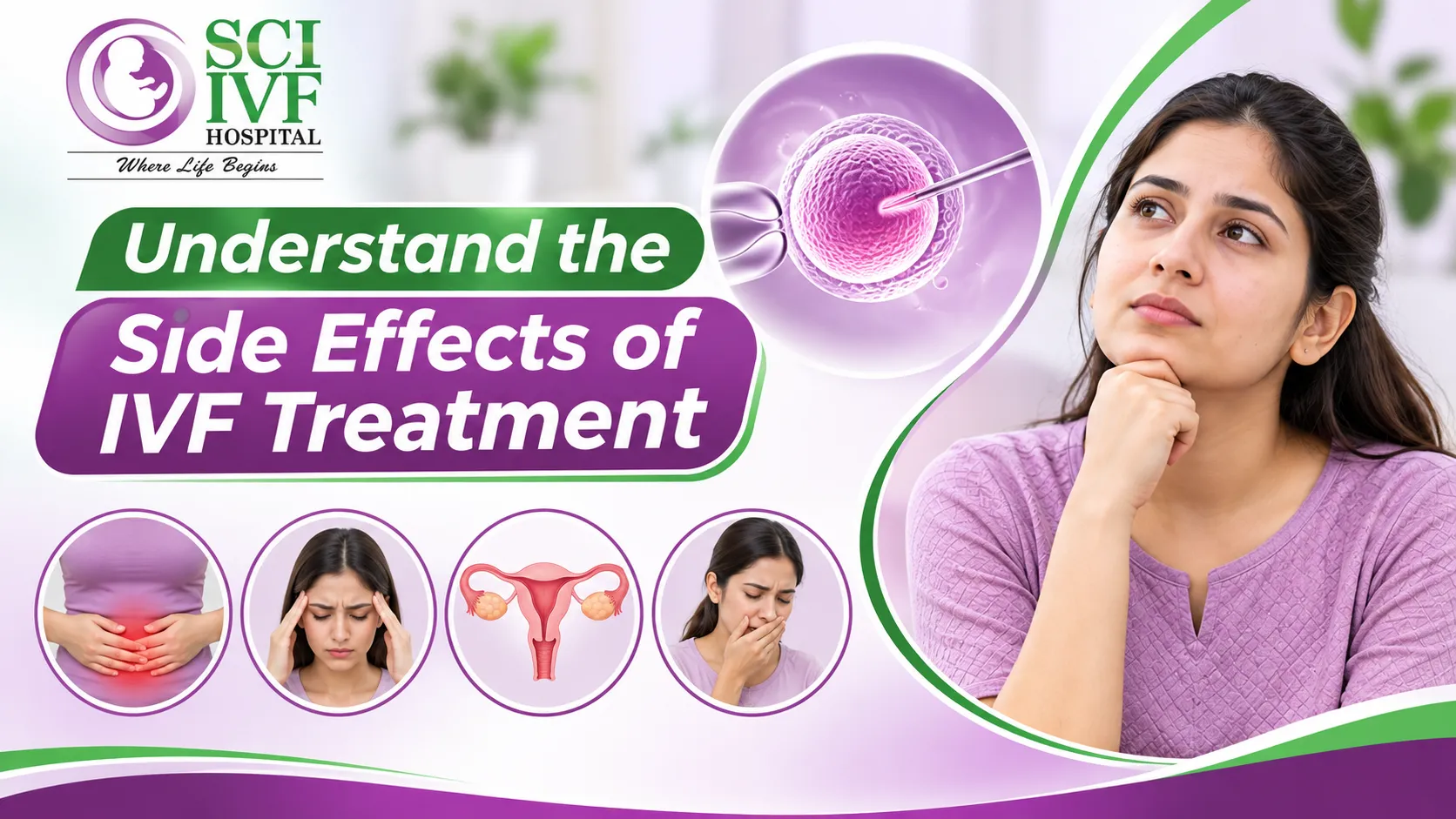
Understand the Side Effects of IVF Treatment
In vitro fertilization (IVF) commonly causes mild, temporary physical and emotional side effects from hormone medications and procedures, alongside rarer but more serious risks such as ovarian hyperstimulation syndrome (OHSS) and multiple pregnancies.
What Are the Common Side Effects of IVF?
IVF is an infertility treatment where eggs are retrieved from ovaries, fertilized by sperm in the laboratory and then placed in the womb. The IVF procedure requires the use of fertility drugs as well as certain procedures that bring about temporary physical and emotional symptoms.
The following are the typical side effects associated with IVF:
- Bloating: The use of hormonal drugs can result in bloating.
- Breast Tenderness: Fluctuations in hormones affect the tenderness of breasts.
- Headaches: Fluctuations in hormones lead to headaches.
- Mood Swings: The change in hormone levels brings about mood swings.
- Fatigue: Women may become tired during the treatment.
- Mild Cramping: There is usually abdominal cramping after certain procedures.
- Nausea: Nausea results from fertility drugs used in the treatment.
These symptoms usually subside.
IVF Injection Side Effects
IVF involves the use of injections for the stimulation of the ovaries for the production of several mature eggs. Even though fertility medications are vital in ensuring a successful procedure, they have certain reactions that come along with them.
Some side effects associated with fertility injections include:
1. Injection Site Reactions
Some women may encounter pain, redness, itchiness, swelling or even bruising at the place of injection. Such reactions will usually resolve on their own.
2. Bloating of the Abdomen
The enlargement of the ovaries due to hormonal stimulation as egg formation takes place results in abdominal bloating or discomfort in the pelvis.
3. Breast Sensitivity
Due to hormone changes in the process of stimulation of the ovaries, a woman's breasts will swell up and be more sensitive.
4. Mood Changes
The changes in the levels of the reproductive hormones result in irritability, mood swings or anxiety.
5. Headaches and Nausea
These are among other side effects that may arise from some fertility medications.
6. Fatigue
Some women experience fatigue or lack of energy due to hormonal changes and other stress factors during this process.
Side Effects During Different Stages of IVF
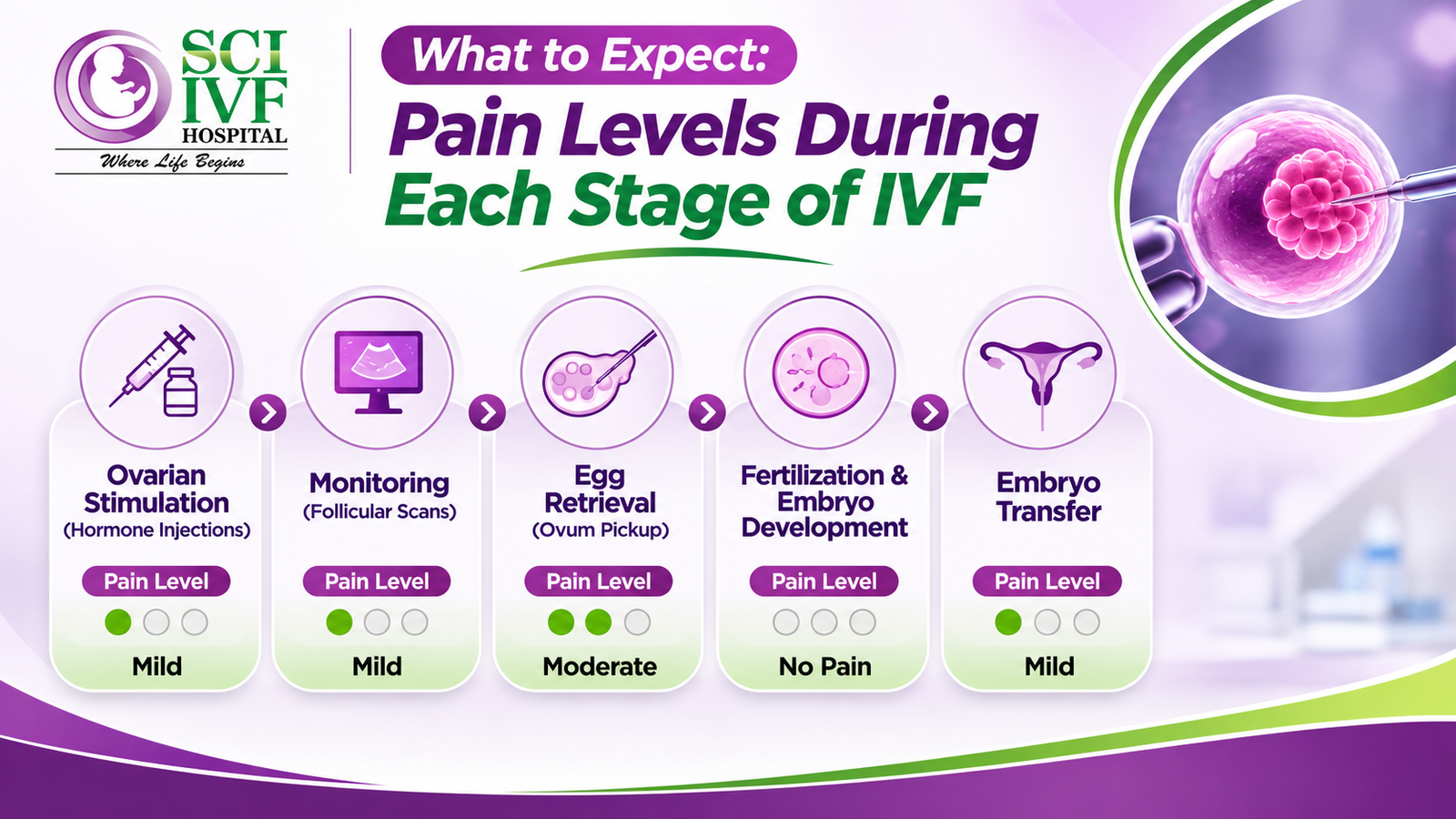
There may be various physical changes associated with each stage of the IVF process. Such knowledge could allow the patient to be prepared for certain changes that occur.
1. In the Ovarian Stimulation Stage
Medications used during the process trigger the ovaries to release several eggs. This stage is usually accompanied by:
- Abdominal bloating and pelvic heaviness.
- Tender breasts.
- Mood swings and headaches.
- Some abdominal discomfort.
These effects are normally caused by hormones and the ovaries enlarging.
2. Following Egg Retrieval
The egg collection procedure is done through a thin needle inserted through the vaginal wall and guided with an ultrasound. This procedure is normally done under sedation or anesthesia.
Women can experience minor abdominal cramps, light vaginal bleeding, bloating, and some pelvic pain. Such symptoms usually go away after a few days.
Possible complications include infection and vaginal bleeding.
3. After Embryo Transfer
In this procedure, the chosen embryo is transferred into the uterus through a thin tube. Normally, this procedure is well-tolerated.
Some of the possible symptoms after the transfer include:
- Mild abdominal cramping.
- Light vaginal spotting.
- Vaginal discharge.
- Bloating and tender breasts because of progesterone treatment.
These symptoms do not always mean success of the treatment.
Serious Risks and Complications of IVF
While most of the side effects caused by the procedure are temporary in nature, some complications may need medical treatment.
1. Ovarian Hyperstimulation Syndrome (OHSS)
OHSS is triggered due to the excess stimulation of the ovaries from the use of fertility drugs. It results in the enlargement of the ovaries and fluid buildup in the abdomen area.
Common symptoms include severe bloating, abdominal pain, nausea and vomiting. In severe cases of OHSS, the patient experiences problems breathing and urinating.
2. Multiple Pregnancy
Transfer of more than one embryo at a time increases the chances of developing twins or triplets. Multiple pregnancies involve higher risks of premature births and other complications.
Single embryo transfer is one way to minimize such risk.
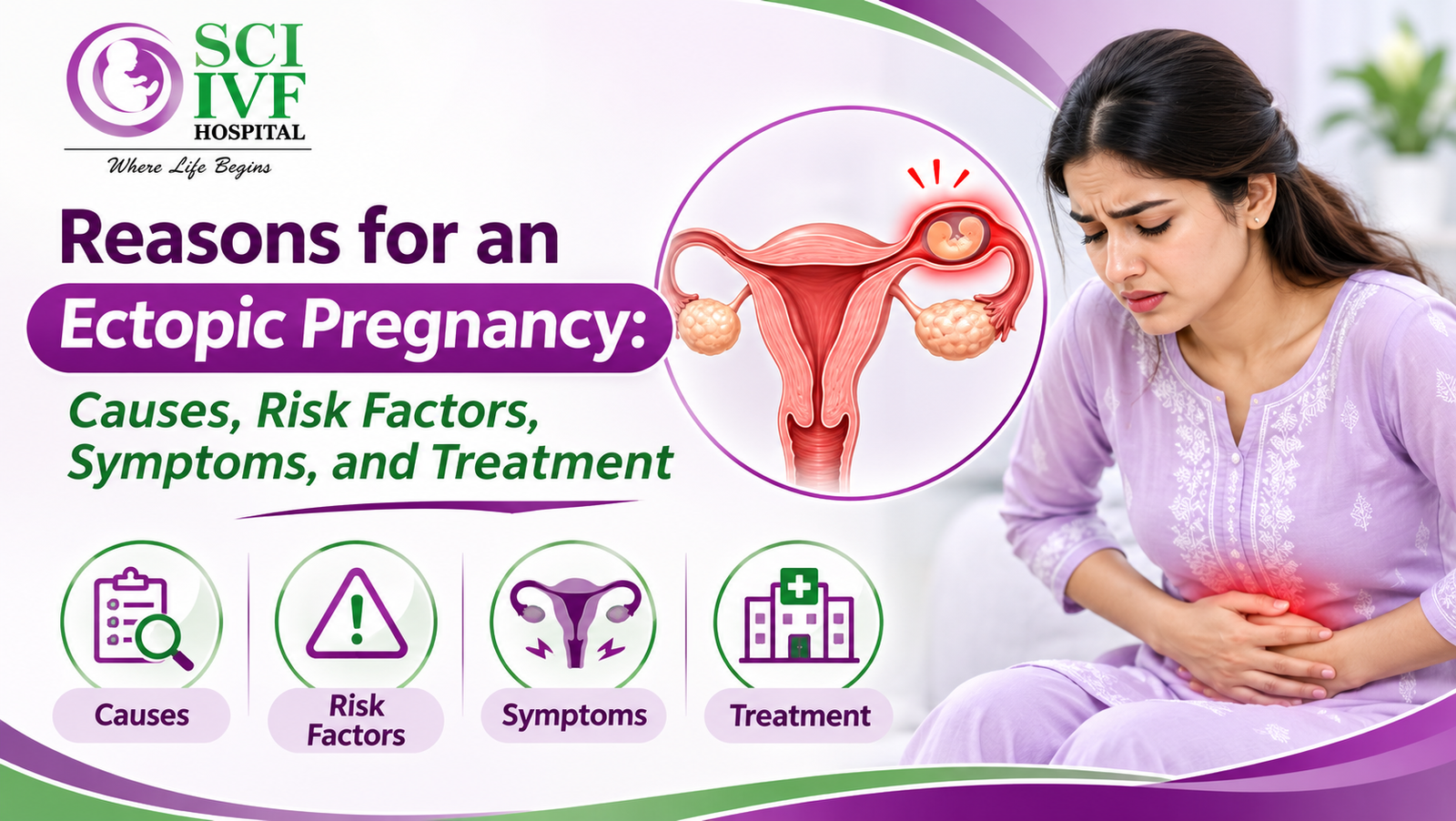
3. Ectopic Pregnancy
An embryo implanting outside of the uterus, in the fallopian tubes is considered an ectopic pregnancy.
4. Miscarriage and Pregnancy Complications
Miscarriage may be experienced after undergoing the IVF process, similar to natural pregnancies. The risks may vary depending on the woman’s age, embryo quality, etc.
IVF Babies Disadvantages: Are There Any Long-Term Effects?
There are many questions asked by couples regarding the impact of their health on their IVF-born baby's well-being.
But the good news is that the majority of children born by IVF techniques do not have any problems. There are some studies proving the connection between fertility treatment and some risks.
They are:
- Premature Birth: IVF-conceived children may be more likely to be born prematurely.
- Lower Birth Weight: Children conceived by IVF and premature may be born with low birth weight.
- Complications during Pregnancy: There might be a higher chance of developing complications for certain IVF pregnancies.
There is one more thing to remember: the age of parents, the infertility itself, and multiple pregnancies are all contributing to these results. And currently, there is no proof that IVF causes serious problems for kids.
How to Manage and Reduce IVF Side Effects
While there might be some pain, the treatment process can become easier by taking specific precautions.
- Take medications and injections according to your fertility expert's advice.
- Make sure that you drink enough water and eat well-balanced meals.
- Make sure you get enough sleep.
- Avoid exercise, especially after egg extraction.
- Attend blood tests and ultrasound appointments.
- Tell your doctor if you have any weird symptoms related to your treatment.
An individualized treatment plan will enable doctors to monitor your progress and manage possible problems.
When Should You Contact Your IVF Specialist?
Some of the most common side effects felt by women undergoing treatment with IVF include bloating, pain, and soreness around the injection site. There are also symptoms that should never be ignored.
See a doctor if you suffer from:
- Abdominal pain that is worsening or severe
- Swelling in the abdomen
- Continuous vomiting
- Vaginal bleeding heavily
- Trouble breathing and chest pain
- Inability to urinate and fainting
Conclusion
IVF is a fertility treatment procedure which holds promise for couples struggling with infertility problems. Yet, knowing about the potential side effects such as hormonal issues, injections, side effects, etc., which may include even complications like OHSS is essential before undergoing the process of treatment. Most of these side effects are short-term and can be managed by proper medical care.
Selecting an expert fertility specialist and following their treatment procedure could ensure your treatment is relatively safe and painless. In case you are opting for the treatment, SCI IVF Hospital, the Best Fertility & IVF Center in India can assist you in your parenthood journey.
Frequently Asked Questions About IVF Side Effects
1. How long do IVF side effects last?
Most common IVF side effects, such as bloating, mild cramps, breast tenderness and fatigue, are temporary. They may improve within a few days after certain treatment stages, although the duration varies depending on the medication used and individual response. Consult your fertility specialist if symptoms persist or worsen.
2. Can IVF injections cause weight gain?
Some women may notice temporary weight changes during IVF treatment due to hormonal fluctuations, fluid retention and bloating. These changes do not necessarily indicate permanent weight gain. Sudden or significant weight gain accompanied by abdominal swelling should be reported to your fertility specialist.
3. Can IVF treatment affect mental health?
Yes. Hormonal changes, emotional stress, uncertainty about treatment outcomes and repeated medical appointments can contribute to mood swings, anxiety and emotional distress. Emotional support, adequate rest and discussing concerns with your fertility team can help during treatment.
4. Do IVF side effects affect the chances of getting pregnant?
Most common IVF side effects, such as mild bloating, headaches and breast tenderness, do not indicate whether treatment will succeed or fail. However, certain complications may require medical attention and can affect the treatment plan. Your fertility specialist monitors your response throughout the process.
5. Does IVF increase the risk of birth defects in babies?
Most children conceived through IVF are healthy. Some studies have reported differences in certain pregnancy and birth outcomes, but these risks can also be influenced by parental age, underlying infertility, multiple pregnancies and maternal health. Your fertility specialist can explain the potential risks based on your individual circumstances.