The Four Stages of Endometriosis Explained
The four stages of endometriosis range from minimal to severe and are classified based on the depth, location, and amount of endometrial tissue growths and scar tissue. Endometriosis can cause symptoms such as painful periods, pelvic or abdominal pain, bowel discomfort, and difficulties with conception. The stages help describe how extensive the condition is, but a higher stage does not necessarily mean more severe pain or symptoms.
In this blog, we explain the four stages of endometriosis, along with their signs and symptoms, diagnosis, treatment options, and potential effects on fertility.
What Are the Stages of Endometriosis?
Doctors commonly use the ASRM scoring system to classify endometriosis into four stages based on the location, depth, and amount of endometrial-like tissue, along with the presence of scar tissue (adhesions) and ovarian cysts. The stages are:
- Stage 1 – Minimal
- Stage 2 – Mild
- Stage 3 – Moderate
- Stage 4 – Severe
These stages describe the extent of endometriosis, rather than directly indicating how much pain or discomfort a person may experience.
Stage 1 Endometriosis – Minimal
Stage 1 endometriosis exhibits minimal damage. Endo lesions at this stage tend to be few and superficial plus there is little scar tissue or adhesions at this stage.
Women at this stage may experience:
- Painful periods
- Pelvic pain
- Painful sexual intercourse
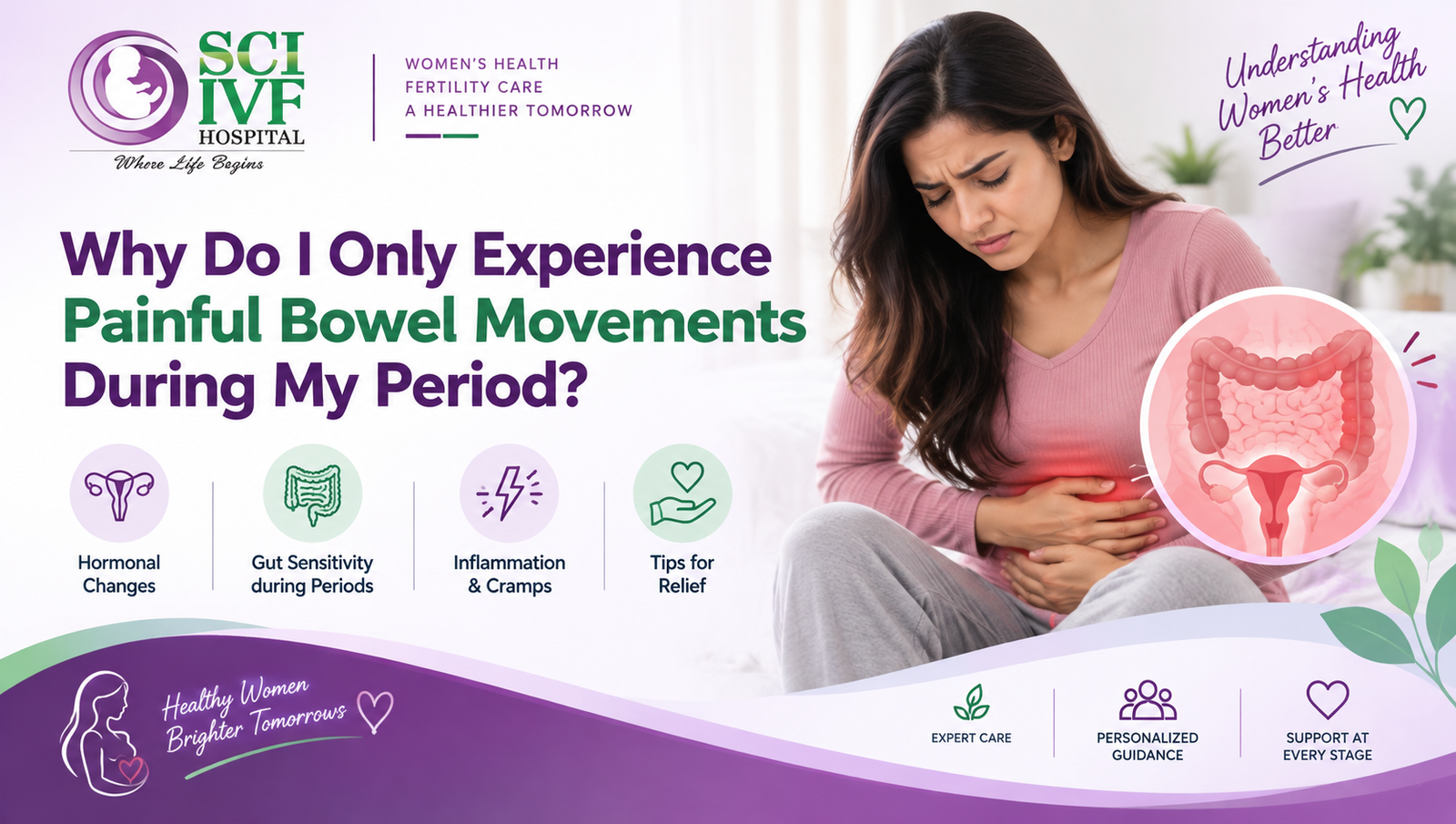
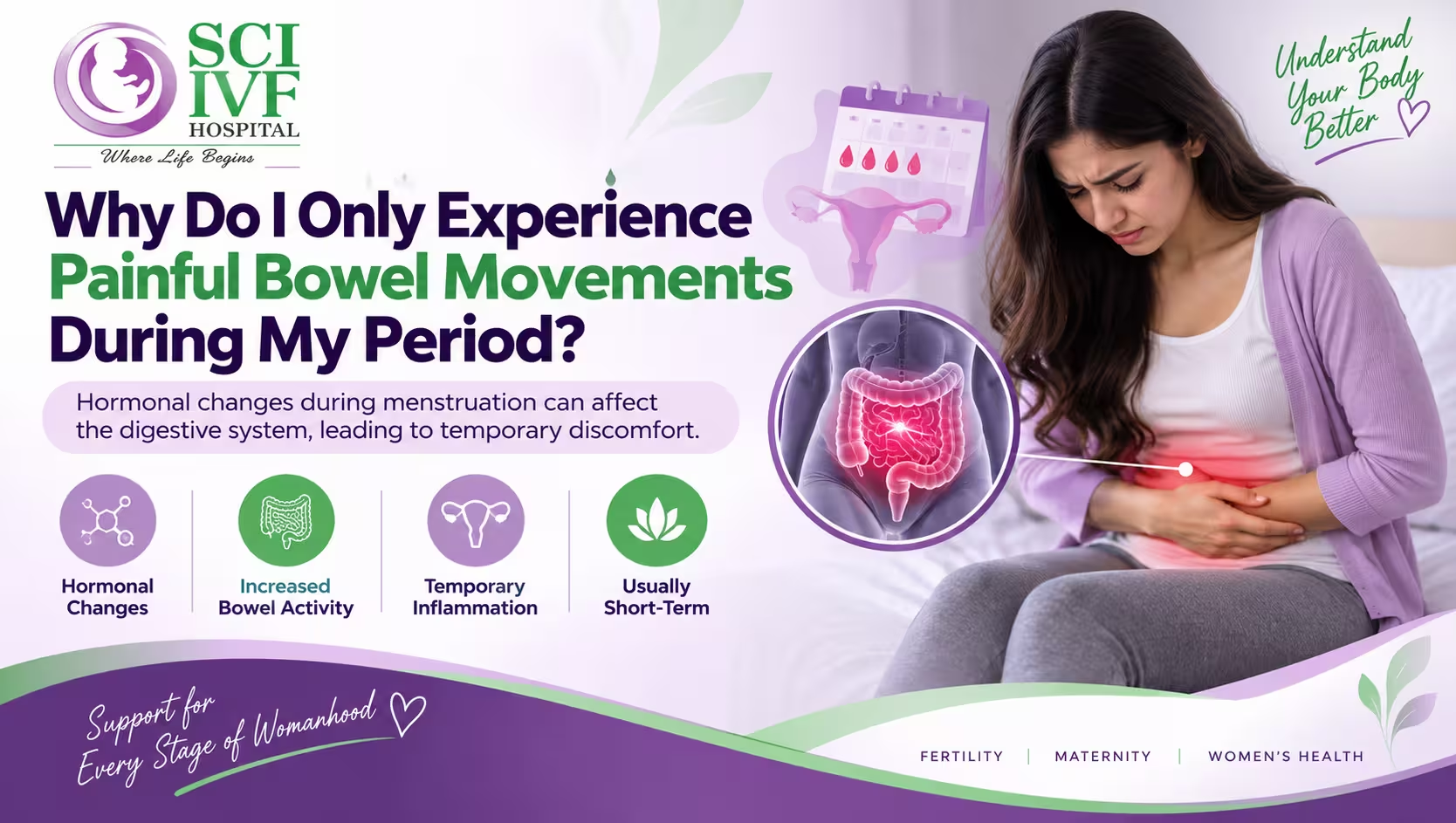
- Painful bowel movements
- Difficulty in getting pregnant
Some women may have few, if any, symptoms.
Stage 2 Endometriosis – Mild
Stage 2 endometriosis is mild endometriosis. Although the characteristics of Stage 1 endometriosis may be present, Stage 2 may have more lesions or endometriosis implants that penetrate deeper, as well as some adhesions.
Potential symptoms may include:
- Worsening pain related to the menstrual cycle
- Pelvic pain
- Pain during sexual intercourse
- Discomfort while passing stool during the menstrual period
- Difficulty conceiving
The symptoms and/or the severity of the symptoms may vary from one individual to the next.
Stage 3 Endometriosis – Moderate
At the moderate level of endometriosis (stage 3), lesions may be deeper, and more significant adhesions may be present. Cysts that occur on the ovaries within the scope of endometriosis (known as endometriomas) are possible.
Symptoms may include:
- Significantly painful periods
- Constant pelvic pain
- Painful urination and bowel movements
- Painful sex
- Pain with bowel or urinary system processes that occur during menstruation
- Difficulty getting pregnant
The appropriate treatment will be dependent upon the person's symptoms, their reproductive desires, and the location and degree of the disease.
Stage 4 Endometriosis – Severe
Stage 4 endometriosis can include deeper endometrial lesions, severe pelvic adhesions, and more intensive pelvic organ involvement. Endometriomas may grow to be larger.
Stage 4 Endometriosis Symptoms
Stage 4 endometriosis can include the following symptoms:
- Chronic pelvic pain
- Severe menstrual cramping and pain
- Pain during and/or after sex
- Painful bowel movements during menstruation
- Painful urination in certain cases
- Bloating
- Bowel symptoms
- Fertility problems
Not all women with Stage 4 endometriosis will experience the most pain. There can be a great divergence from one individual case to the next in symptoms.
Does the Stage of Endometriosis Determine How Much Pain You Have?
Not always. The severity of endometriosis and the severity of symptoms often vary. Someone with Stage 1 or Stage 2 endometriosis could have worse pelvic pain than someone with Stage 3 or Stage 4 endometriosis.
Pain levels could be dependent on the location of endometrial tissue growth, the inflammation of the area, how much of the surrounding tissue the endometrial tissue has grown into and the pain sensitivity of the person. So treatment needs to be based on how the patient is feeling overall, and not just on the disease stage.
Can Endometriosis Stages Affect Fertility?
Endometriosis can impact fertility in some patients, although not all endometriosis patients have difficulty conceiving.
Inflammation, adhesions, ovarian endometriomas and changes around the fallopian tubes or ovaries can impede conception in some patients.
When conceiving is the goal, fertility doctors evaluate numerous variables including:
- Age
- Ovarian reserve
- Fallopian tube health
- The quality of the sperm
- Extent and location of endometriosis
- History of fertility
In the absence of other factors, the extent of endometriosis may determine if natural conception is attempted or more aggressive interventions like fertility medications, IUI or IVF are recommended.
How Is the Stage of Endometriosis Diagnosed?
Based on the symptoms you exhibit and your medical history, doctors start by assessing the presence of pelvic pain, menstrual symptoms, bowel symptoms, and problems with fertility.
As per the case, your diagnosis may involve the following:
- Pelvic examination
- Ultrasound
- MRI
- Laparoscopic evaluation
Both ultrasound and MRI examinations help diagnose endometriosis in particular types, including endometriomas in ovaries and deep lesions. Yet, the assessment of the full extent and staging of the condition may be performed surgically in some cases.
Does Endometriosis Get Worse Over Time?
Not all women with endometriosis follow the same pattern. The development of endometriosis in a woman does not necessarily happen in Steps 1, 2, 3 and 4.
Some women will develop stable endometriosis. Others may develop additional lesions or adhesions in the future. The pattern and intensity of symptoms can also evolve and can occur at any of the steps.
It is often necessary to evaluate a woman further if she is unable to manage symptoms of chronic pelvic pain, menstrual pain, or has problems with the bowel, as well as if she has difficulty conceiving.
Treatment Options for Different Stages of Endometriosis
It is impossible to apply the same treatment for all stages and for all individuals. The treatment may consist of:
- Medications for pain relief
- Hormonal treatment
- Surgical treatment with the laparoscope (in some cases)
- Treatment of ovarian endometriomas or adhesions
- Infertility treatment if pregnancy is planned
- IUI or IVF (selected individuals)
The correct treatment choice will depend on the nature of the disease and whether the woman attempts to become pregnant.
Conclusion
Knowing endometriosis stages provides a broader picture of how the disease can progress; however, the stage does not correlate to pain severity or the risk of infertility. Women with endometriosis may have varying symptoms, from severe to minimal, and often, women with advanced stages will have fewer symptoms compared to women with early endometriosis.
For chronic pelvic pain, trouble conceiving, and/or painful periods, a specialist should evaluate you and determine the cause and the best course of treatment.
SCI IVF Hospital is the best IVF center in India, and the trust most people have in them goes beyond providing specialized fertility care. They have a range of personalized fertility evaluation and treatment options for those in need.
Frequently Asked Questions
What do the stages of endometriosis mean?
Endometriosis is classified into stages I-IV (severity increases with each stage). Stage description concerns the extent of the endometriosis, not the pain.
What does stage II describe?
Level II of the endometriosis spectrum describes mild endometriosis. There may be more and deeper lesions when compared to level I, and there could be some degree of adhesion.
What does level III describe?
Moderate endometriosis (Level III) may present with deeper lesions, more severe adhesions, and ovarian endometriomas.
What does level IV describe?
Level IV describes severe endometriosis. This may result in symptoms such as chronic pelvic pain and painful periods, painful sexual intercourse, and painful bowel movements, as well as pelvic and bowel obstructive symptoms along with infertility.