Cramping During IVF Treatment: Is It Normal?
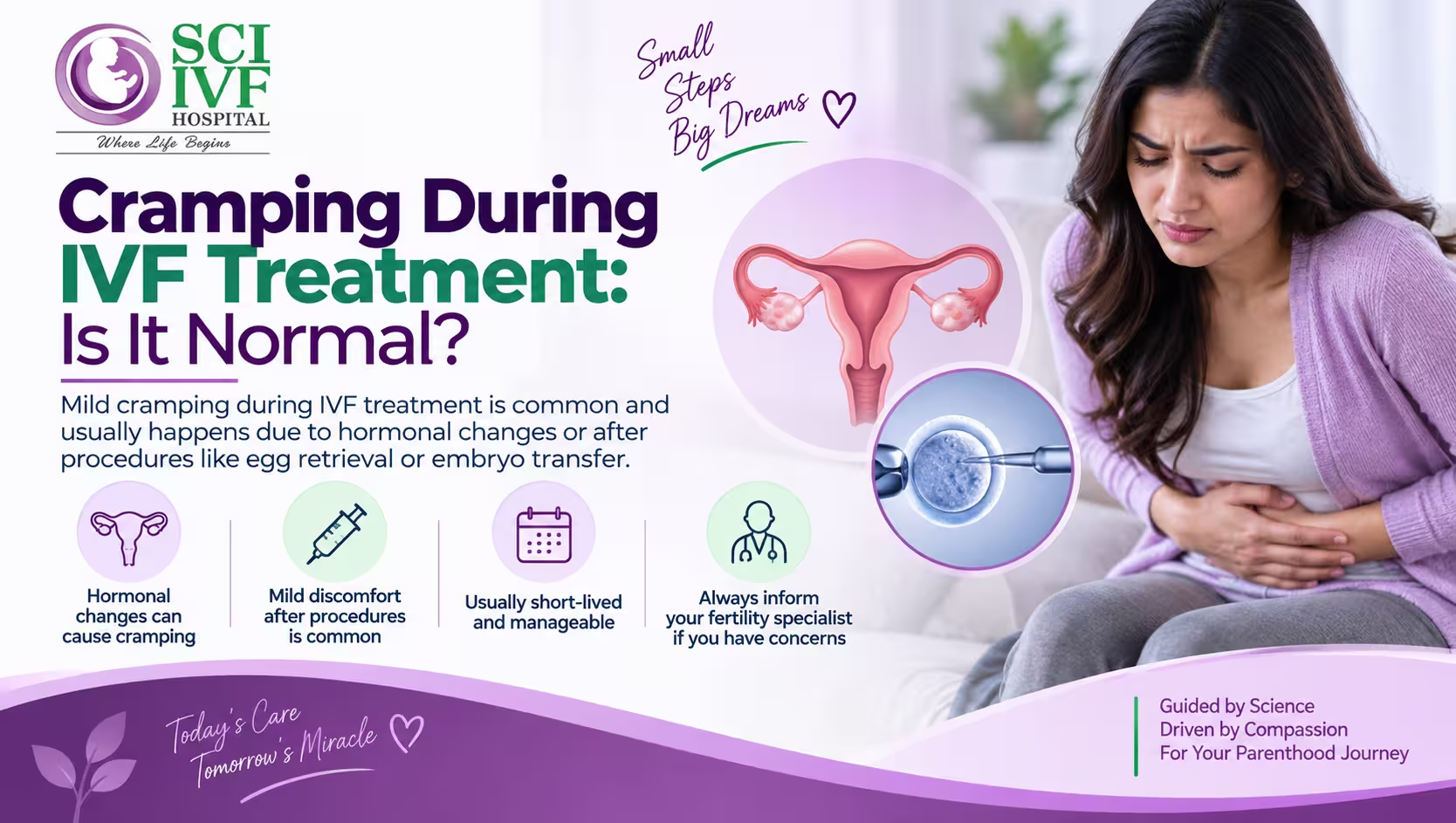
Mild to moderate cramping is a common part of IVF treatment and can occur due to hormonal changes, ovarian enlargement during stimulation, or procedures such as egg retrieval and embryo transfer. While some cramping can be expected at different stages of the IVF process, the intensity and duration may vary from person to person. Severe, persistent, or worsening pain should not be ignored, as it may sometimes indicate a complication such as ovarian hyperstimulation syndrome (OHSS).
In this blog, we will explain why cramping can occur during different stages of IVF, how long it may last, when it may require medical attention, and ways to manage mild discomfort during treatment.
Is Cramping Normal During IVF Treatment?
Mild to moderate cramping is normal during IVF treatment and usually stems from hormonal changes, enlarged ovaries, or procedures like egg retrieval and embryo transfer. During ovarian stimulation, fertility medications encourage multiple follicles to develop, which can cause the ovaries to become enlarged and lead to pelvic or lower abdominal discomfort.
Cramping may also occur after egg retrieval or embryo transfer, although the intensity and duration can vary from person to person. Mild IVF cramping may feel like:
- Menstrual-like cramps
- Mild pelvic pressure
- Lower abdominal discomfort
- Bloating or heaviness
- Mild tenderness around the ovaries
If the pain becomes severe, persistent, or progressively worse, contact your fertility team for medical evaluation.
What Causes Cramping During IVF?
The causes of abdominal cramps during IVF depend on the step in the process.
Cramping During Ovarian Stimulation
During ovarian stimulation, multiple follicles in the ovaries are stimulated to grow during treatment using injections. This causes the ovaries to grow larger than usual.
This can cause:
- Pelvic/Abdominal cramps
- Abdominal heaviness
- Bloating
- Ovarian discomfort
Your fertility clinic reviews you through ultrasounds and, when appropriate, blood work and adjusts treatment in order to avoid complicating the situation.
Cramping After Egg Retrieval
Mild cramping from egg retrieval is totally normal. Since the eggs are removed from the follicles by a needle passing through the vagina, some slight abdominal and pelvic discomfort is to be expected.
Some mild cramping, spotting, and bloating may also occur. Your clinic will give you all the details you need for recovery and methods of pain management.
If any of these symptoms worsen to severe pain, if you start vomiting, or if you feel more and more sick, call your fertility clinic.
Cramping After Embryo Transfer
Some women feel mild cramping after embryo transfer. The transfer process can cause some pelvic discomfort that can last a little while.
Mild cramping after an embryo transfer can't tell you if implantation has happened. Similar sensations can be caused by the procedure, medications, or other normal changes in your reproductive system.
The only way to confirm if you are pregnant is to take a pregnancy test on the day your fertility clinic says you should.
How Long Does Cramping Last After IVF?
IVF cramping varies with each patient, but the length of the cramping is typically related to the stage of the treatment. For example, in most cases IVF cramping after egg retrieval dissipates within a few days, while cramping after an embryo transfer may also be of short duration.
As is the case with any other abdominal cramps or pain, be more concerned about how the cramping is changing and not the duration. Worsening cramping and bloating in addition to severe pain, nausea, or vomiting should cause concern and the cramping should be reported to the fertility clinic.
Is Cramping After Embryo Transfer a Sign of Implantation?
Many patients are worried about cramping after their embryo transfer, but cramping is not a strong indicator of implantation.
Some women experience cramping, whereas others experience no symptoms at all. In addition, symptoms can be caused by fertility medications or even the embryo transfer.
So, it is best not to interpret cramps, breast pain, bloating, or any other symptoms that may appear early on in your IVF cycle as results of your embryo transfer. You should wait for your clinic to provide you with more instructions and then take your pregnancy test when you are told to do so.
When Can Cramping Be a Sign of a Problem?
Mild cramping is normal, but severe pain should be checked by a doctor right away.
Ovarian hyperstimulation syndrome (OHSS) is a complication of IVF. This occurs when the ovaries overrespond to fertility treatment, causing enlarged ovaries and abdominal pain due to the accumulation of fluid.
When to Seek Medical Care
Seek immediate care at your fertility clinic if you have:
- Severe or persistent pain in your lower abdomen
- Persistent bloating
- Vomiting or nausea
- Sudden onset lightheadedness
- Difficulty breathing
- Decreased urination
- Fluid retention (excessive weight gain)
- Persistent heavy bleeding from your vagina
The NHS recommends seeking immediate medical care if you have sudden, excessive pain and bloating, fainting, vomiting, difficulty breathing or extremely low urination after an IVF procedure.
How Can You Manage Mild IVF Cramps?
Since your fertility specialist considers your symptoms to be mild and expected, you may follow their recovery advice.
Some components of recovery may be:
- Rest
- Hydration based on your clinic’s recommendations
- Avoiding strenuous activity
- Approved pain meds by your fertility team
- Monitoring changes in pain, bloating, or any symptoms
Do not add or take away any medications during an IVF cycle on your own. Always comply with instructions given to you by your fertility clinic.
Does Cramping Affect IVF Success?
Having cramps doesn't necessarily mean IVF has failed or succeeded.
Cramps can occur for several reasons during treatment that have nothing to do with implantation or IVF failure. There are multiple reasons why IVF is successful or not, such as the embryos, the age of the patient, or even the health of the patient. Because of these reasons, cramping is not indicative of success or failure.
The most definitive way to say whether or not an IVF cycle has been successful is to take a recommended pregnancy test by your clinic at the appropriate time.
Conclusion
Cramping with IVF treatment happens throughout, from the induction of ovary stimulation through the retrieval of eggs and the transfer of embryos. As with many medical treatments, some degree of discomfort associated with the procedures is normal and expected.
In addition, if there are associated symptoms of significant bloating, nausea, or vomiting, breathing discomfort, or a decreased amount of urine, this could potentially be a sign of more serious problems such as OHSS and therefore would warrant an immediate medical evaluation. Cramps can never be a sign of IVF treatment being successful.
SCI IVF Hospital, the best fertility and IVF center in India, provides individualized IVF treatment, close monitoring, and fertility support during the treatment.
Frequently Asked Questions
Is cramping normal during IVF?
Mild cramping can occur with each of the stages of IVF, but depending on the timing, the location of the pain can give a good indication of the stage of the IVF. Severe or worsening pain should be reported.
Is cramping after egg retrieval normal?
Mild pain after egg retrieval can be vaginal or abdominal. Persistent or progressively severe pain should be reported.
Is cramping after embryo transfer a good sign?
Not necessarily. Bright moon after dark, cramping after embryo transfer is not a sign of implantation or pregnancy.
When should I worry about cramps after IVF?
Have your pain checked if it is severe or becoming severe, especially if bloating is severe, with vomiting, dizziness, breathing difficulty and lack of urination.