Preeclampsia vs Eclampsia
Pregnancy brings many physical and emotional changes, but some symptoms should never be ignored. Preeclampsia and eclampsia are serious pregnancy complications associated with high blood pressure during pregnancy and can affect both the mother and baby if not treated promptly.
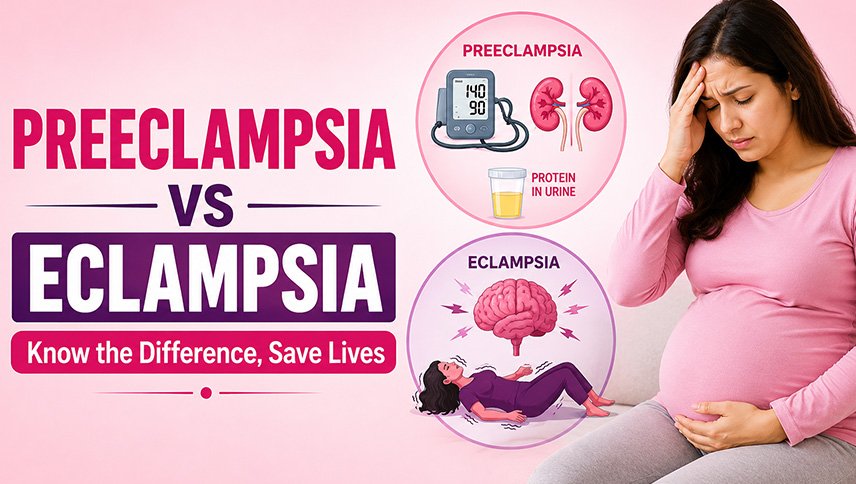
Preeclampsia is a condition that usually develops after 20 weeks of pregnancy and is characterized by high blood pressure, often accompanied by protein in the urine and signs of organ involvement. Eclampsia is the severe progression of preeclampsia, where a pregnant woman develops life-threatening seizures or, in rare cases, a coma that cannot be explained by another medical condition.
Early diagnosis, regular prenatal check-ups, and timely treatment are essential to prevent complications and ensure the best possible outcomes for both mother and baby. In this article, we'll explain the difference between preeclampsia and eclampsia, their symptoms, causes, diagnosis, treatment options, and when immediate medical attention is needed.
What Is Preeclampsia?
Preeclampsia is a pregnancy-related condition that usually develops after the 20th week of pregnancy and is characterized by high blood pressure along with signs of damage to organs such as the kidneys or liver. It is one of the most common pregnancy complications and requires careful monitoring to protect both the mother and the baby.
If left untreated, preeclampsia can lead to serious health problems and may progress to more severe complications. However, with early diagnosis, regular prenatal care, and appropriate treatment, most women with preeclampsia can have a safe pregnancy and healthy delivery.
What Is Eclampsia?
Eclampsia is a rare but serious pregnancy complication that occurs when preeclampsia progresses to seizures that cannot be explained by any other neurological condition. It is considered the most severe form of preeclampsia and can pose significant risks to both the mother and the baby.
Although eclampsia is uncommon, it is a medical emergency that requires immediate treatment and close monitoring. The good news is that with regular prenatal care, early diagnosis, and proper management of preeclampsia, most women do not develop eclampsia and go on to have healthy pregnancies and deliveries.
Preeclampsia vs Eclampsia: Key Differences
The main difference between preeclampsia and eclampsia is that eclampsia includes seizures, making it a much more severe condition.
Signs and Symptoms of Preeclampsia
Identifying the indicators of preeclampsia can facilitate prompt therapy.
Preeclampsia may exhibit several symptoms, including:
- Elevated blood pressure
- Swelling of the extremities or face
- Excess protein in urine
- Persistent or severe headaches
- Sensitivity to light or blurred vision
- Discomfort in the upper right area of the abdomen
- Nausea or vomiting occurring in the second or third trimester
- Rapid weight gain from fluid accumulation
- Decreased urine production
- Difficulty breathing
Since some pregnant women may have no or only mild symptoms of preeclampsia, frequent antenatal appointments are very important.
Symptoms of Eclampsia
Eclampsia is an advanced form of preeclampsia. Symptoms usually include:
- seizures
- loss of consciousness
- severe headaches
- vision changes
- confusion
- muscle pain (after seizures)
- difficulty breathing
- extreme restlessness
A pregnant woman is at risk of seizures associated with eclampsia and therefore must be treated as an emergency case. She must be hospitalized as an immediate measure.
What Causes Preeclampsia and Eclampsia?
The precise causes of preeclampsia are still being studied, but most experts agree that disruptions in the development of the placenta and its functions in the early pregnancy stages contribute to preeclampsia.
Several factors may include:
- Development of placental blood vessels
- Changes in the immune system
- Genetic components
- Blood vessel dysfunction
Risk Factors
Preeclampsia and eclampsia are more common for women who:
- Are having their first baby
- Are you pregnant with twins or multiples
- Underwent an IVF pregnancy
- Did not have healthy blood pressure before pregnancy
- Have diabetes
- Have kidney disease
- Have obesity
- Are over 35 years old
- Have a family history of preeclampsia
If one or more of these factors apply to you, the condition is more likely to occur, but no other symptoms may manifest.
How Are Preeclampsia and Eclampsia Diagnosed?
A combination of clinical evaluation and testing are used to identify these conditions.
The following may be examined:
- Blood pressure
- Routine urinalysis
- Laboratory tests to evaluate renal and hepatic function, platelets and a complete blood count
- Ultrasound to assess fetal growth
- Fetal heart rate
- The level of amniotic fluid
The results of these tests are used to assess the condition and provide options for treatment.
Treatment for Preeclampsia and Eclampsia
The type of treatment depends upon the seriousness of the problem and the stage of pregnancy.
Treatment for Preeclampsia
In mild cases, treatment may involve:
- Frequent prenatal visits
- Monitoring of blood pressure
- Medications to control high blood pressure
- Fetal monitoring
- Adequate rest, as directed by your doctor
If the pregnancy is close to reaching its full term or the condition is serious, delivery is suggested.
Treatment for Eclampsia
Eclampsia needs emergency medical attention.
This involves:
- Admission into the hospital
- Giving drugs like magnesium sulphate to prevent other seizures
- Regulating blood pressure
- Regular monitoring of the mother and the child
- Birth of the baby if it is safe and necessary
The timing for delivery is dependent on the state of the mother and the baby and the pregnancy stage.
Possible Complications
Preeclampsia and eclampsia can have grave outcomes for both the mother and baby without prompt treatment.
For the Mother
- Stroke
- Kidney damage
- Liver issues
- HELLP syndrome
- Placental Abruption
- Seizures
For the Baby
- Poor growth in the womb
- Lower than average birth weight
- Premature birth
- Lower than normal oxygen
- Stillbirth in severe and untreated cases
These outcomes are completely avoidable with early diagnosis.
Can Preeclampsia Be Prevented?
There is no foolproof method to avoid preeclampsia, but there are some precautions to lessen the chances of developing the disease. The following are recommendations for prevention:
- Keep all prenatal appointments
- Check blood pressure regularly
- Maintain control of diabetes or stay within the limits of chronic hypertension
- Stay lean leading into pregnancy
- Only take low-dose aspirin if it is prescribed
- Follow a healthy diet
- Exercise with doctor approval
- Maintain regular antenatal appointments
Having the early stage of preeclampsia discovered during an antenatal appointment is more likely than having it prevented.
When Should You Seek Immediate Medical Care?
Call your health care provider or go to the nearest hospital emergency room right away if you have:
- Severe headache that doesn't go away
- Vision problems or blindness
- Heavy vaginal bleeding
- Seizures
- Severe stomach pain above the navel area
- Facial or hand swelling
- Difficulty breathing
- Decreased fetal movement
- Prompt medical care may be able to keep you and your baby safe.
Conclusion
Understanding the difference between preeclampsia and eclampsia is essential for every expectant mother. While preeclampsia can often be managed with careful monitoring and timely treatment, untreated cases may progress to eclampsia, a life-threatening condition marked by seizures. Recognizing the signs of preeclampsia, attending regular prenatal check-ups, and seeking prompt medical attention for concerning symptoms can greatly improve outcomes for both mother and baby. Women with high-risk pregnancies, including those conceived through IVF, should follow their healthcare provider's recommendations closely throughout pregnancy. At SCI IVF Hospital, our experienced fertility and pregnancy specialists provide comprehensive antenatal care, high-risk pregnancy monitoring, and personalized support to help ensure the healthiest possible pregnancy journey for you and your baby.
Frequently Asked Questions
What is the difference between preeclampsia and eclampsia?
Preeclampsia is characterized by high blood pressure and signs of organ involvement during pregnancy, while eclampsia occurs when preeclampsia progresses to seizures.
What are the first signs of preeclampsia?
Early signs may include high blood pressure, swelling, protein in the urine, headaches, and vision changes. Some women may not notice symptoms initially.
Can IVF increase the risk of preeclampsia?
Some studies suggest that pregnancies conceived through IVF may have a slightly higher risk of preeclampsia. Your fertility specialist will monitor your pregnancy closely if additional risk factors are present.
Is eclampsia life-threatening?
Yes. Eclampsia is a medical emergency that requires immediate treatment to reduce the risk of serious complications for both mother and baby.
Does preeclampsia go away after delivery?
Preeclampsia usually improves after the baby and placenta are delivered. However, blood pressure and related symptoms may take several days or weeks to return to normal, so continued monitoring after childbirth is important.