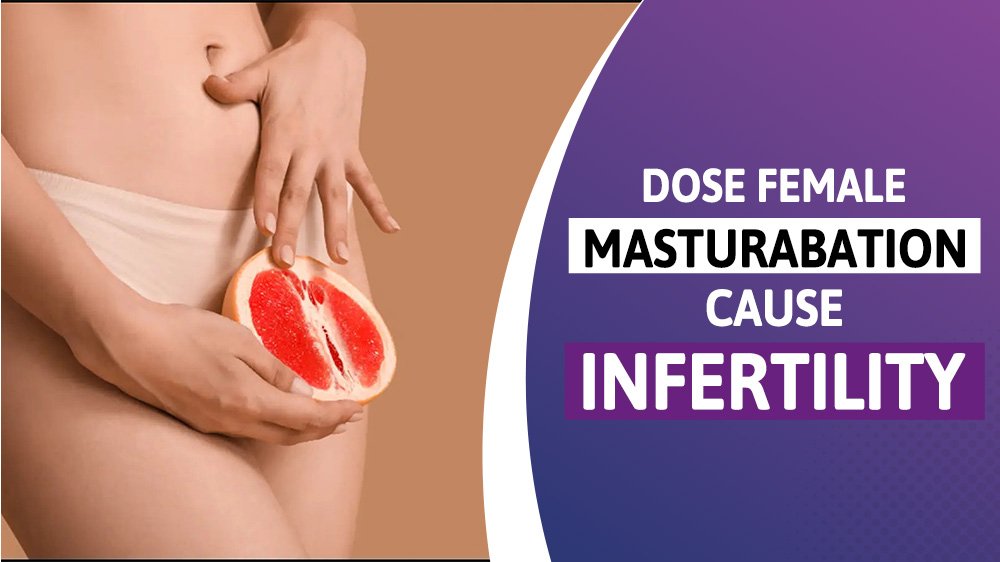
Does Female Masturbation Cause Infertility?
Women are often confronted by myths about habits that may lower their fertility. One of the most common myths is that female masturbation may result in loss of the ability to conceive.
Women are often worried about self-stimulation due to myths that self-masturbation could harm their ability to conceive in the future. These worries came from cultural biases and are not backed by the medical community. Feminine masturbation does not cause loss of ability to conceive.
Many women avoid masturbation due to worries based on myths and fears instead of medical facts. This article will explain the connection (or lack thereof) between female masturbation and fertility, examine why this myth persists, describe the physiological effects of masturbation on women, and give a brief overview of the medical causes of infertility in women.
What is Female Masturbation?
Masturbation is a natural practice of self-stimulation of one's own genitals for sexual pleasure. This may include the use of sexual health devices, but safe ones. Self-stimulation may include the use of one's hands to perform the stimulation. Many women may experience this phenomenon at various points in their lives.
When it comes to medicine, masturbation is seen as a normal way to become sexually aware and to learn about one’s body. It teaches a person about how their body and sexual responses work, and what their preferences are.
Medical experts see masturbation as a positive sexual activity, and it can be done whether a person is in a relationship or not. Many cultures tend to avoid talking about female sexual activity, and this is how the myths and misconceptions about masturbation and women’s reproductive health begin.
Does Female Masturbation Cause Infertility?
No, it does not lead to a woman being unable to get pregnant cause self-affection in any way, that would harm the ability to conceive, or harm any parts of the reproductive system. There is no scientific proof to support self pleasure does damage the reproductive organs. The ability to become pregnant is dependent on other factors, including, but not limited to, egg quality and the overall health of the reproductive organs and hormonal levels.
Self-affection has nothing to do with the releasing of the egg, or fertilization of the egg by a sperm.
Self-affection has nothing to do with the uterus, ovaries, or the cervix and there is no relation to the cause of infertility and no proof to show that women who self-afflict are less likely to become pregnant.
Why Do People Believe This?
Rather than science, the belief that women's self-affection leads to infertility is rooted in misinformation. It is easy to construct incorrect beliefs, especially with the influence of various social and cultural factors.
Social and Cultural Taboos
Many, if not all, cultures find talking about everything that has to do with a female's sexuality downright distasteful. Cultural boundaries create a trap in which a lot of false beliefs are formed about female self-affection and sexuality.
Insufficient Sexual Education
Where sexual education is organized, and current individuals, such as societies, have a better understanding of the reproductive system and its processes. However, in these societies where sexual education is lacking and reproductive health is taboo, myths and unfounded beliefs thrive.
Fertility Concerns
The subject of reproductive health is cardinal for many women and couples. Irrational fears can, therefore, predominate when people are informed of even unfounded fears about how specific behaviors can affect people’s ability to reproduce.
How Female Masturbation Affects the Body
On the bright side, masturbation doesn't influence the ability to conceive, but it does have some natural effects on the human body.
Body Reaction
Dopamine, oxytocin, and endorphins are released during sexual stimulation and cause happy feelings, relaxation, and an overall better mood.
Mood
Your overall health and reproductive health can suffer due to high stress levels. Masturbation can relax you and help with stress.
Body recognition
Knowing your body is especially important for women. Moving forward, this will help you identify potential issues in the reproductive area and signal for intervention.
Can Masturbation Affect Fertility Treatment or IVF?
Maybe you have heard of IVF and are wondering how this relates to your question about masturbation and its effects during fertility treatments? Masturbating does not interfere with IVFs or the placement of embryos.
When considering the medical aspects of fertility treatments, the most important components are the retrieval of the egg, the fertilization, the development of the embryo, and the actual implantation of the embryo into the uterus. Masturbation does not change any of these medical treatments.
If you recall your last cycle of fertility treatments, your gynaecologist most likely gave you personal suggestions based on your medical condition and the plan of treatments. It would be to your benefit to listen to your fertility specialist during IVF.
When Should You See a Fertility Specialist?
Fertility specialists can be consulted when pregnancy is not achieved after several attempts.
Medical evaluations are recommended when:
- One year of unprotected intercourse without pregnancy
- Menstruation is absent or infrequent
- Endometriosis or PCOS is confirmed
- History of pregnancy loss
- Women aged 35 years and above attempting pregnancy for 6 months
A specialist can address concerns early and offer suitable options.
Conclusion
Masturbation isn’t going to make a woman infertile as it is a common and completely natural behavior. Scientifically, there is a lot of evidence to the contrary, stating how it does not harm any parts of a woman’s reproductive system, it does not affect her cycle, and it does not harm her ability to be pregnant.
Cultural stigma, myths, and disinformation regarding women's healthcare cause many fears regarding the topic. Most of the infertility issues women face derive from medical issues, not personal sexual habits. Consult medical professionals if you have concerns regarding your ability to conceive.
Fertility specialists at SCI IVF Hospital, which is one of the best IVF hospitals in India, provide individualized treatment plans, advanced diagnostics and empathetic assistance to help couples achieve their goal of parenthood.
FAQ
1. Can masturbation damage the uterus or ovaries?
No, masturbation does not harm the uterus, ovaries, or any part of the reproductive system. It is a normal and safe activity.
2. Does masturbation affect ovulation or egg quality?
No, masturbation does not affect ovulation or egg quality. These processes are controlled by hormones and overall reproductive health.
3. Can frequent masturbation reduce chances of pregnancy?
No, even frequent masturbation does not reduce the chances of getting pregnant. Fertility depends on factors like hormonal balance, age, and reproductive health.
4. Is masturbation safe while trying to conceive?
Yes, masturbation is safe while trying to conceive. It does not interfere with fertilization or implantation.
5. Does masturbation affect IVF or fertility treatments?
No, masturbation does not impact IVF or other fertility treatments. However, it is always best to follow your gynaecologist's guidance during treatment.