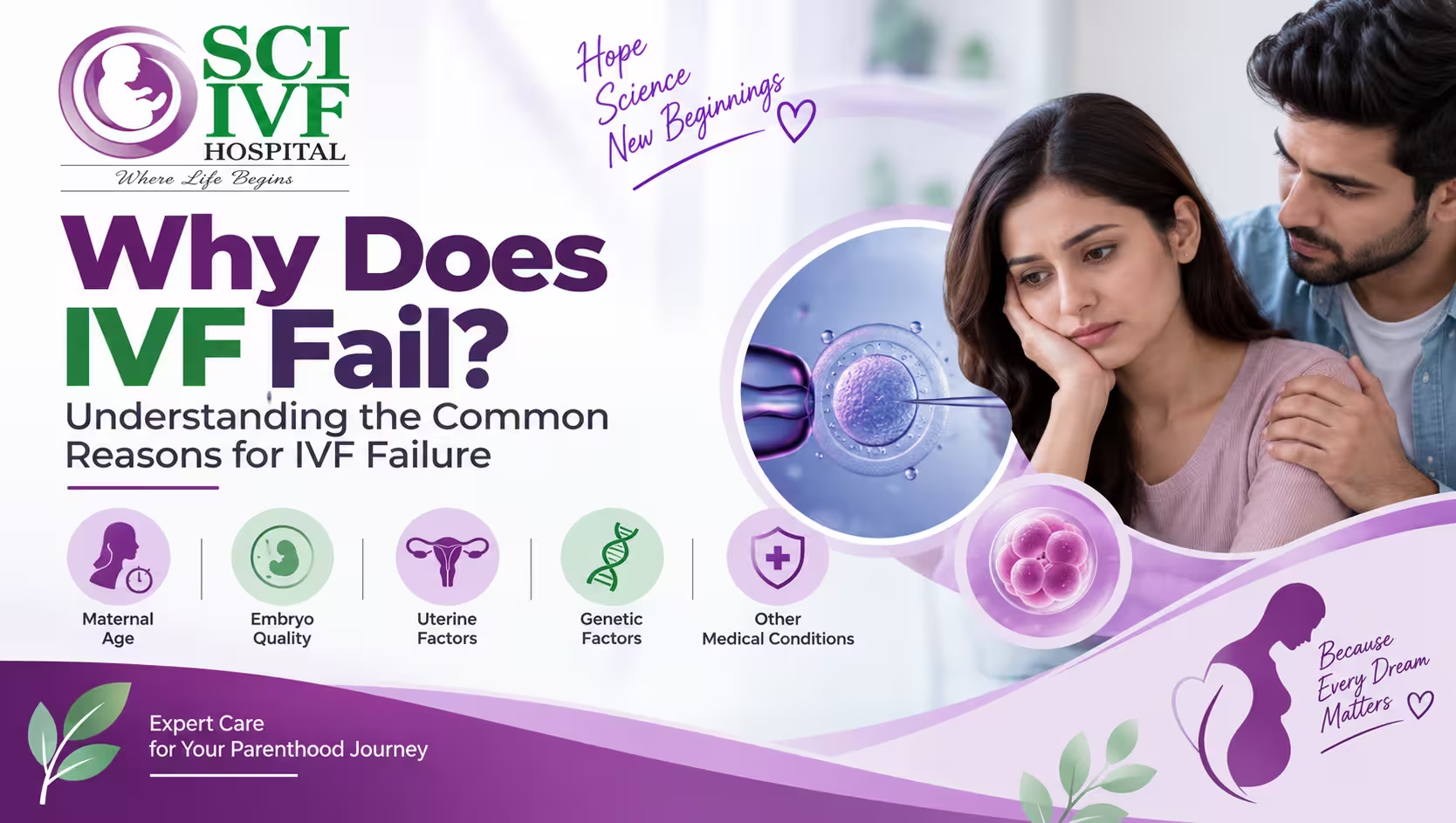
Why Does IVF Fail? Understanding the Common Reasons for IVF Failure
In-vitro fertilization (IVF) can fail for several reasons, with chromosomal abnormalities in the embryo and problems with the uterine lining that affect implantation being important factors. An IVF cycle involves several stages, including ovarian stimulation, egg retrieval, fertilization, embryo development, and embryo implantation, and difficulties at any of these stages can affect the outcome.
A failed IVF cycle can naturally lead to questions such as, “Why did my IVF fail?” However, there may not always be one identifiable reason. In this blog, we will discuss the common reasons for IVF failure, why implantation may not occur even with a good-quality embryo, and what factors doctors may consider when planning the next step.
What Does IVF Failure Mean?
IVF failure means that an In Vitro Fertilization (IVF) cycle did not result in a successful pregnancy. An IVF cycle may not succeed at different stages of the treatment, from egg retrieval and fertilization to embryo development and implantation.
Some situations that may occur include:
- Few or no eggs being retrieved
- Fertilization not occurring successfully
- Embryos stopping their development
- No suitable embryo being available for transfer
- The transferred embryo not implanting in the uterus
- Early pregnancy loss after implantation
The underlying reasons can vary from one patient to another. Not every fertilized egg develops into a blastocyst, and not every transferred embryo successfully implants and leads to pregnancy.
Why Does IVF Fail?
IVF failure is not caused by any one factor. Some of the important factors are listed below:
- Poor egg quality or age
- Abnormal chromosomes in the embryo
- Male factor
- Embryo developmental problems
- Implantation problems
- Endometrial or uterine problems
- Poor ovarian response to stimulation
- Certain medical or personal factors
It should be noted that IVF failure is not always due to anything done or not done by the patient herself.
1. Egg Quality and Age
As a woman gets older, the chance of producing eggs or embryos with abnormal chromosomes increases. This is a major problem for women attempting to conceive especially in later life.
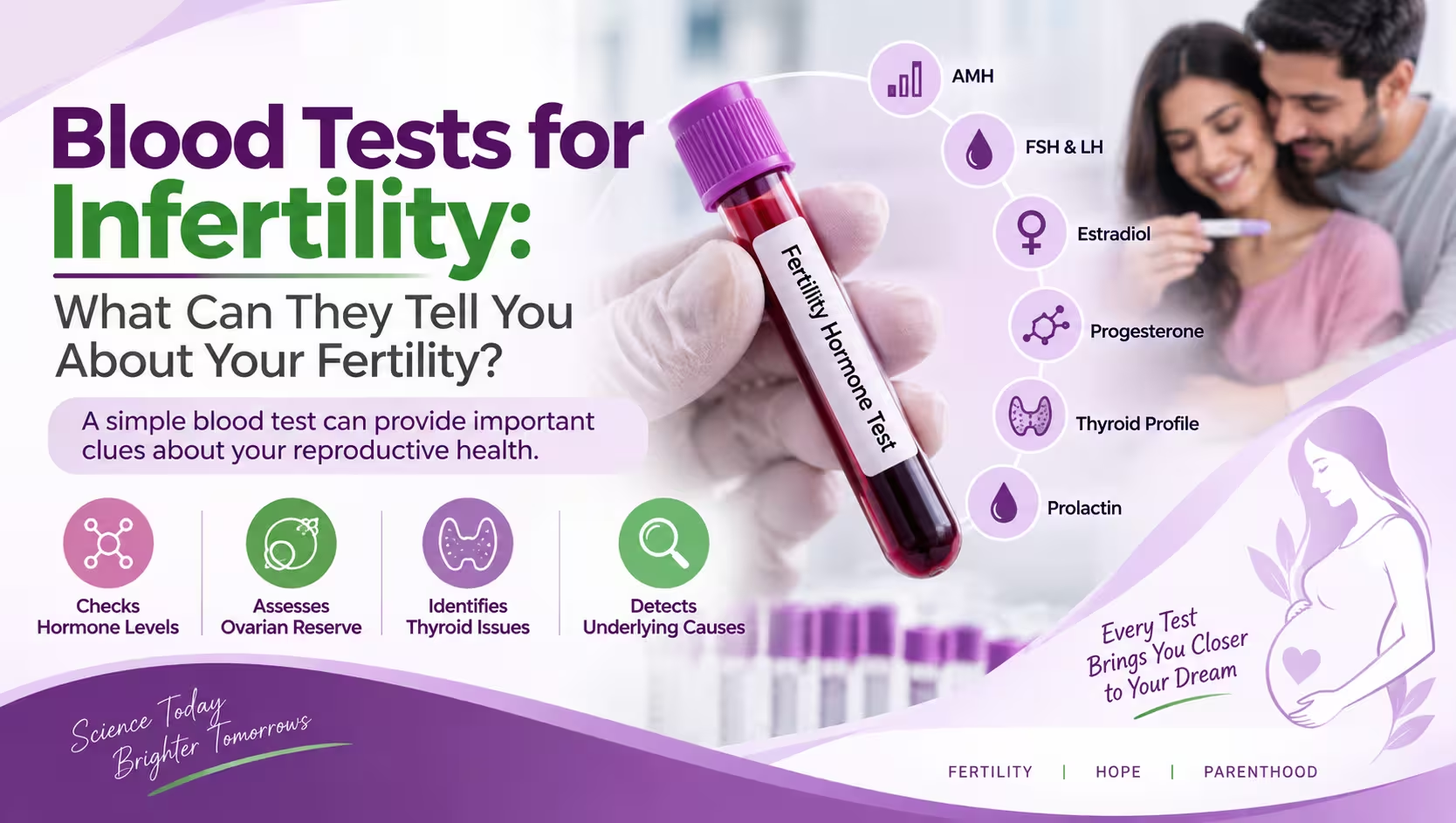
Egg quality and egg quantity must both be considered. The AMH and AFC tests are helpful in providing the ovarian reserve and the ovarian response to stimulation, but do not assess egg quality. In this case, age is a stronger predictor of reproductive outcome.
2. Embryo Chromosomal Abnormalities
As far as IVF failures are concerned, embryonic aneuploidy or abnormal chromosome numbers are the major cause.
A good quality embryo with normal morphology can still have an abnormal set of chromosomes. Such an embryo is likely to have no ability to implant and develop further.
It is believed that age-related embryo aneuploidy is a main reason for implantation failure.
3. Sperm Quality
As with eggs and embryos, sperm plays an important role in IVF.
There are some issues with sperm such as count, movement, morphology, etc., that can affect fertilization and embryo development. In such cases where there is significant male factor infertility, the fertility specialist may order an additional evaluation and decide on a specific fertilization method.
Having said that, sperm-related factors are only one of the many reasons that could explain an unsuccessful IVF cycle.
4. Issues Related to Embryo Development
Not all fertilized eggs continue to develop normally.
There is a natural selection among fertilized eggs, evidenced by attrition during early embryo development and by the time the embryo has developed to the blastocyst stage.
Therefore, it does not follow that X number of eggs harvested would mean X number of embryos available for transfer.
5. Implantation Failure
Implantation is the process of the embryo attaching to and beginning to penetrate the uterine lining. Implantation is successful when the embryo and the uterus are both healthy.
A good-looking embryo can still fail to implant.
Embryo chromosomal status, uterine abnormalities, and other reproductive factors can all be possible causes.
One failed embryo transfer does not mean a person has recurrent implantation failure.
6. Uterine and Endometrial Factors
Conditions affecting the uterus can also potentially affect the process of implantation. Some of these conditions may be:
- Endometrial polyps
- Certain fibroids
- Intrauterine adhesions
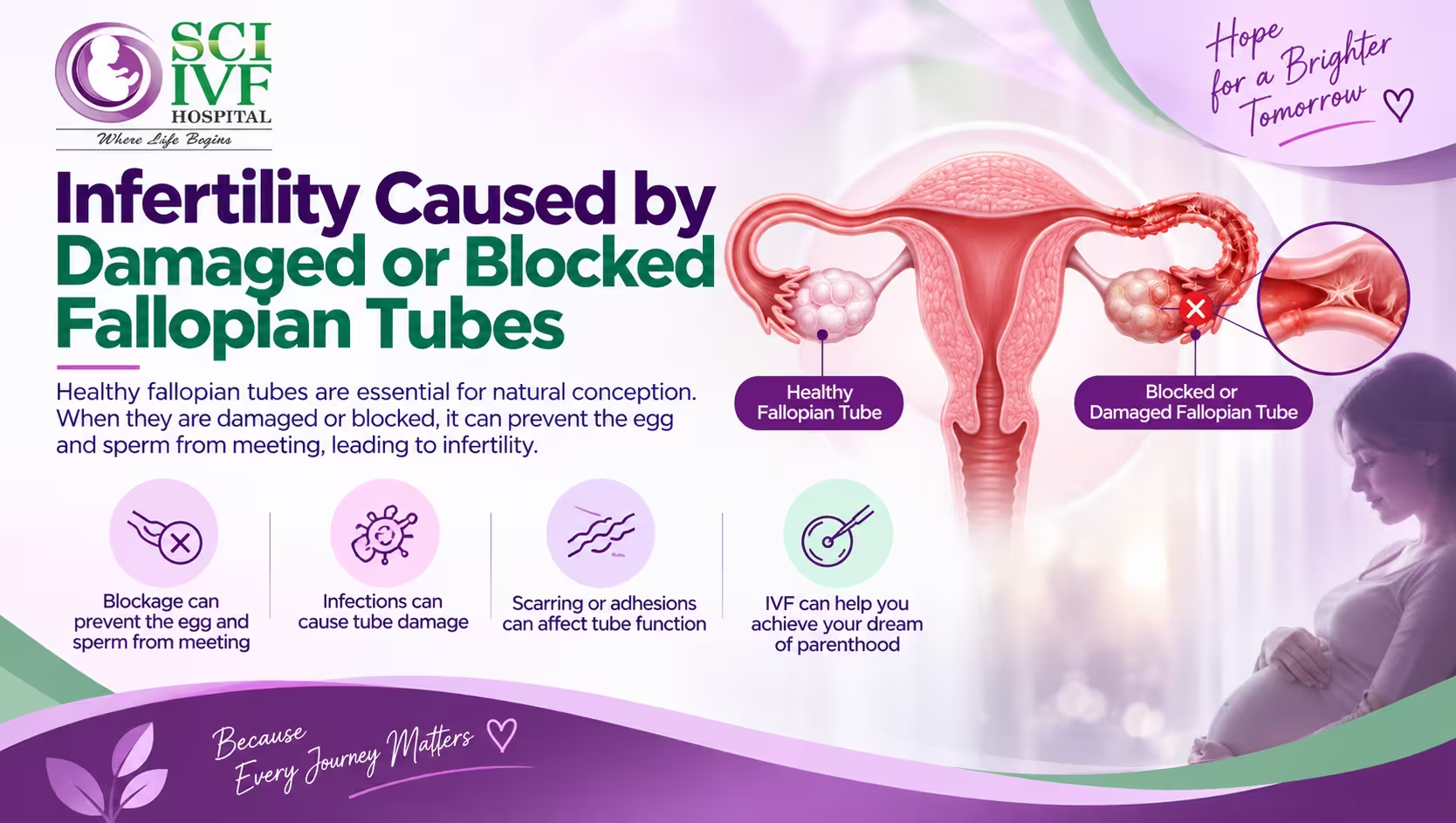
- Hydrosalpinx
- Adenomyosis in some patients
Some conditions of the uterus can be the reason for repeated implantation failure, which can be evaluated by a thorough examination of the uterine cavity.
7. Ovarian Response and Number of Eggs
The number of eggs retrieved during an IVF cycle can vary from woman to woman. Some women may produce fewer eggs than expected in response to ovarian stimulation, which can result in fewer eggs being available for fertilization and embryo development. However, a low ovarian reserve does not necessarily mean that IVF cannot be successful.
Tests such as AMH and antral follicle count (AFC) can help doctors assess ovarian reserve and predict how the ovaries may respond to stimulation. However, these tests do not by themselves determine whether a woman can become pregnant through IVF.
8. Medical and Lifestyle Conditions
There are many health conditions that can affect your fertility and your chances of successful IVF. Some of these conditions include smoking, obesity, extreme weight loss, and uncontrolled medical conditions.
However, a failed IVF cycle cannot be blamed on lifestyle factors. Many IVF cycles fail despite medical intervention and discipline on the patient's part.
Why Does IVF Fail With Good Embryos?
It is one of the most frequently asked questions after the failure of embryo transfer.
By definition, “good quality” embryos are those which receive good ratings at the laboratory stage. However, morphology does not provide any information about the genetics and development capabilities of the embryo.
The embryo may look good but may have abnormal chromosomes. Moreover, the implantation of the embryo is dependent on the state of the uterus. This is why there are several explanations of the failure of IVF in case of good embryos.
What Should You Do After IVF Failure?
An unsuccessful IVF cycle does not necessarily mean that extensive testing is required immediately. Your fertility specialist will first review the previous IVF cycle and assess factors such as:
- Number of eggs retrieved
- Fertilization results
- Embryo development and quality
- Details of the embryo transfer
- Uterine and endometrial evaluation
- Previous fertility history
- Age and other relevant health factors
If repeated implantation failure is suspected, your doctor may consider more targeted evaluation. Reviewing your medical history, previous IVF cycles, and relevant imaging can help determine whether additional investigations may be appropriate before planning the next treatment cycle.
Conclusion
There are several reasons for IVF failure. Egg quality, embryo quality and sperm health, as well as chromosomal abnormalities, embryo, and implantation stages, and uterus related conditions, are some of the main reasons.
Sometimes, good embryos do not implant, and often no reason can be found to explain a failed cycle. A failed IVF cycle does not mean that pregnancy will not happen or that the next cycle will also fail. The fertility specialist will advise you on a next course of action once you present your medical history to them.
SCI IVF Hospital is the best IVF center in India, and we help patients develop a custom IVF care plan and assess the reason for prior failed IVF cycles. We provide the best care for our patients to help them build their families.
Frequently Asked Questions
1. Why does IVF fail?
IVF can fail for several reasons, including egg quality, embryo development, chromosomal abnormalities, sperm-related factors, implantation problems, and uterine or endometrial conditions. Sometimes, no single cause can be identified.
2. Why does IVF fail with good-quality embryos?
A good-quality embryo based on its appearance under a microscope may still have chromosomal abnormalities that cannot be identified through morphology alone. Implantation can also be affected by factors related to the uterus and endometrial lining.
3. Can IVF work after one failed cycle?
Yes. One unsuccessful IVF cycle does not necessarily mean that future treatment will be unsuccessful. A fertility specialist can review the previous cycle, including egg retrieval, fertilization, embryo development, and transfer details, before deciding whether any changes or additional evaluation may be appropriate.
4. Does low ovarian reserve mean IVF will fail?
Not necessarily. A low ovarian reserve may result in fewer eggs being retrieved during stimulation, but it does not by itself determine whether pregnancy through IVF is possible. Tests such as AMH and antral follicle count can help assess ovarian reserve and expected response to stimulation.
5. What should I do after a failed IVF cycle?
After an unsuccessful IVF cycle, your fertility specialist can review your previous treatment and consider factors such as the number of eggs retrieved, fertilization results, embryo development and quality, embryo transfer, uterine evaluation, age, and medical history. Depending on your individual situation, additional evaluation may or may not be recommended before another cycle.