IVF Injections: Types, Number, and Role in Fertility Treatment
IVF injections are hormonal medications used to stimulate the ovaries, control ovulation, and prepare the uterus for pregnancy during an in vitro fertilization cycle. The type and number of injections can vary from person to person depending on the specific treatment protocol and individual response to fertility medications. Patients may typically need around 10 to 30 injections during an IVF cycle, although the exact number can differ based on factors such as the treatment plan and ovarian response.
In this blog, we will discuss the different types of IVF injections, how many may be needed, when they are used, their role in fertility treatment, and the common side effects patients may experience.
Why Are Injections Used During IVF?
Injections are used during in vitro fertilization (IVF) to stimulate the ovaries to produce multiple mature eggs at once instead of just one. This allows fertility specialists to retrieve multiple eggs during the egg retrieval procedure, which can then be fertilized in the laboratory to create embryos.
IVF injections may also be used at different stages of treatment to:
- Stimulate the ovaries to develop multiple follicles and mature eggs
- Prevent premature ovulation before egg retrieval
- Support final egg maturation before the eggs are collected
- Provide hormonal support after egg retrieval or embryo transfer, when prescribed
- Help prepare or support the uterine lining when required as part of the treatment protocol
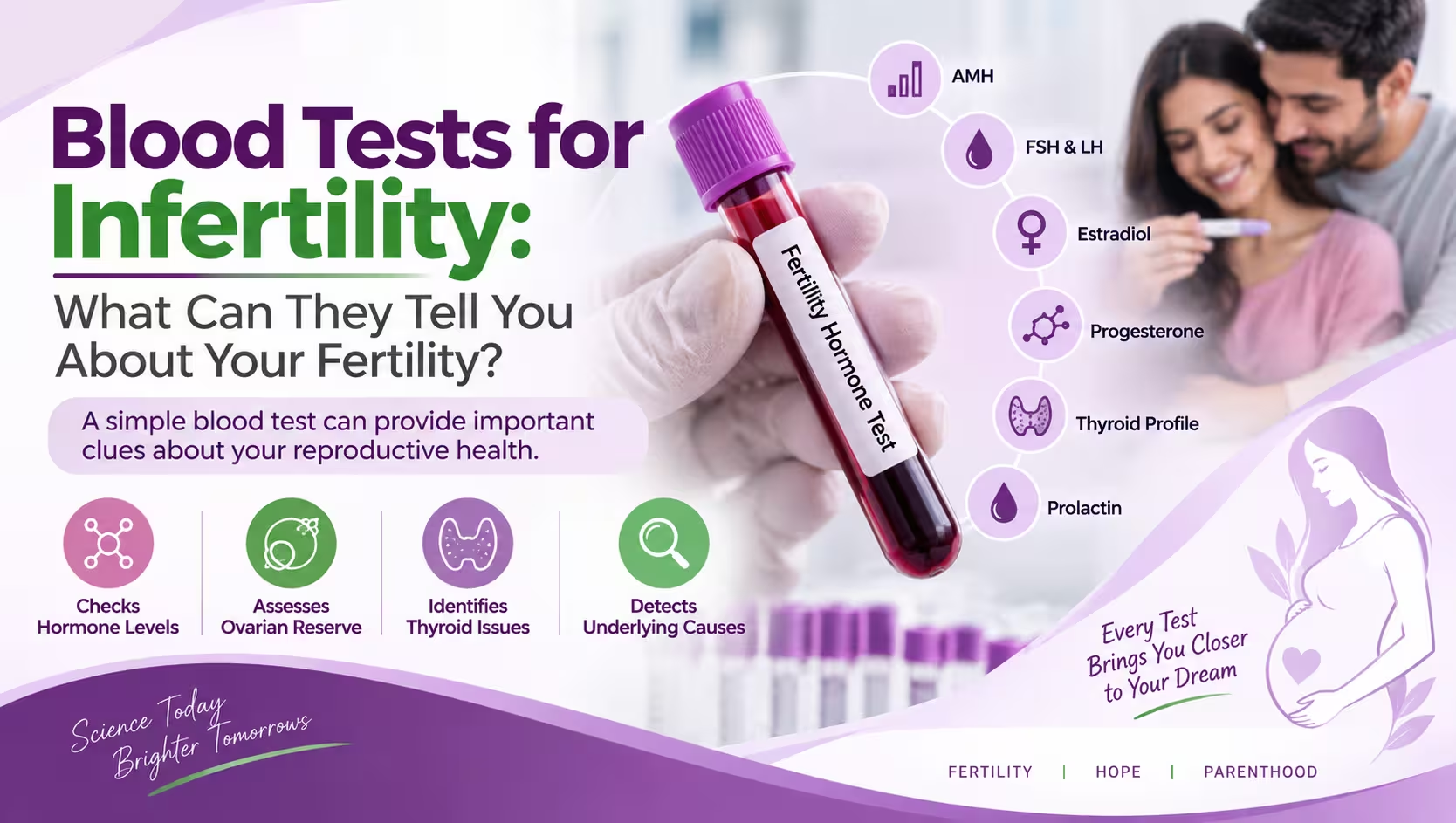
Your fertility specialist may use ultrasound scans and, when appropriate, blood tests to monitor follicle development and your response to the medications, adjusting the treatment according to your individual IVF protocol.
What Are the Different Types of IVF Injections?
1. Ovarian Stimulation Injections
This is one of the first injections used during IVF treatment. These include follicle-stimulating hormone (FSH), and some formulations contain both FSH and luteinizing hormone.
The main function of these injections is to stimulate the production of several follicles by the ovaries. This injection is personalized based on individual factors like ovarian reserve and age.
2. GnRH Antagonist Injections
The use of medications such as Ganirelix or Cetrorelix may also be included during the stimulation of the ovaries. This prevents premature ovulation which would lead to egg release at the wrong time.
The injections of GnRH antagonists depend on the IVF protocol and follicle development.
3. GnRH Agonist Injections
GnRH agonists such as leuprolide are sometimes used in some IVF cycles to control hormone signaling and delay premature ovulation.
These drugs are not always necessary for every cycle of IVF. The treatment protocol is chosen according to your unique needs for fertility treatment.
4. IVF Trigger Shot
IVF trigger shots are administered once the follicles are ready for egg retrieval. They help finish the maturation of the eggs.
The type of trigger (hCG or GnRH agonist) depends on the protocol and individual conditions.
The timing is especially crucial here as egg retrieval is done according to the exact time of the trigger injection.
5. Progesterone Injections
Progesterone helps prepare the uterine lining after ovulation and is used in luteal phase support in fertility treatments.
There are various ways to take progesterone, but not all patients need progesterone injections.
How Many Injections Are Needed for IVF?
Most women need between 10 and 30 injections during a standard IVF cycle. However, the exact number can vary from person to person depending on factors such as age, ovarian reserve, response to fertility medications, dosage, and the specific treatment plan prescribed by the doctor.
The number of injections may also depend on the IVF protocol and whether additional medications are needed during different stages of treatment.
Factors that can influence the number of IVF injections include:
- Age and ovarian reserve
- Individual response to stimulation medications
- IVF treatment protocol
- Medication type and dosage
- Number of developing follicles
- Need for medications to prevent premature ovulation
- Fresh or frozen embryo transfer plan
Ovarian stimulation injections commonly continue for several days before the trigger injection, but the exact duration and number of injections are individualized according to the treatment response.
IVF Injection Schedule
A simplified IVF injection schedule may look like this:
Not every patient receives all these injections. Your fertility specialist will create a schedule based on your ovarian response and treatment protocol.
What Are the Common Side Effects of IVF Injections?
Some females may encounter temporary side effects from fertility medications. Such side effects include the following:
- Redness and pain at the injection site
- Bloating
- Breast tenderness
- Headache
- Change in mood
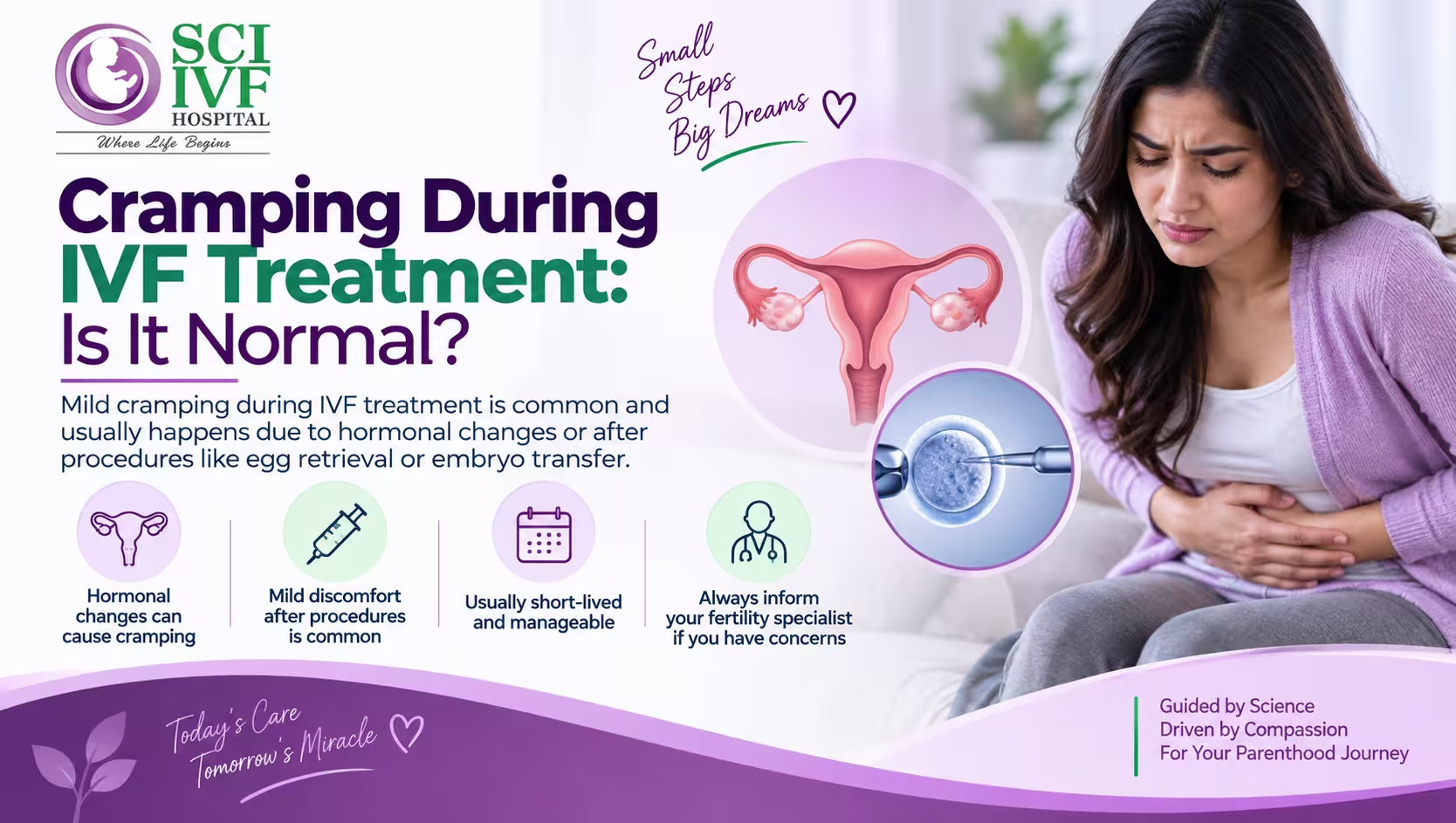
- Discomfort in the abdomen/pelvis
The enlargement of the ovaries due to the presence of numerous follicles can cause the sensation of heaviness or discomfort.
Do IVF Injections Increase the Chances of Pregnancy?
IVF injections can help improve the chances of pregnancy by stimulating the ovaries to produce multiple mature eggs at once instead of just one. Having multiple eggs available for retrieval can provide more opportunities for fertilization and embryo development during an IVF cycle.
However, more injections or higher medication doses do not necessarily mean a higher chance of pregnancy. IVF outcomes depend on several factors, including the number and quality of eggs and embryos, age, ovarian response, and the individual treatment plan. The goal of IVF medication is to achieve an appropriate ovarian response while minimizing potential risks and complications.
Are IVF Injections Safe?
Injections for IVF are regularly done with fertility specialists’ guidance. With regular monitoring using ultrasounds and, in some cases, blood tests, doctors can assess the response of your ovaries and modify their treatment accordingly.
While fertility drugs are administered with relative safety by qualified doctors, there may still be cases wherein complications arise, like OHSS. Following your drug therapy program is part of your treatment.
Conclusion
IVF injections have different functions at various stages of fertility treatment, which include stimulating follicular development, stopping premature ovulation, and inducing final egg maturity and endometrial support if needed.
Since there is no general number of injections, as each IVF protocol is unique to a particular individual’s reproductive system and medication response, it is essential to follow the prescribed schedule of injections and other medications. In case of experiencing intense pain, severe bloating, vomiting, and difficulty breathing while on treatment, get in touch with your fertility specialists immediately.
The SCI IVF Hospital, the best fertility and IVF center in India, offers personalized protocols and medication advice for your fertility treatment.
Frequently Asked Questions
How many injections are necessary for IVF?
It depends on your protocol and medication response, but the standard is 8-12 days of stimulation injections with a trigger injection at the end.
Which injections are associated with IVF?
Injections for IVF include FSH, FSH/LH, GnRH antagonists or agonists, trigger injection, and in some cases even progesterone.
What is the IVF trigger shot?
The shot helps complete final egg maturation prior to the retrieval and it is given exactly 36 hours prior to retrieval.
Are IVF injections painful?
There may be some discomfort at the site along with some redness and soreness, but your clinic will provide you with the technique and instructions on how to administer the needed meds.