Egg Quality Test: Methods, Importance & What Your Results Mean
Have you ever considered how egg quality can impact your ability to conceive? Many women do, and not just because of their age. The quality of an egg is a crucial fertility factor as well.
The egg quality helps play a role in fertilization, developing embryos that could become a pregnancy. Women who experience a normal menstrual cycle may not realize they could have egg quality concerns as well. If this is the case, the information that modern fertility testing has to offer can alert you to your concerns and treat you correctly and promptly.
This is a general guide to how to test the quality of your eggs and will explain the process and possible fertility outcomes of the test.
What is an Egg Quality Test?
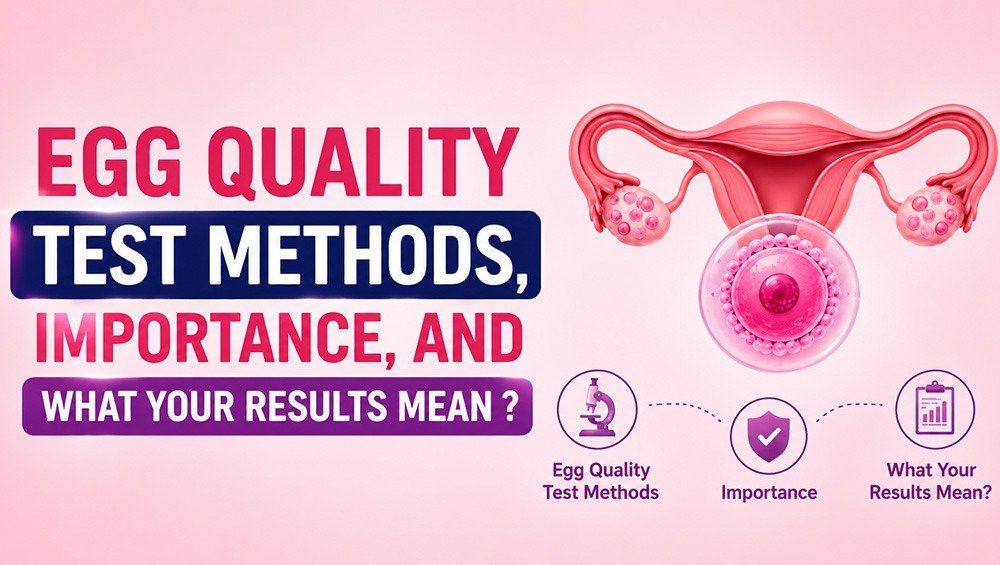
An egg quality test estimates the amount and quality of a woman's eggs. While one particular test does not exist, multiple tests can be combined for an estimate. These can be: ultrasound, blood tests, and an overall medical assessment.
Egg quantity and quality must be understood separately. Egg quantity is the raw number of eggs in an ovarian reserve. Egg quality is the health of those eggs in terms of viability for a healthy pregnancy.
Egg quality tests are frequently prescribed at SCI IVF Hospital for women who plan to conceive, wish to conceive, or who are preparing for IVF.
Why is Egg Quality Important for Pregnancy?
Egg quality affects both conception and the likelihood of a pregnancy being carried to term. High-quality eggs more often:
- Get fertilized successfully
- Develop into a viable embryo
- Successfully implanted in the uterus
- Lead to a viable pregnancy
Low-quality eggs make it less likely to occur and more likely to suffer loss of implantation and loss of pregnancy, or miscarriage.
Egg quality declines with age, and especially after age 35. But age is not the only factor. Hormone issues, stress, smoking, and a history of medical issues can also affect egg quality.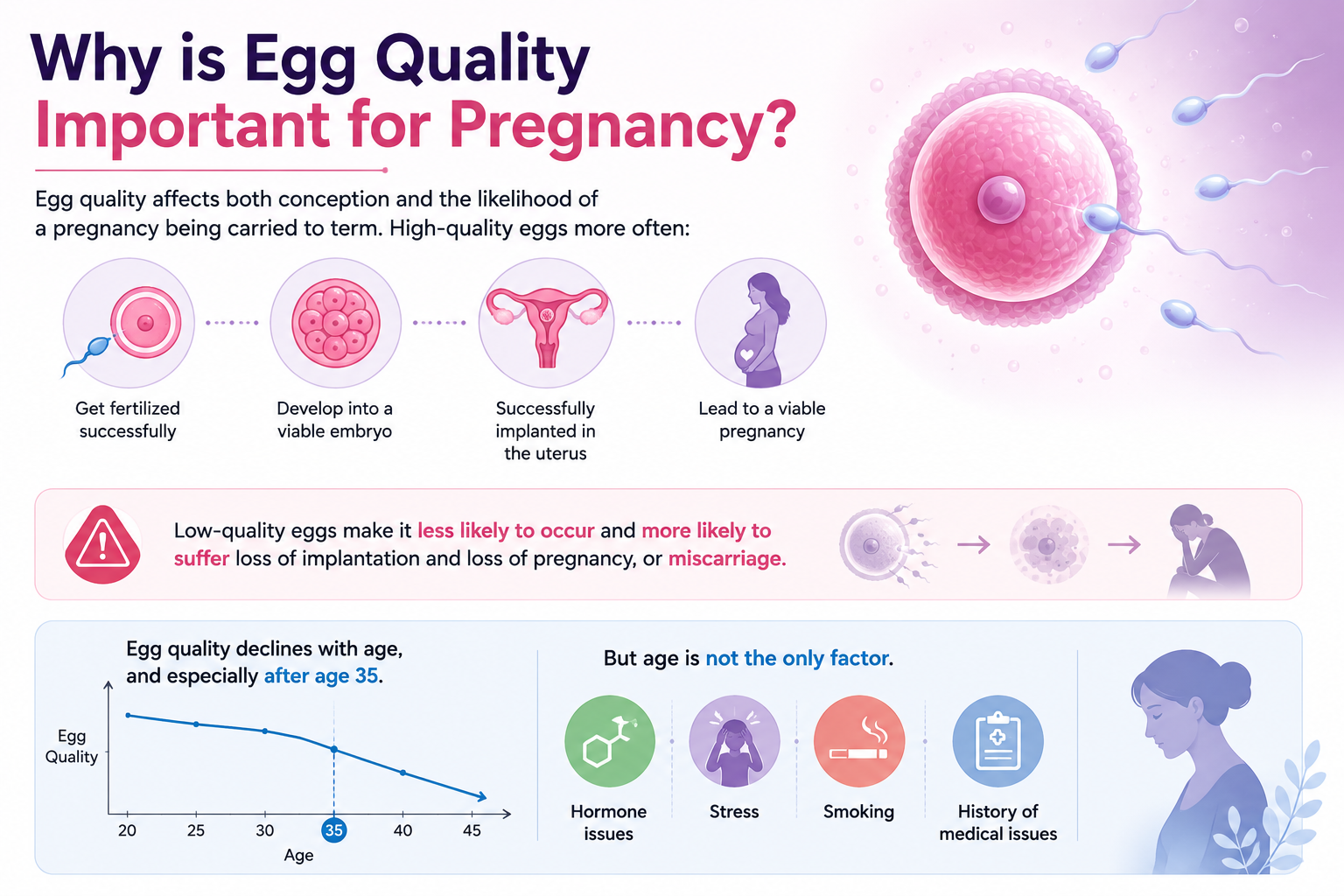
Common Methods Used for Egg Quality Testing
You can't have just one egg quality test. Together, they can indicate ovarian reserve and potential.
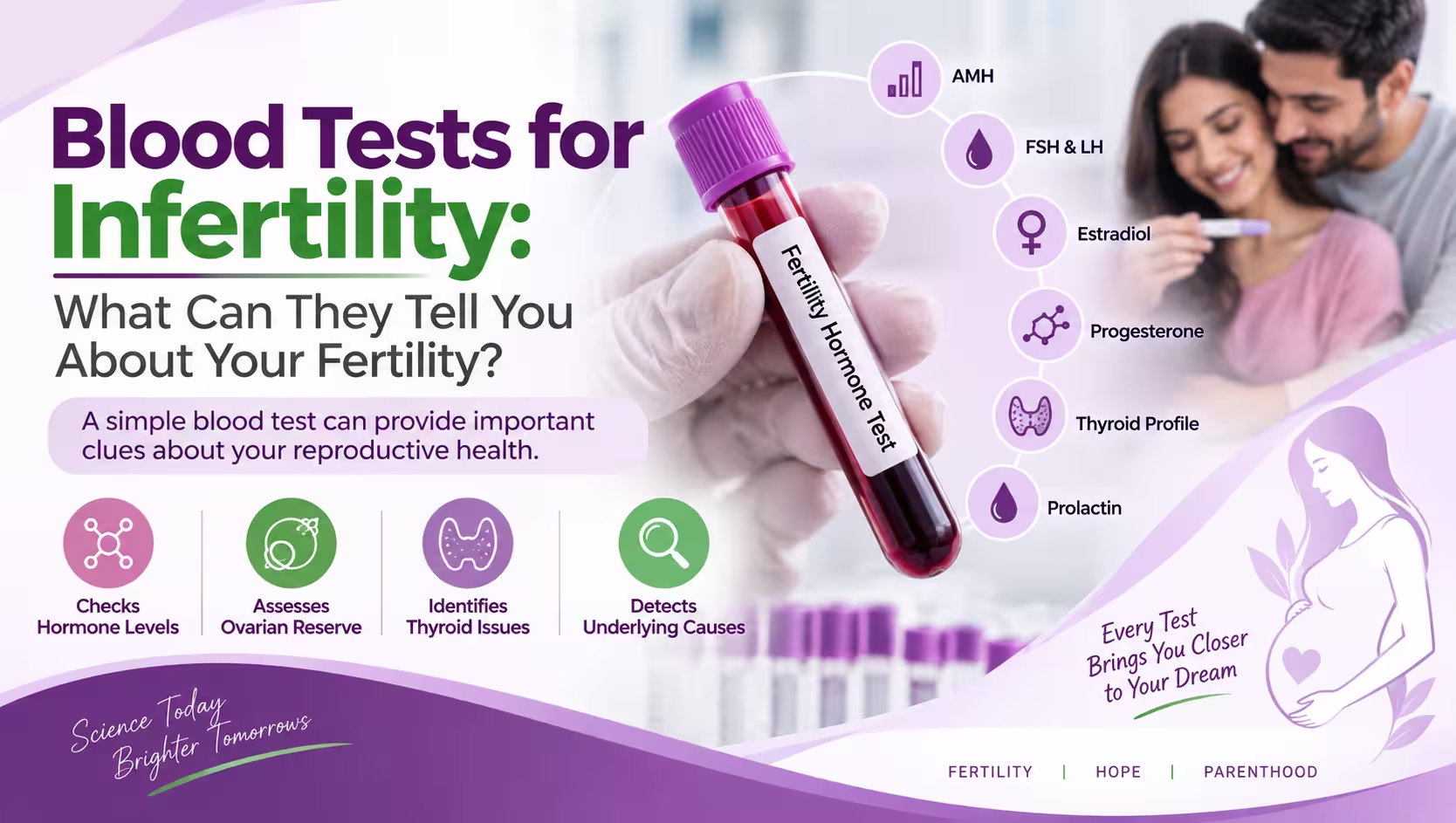
AMH Test (Anti-Müllerian Hormone)
Tests for AMH levels are popular among the suggested fertility tests. These levels correlate with ovarian reserve.
AMH levels and egg reserve
- High AMH means high egg reserve
- Low AMH means low egg reserve
Overall, AMH blood tests are a good measurement to assess fertility potential.
Antral Follicle Count (AFC)
The Antral Follicle Count functions as an ultrasound-based test for counting eggs which determines the quantity of ovarian follicles present in a woman's ovaries.
The follicles hold immature eggs and medical professionals use the follicle count to assess a woman's ovarian reserve capacity. The follicle count shows better results when it exceeds normal levels, which demonstrates improved fertility treatment outcomes.
Follicle Stimulating Hormone (FSH Test )
The blood test determines a person's Follicle Stimulating Hormone levels, which healthcare providers usually test on either the second or third day of a woman's menstrual cycle.
Women with elevated FSH levels demonstrate increased ovarian activity, which results in egg production; however, this condition decreases their chances of achieving a successful pregnancy.
Estradiol Test
Estradiol functions as one of the estrogen hormones. Doctors use estradiol measurements to evaluate both ovarian activity and hormonal equilibrium.
The complete assessment of fertility requires the interpretation of this test together with AMH and FSH results.
Ultrasound Evaluation
Ultrasound scans assist specialists in their assessment of ovarian structures and follicle development and complete reproductive system health.
Advanced ultrasound monitoring at SCI IVF enables precise assessment of fertility and the development of treatment strategies.
How to Check Egg Quality in Females?
It is often seen that women go looking for information on checking egg quality in women through search engines, but it must be noted that fertility assessment involves many tests, not one alone.
The following are generally tested:
- AMH levels
- Antral follicle count
- Hormonal profile
- Age and menstrual background
- Ultrasound results
Other things like lifestyle habits and medical conditions are also taken into account.
Here at SCI IVF Hospital, we help you understand your reproductive capabilities by testing all these factors.
What Do Egg Quality Test Results Mean?
Although receiving fertility test results can be nerve-wracking, it is critical to interpret them correctly.
Normal Ovarian Reserve
When AMH and follicle count are normal, then you have normal ovarian reserve and improved fertility capability.
Poor Ovarian Reserve
Low levels of AMH or poor follicle count could mean that you have a reduced number of eggs. This doesn’t necessarily mean infertility, as many people with poor ovarian reserve conceive normally or with the help of assisted reproduction.
Poor Egg Count
Low egg count could affect your treatment, although personalized fertility treatments can improve chances for pregnancy.
When Should You Get an Egg Fertility Test?
Egg Fertility Test Considerations:
- If you are over the age of 30-35 years.
- If you have failed to conceive despite trying.
- If your menstrual cycle is irregular.
- If your family has a history of premature menopause.
- If you plan on delaying pregnancy.
- If you are planning to go through IVF.
Early testing will ensure that you can make proper plans regarding fertility.
How SCI IVF Hospital Helps Assess Female Fertility
SCI IVF Hospital is a trusted fertility center offering advanced fertility testing and personalized reproductive care. Our fertility specialists evaluate ovarian function, hormone levels, ovulation patterns, and overall reproductive health to identify potential fertility concerns.
Based on the results, they create individualized treatment plans and guide patients toward the most suitable fertility options. Whether you are trying to conceive naturally or planning IVF, early fertility assessment can help improve your chances of a successful pregnancy
Conclusion
Egg quality plays a crucial role in fertility and the chances of a successful pregnancy. While there is no single test that can directly measure egg quality, a combination of hormone tests and ultrasound evaluations can provide valuable insights into ovarian reserve and reproductive health. Early fertility assessment can help identify potential concerns and support timely treatment planning.
If you are experiencing fertility challenges or planning a pregnancy, seeking expert guidance can make a significant difference. SCI IVF Hospital, a trusted fertility center in India, offers comprehensive fertility evaluations and personalized care to help couples take confident steps toward parenthood.