Itching During Pregnancy
It's pretty common to get itchy skin during pregnancy. Some women just get some irritation that comes and goes and is pretty mild, but other women experience it to the discomforting range, and it can be a worse issue.
Itchy skin is typically normal and caused by changes to the body, and usually is nothing to worry about. Skin can feel itchier due to stretch marks, circulation, and hormones as well.
It is important to know the possible causes and warning signs of itchy skin to keep you and your baby healthy. This blog post is going to talk about the reasons skin itches when pregnant, skin conditions that cause itching, and some safe itching relief. We’re also going to talk about some warning signs and when you should actually see a doctor.
Is Itching Normal During Pregnancy?
Itchy skin is normal while pregnant and gets worse during the second and third trimesters. There are a lot of hormonal and physical changes happening. Your skin is also changing and can make you itchy.
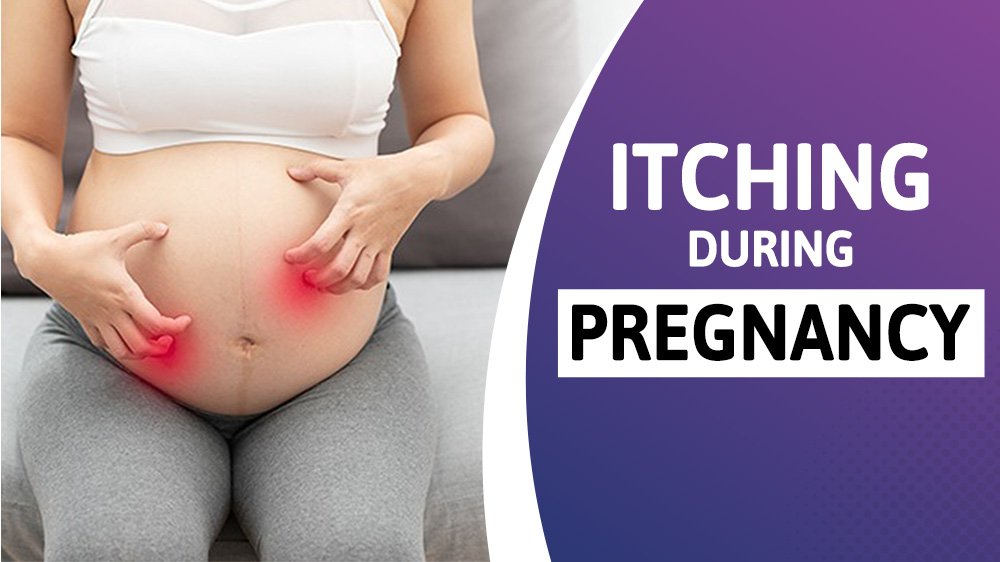
Itching can often be caused by the skin stretching. Your baby's growth makes your tummy expand even more. This can irritate your skin and dryness can also cause irritation to your skin and cause more itchiness. This is common around your growing belly. You may also be more sensitive during this time due to hormonal changes.
Irritation is normal around your belly, breast, legs, arms and even your back. The itchiness is mostly mild and without a rash. If you notice any persistent itching or it is severe, you should make a point to see your gynaecologist.
Why Does Itching Occur During Pregnancy?
Pregnancy can cause many different natural changes in the body, and some changes can result in itchy skin. Knowing the reasoning can help mothers cope with discomfort more effectively.
Changes in Hormones
An increase in both the levels of Estrogen and Progesterone causes changes in sensitivity, dryness, and even irritation of the skin, leading to itchy skin.
Evolving Skin
Throughout the entire process of pregnancy, a woman’s abdomen will grow and evolve to create a comfortable space for the baby. The stretching of skin creates a tight sensation, which can cause a woman to feel itchy, especially in the later stages of pregnancy.
Flow of Blood
During pregnancy, the body has to pump more blood to the baby to help them grow. The increase in blood circulation causes the skin to experience a slight irritation, which can also result in itchy skin.
Dry Skin
During pregnancy, some women’s skin may experience more dryness, which can result in itchiness, irritation, and dry skin. This symptom is more prevalent in the winter months. Miniaturization can help alleviate the dryness, which is especially prevalent in the winter months.
Common Skin Conditions That Cause Itching During Pregnancy
Itching while pregnant can sometimes be due to pregnancy-related skin issues.
Polymorphic Eruption of Pregnancy (PUPPP)
PUPPP is when a rash appears that is really itchy. PUPPP often starts from the belly; sometimes it spreads to other parts of the body, including the thighs, arms, and butt. PUPPP is not a big deal, and the best part is that it goes away after having the baby!
Atopic Eruption of Pregnancy
This skin issue is similar to eczema and may take the form while the woman is pregnant. It can include red, itchy, and dry skin. It especially affects the face, neck, and arms, and sometimes the chest. Women who have a history of eczema are more likely to get this condition while pregnant.
Prurigo of Pregnancy
The bump-like symptoms of this condition can last for weeks. Pregnancy-related prurigo can also result in severe itching, but overall, the condition is harmless. The small, itchy bumps can appear on the arms, legs, and stomach.
Yeast Infection
Changes in hormones can also cause an increase in the likelihood of yeast infections during pregnancy. Symptoms of vaginal yeast infections can include abnormal discharge, itching, irritation of the vaginal area, and redness.
When Can Itching Be a Serious Problem?
Most itching during pregnancy is normal, but extreme cases could be a more serious problem known as intrahepatic cholestasis of pregnancy (ICP).
Cholestasis happens when the flow of digestive liquid, known as bile, is released from the liver is disrupted. When this happens, bile gets released into the bloodstream, causing extreme itching.
Most pregnancy itching can cause rashes, but itching due to cholestasis happens without this, and most often occurs on the palms and soles of feet, and is worse during the night.
If left untreated, cholestasis can cause complications for the baby, so medical attention is needed.
Symptoms That Should Not Be Ignored
Sometimes during pregnancy, a little bit of itching is common. Those who experience more extreme itching will need to speak with a gynaecologist. Here are some warning signs of more serious itching.
- Persistent itching
- Itching when no rash is present
- Extreme itching on the palms of your hands or the soles of your feet
- Itching that is worse at night
- Skin or eyeball yellowing
- Urine is dark, but stool is pale
Consult with a gynecologist in order to determine whether or not you have worse conditions, like cholestasis.
How to Relieve Itching During Pregnancy
If your skin itches a little, you can do some simple changes in your daily life and skin care to help stop the itching.
Here are some ideas:
- Use a moisturizer that has no scent
- Put on some loose and breathable cotton clothes
- Take a lukewarm shower instead of a hot, steamy bath
- Stay away from strong soap and smelly skin care stuff
- Drink a lot of water
- Keep your room cooler to help your skin not itch so much
By following these ideas, you can help your skin not feel so dry, and it will probably stop itching so much.
Medical Treatments for Pregnancy Itching
An underlying cause will determine if an itch will require medical attention.
- Medicated moisturizers or soothing lotions
- Antihistamines to reduce itching
- Topical steroid creams for certain skin conditions
- Medications to manage cholestasis if diagnosed
For cholestasis, Gynaecologist recommend blood work and close monitoring of the mother and baby to ensure safe management of the mother.
Self-treatment, if it's an itch, would not work during a pregnancy and will not work in this case. It would be safe to wait for counsel.
Conclusion
Have you noticed any itching while pregnant? It is a common experience caused by natural changes to the body. Body changes like hormones, blood flow, and the way skin is stretched.
Usually, itchy skin isn't harmful. It can be helped by a good skin care routine, more water, and some other small changes. Itching can be harmful if it's serious, especially if it's on the hands and feet. This can mean something called cholestasis of pregnancy, which is something that must be checked by a specialists.
Consult the SCI IVF hospital, the best IVF hospital in India, if you are worried about any pregnancy symptoms, as it offers advanced fertility care and comprehensive services during pregnancy.