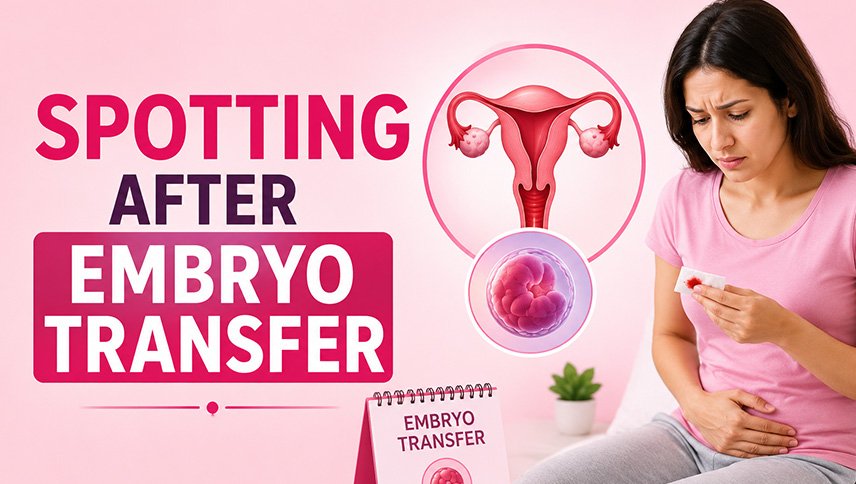
Spotting After Embryo Transfer
Waiting for pregnancy test results after an embryo transfer can be one of the most emotional stages of the IVF journey. It is natural to feel concerned if you notice any spotting, bleeding, or unusual discharge during this time. However, spotting after embryo transfer is quite common and is reported in up to a quarter of IVF pregnancies.
In many cases, light spotting is caused by cervical irritation from the embryo transfer procedure, hormonal changes from fertility medications, or the implantation process itself, when the embryo attaches to the uterine lining. Implantation bleeding after embryo transfer is usually light pink or brown in color and is rarely a cause for concern.
In this article, we'll discuss the common causes of spotting after embryo transfer, how to differentiate it from bleeding after embryo transfer, what normal discharge after embryo transfer looks like, and when you should contact your fertility specialist.
Is Spotting After Embryo Transfer Normal?
Seeing spotting after an embryo transfer can be worrying, especially when you're waiting for your pregnancy test results. However, light spotting after embryo transfer is quite common and, in many cases, is not a sign that something is wrong. It can happen for several reasons, including implantation, hormonal changes, or mild irritation caused by the procedure itself.
Implantation Bleeding After Embryo Transfer
One possible reason for spotting is implantation bleeding. After the embryo is transferred, it needs to attach to the lining of the uterus to establish a pregnancy. During this process, tiny blood vessels in the uterine lining may break, leading to very light spotting.
Implantation spotting is usually:
- Light pink, brown, or occasionally light red
- Much lighter than a normal period
- Short-lived, often lasting a few hours to a couple of days
- Seen around 6–10 days after embryo transfer, depending on the embryo stage
Some women experience implantation bleeding and go on to have a successful pregnancy, while others may not notice any spotting at all.
Cervical Irritation
During the embryo transfer procedure, a thin catheter is gently passed through the cervix to place the embryo into the uterus. This can sometimes cause minor irritation to the cervix, leading to a small amount of spotting or brown discharge afterward.
This type of spotting is usually mild and settles on its own within a day or two.
Hormonal Medications
After embryo transfer, medications such as progesterone and estrogen are commonly prescribed to support the uterine lining. These hormones can make the cervix more sensitive and may cause light spotting or increased vaginal discharge.
Women using vaginal progesterone supplements may also notice minor irritation or discharge, which is generally harmless.
Early Pregnancy Changes
If implantation has been successful, hormonal changes in early pregnancy can increase blood flow to the cervix and uterus. This may occasionally cause light spotting during the early stages of pregnancy.
Other Possible Causes
Less commonly, spotting may be related to:
- Cervical polyps
- Vaginal infections
- Cervical sensitivity
- Other cervical conditions
If you're unsure about the cause of your spotting, it's always best to speak with your fertility specialist for reassurance and guidance.
Important: Light pink or brown spotting is usually normal after embryo transfer. However, if you experience heavy bleeding similar to a menstrual period, bright red bleeding, severe abdominal pain, intense cramping, dizziness, or fever, contact your fertility clinic immediately.
Bleeding After Embryo Transfer: What's Normal and What's Not?
Not all bleeding after embryo transfer has the same significance.
If you're unsure whether your bleeding is normal, it's always best to contact your fertility clinic rather than making assumptions.
Implantation Bleeding After Embryo Transfer vs Period
Although these differences can help, symptoms alone cannot confirm pregnancy. A beta hCG blood test remains the most accurate way to determine whether implantation has been successful.
Discharge After Embryo Transfer: What's Normal?
Many women also notice increased vaginal discharge following an embryo transfer.
Discharge after embryo transfer may normally be:
- clear
- white or milky
- creamy
- slightly yellow due to the progesterone medication
- odorless
This type of discharge is usually harmless and typically due to hormonal changes or vaginal progesterone supplements.
You should, however, call your doctor if the discharge:
- has a strong or foul smell
- is green or gray
- looks like cottage cheese
- is associated with itching, burning, fever, or pelvic pain
These indicate infection and need treatment.
Spotting After IVF Transfer 25 Days Later: Should You Be Concerned?
Some women experience spotting after IVF transfer 25 days later, particularly if pregnancy has already been confirmed.
Possible reasons include:
- Hormonal changes in early pregnancy
- Cervical sensitivity
- Small collections of blood around the pregnancy (subchorionic hematoma)
- Vaginal examinations
- Occasionally, early pregnancy complications
Although light spotting at this stage can still be normal, it should never be ignored. Inform your fertility specialist so they can determine whether additional evaluation or an ultrasound is needed.
When Should You Contact Your Fertility Specialist?
You should contact your fertility specialist immediately if you experience:
- Heavy bleeding similar to or heavier than a menstrual period
- Large blood clots
- Severe abdominal or pelvic pain
- Fever or chills
- Fainting, dizziness, or weakness
- Continuous bright red bleeding
- Vaginal discharge with a foul or unusual odor
Prompt medical attention can help identify any complications early and ensure you receive appropriate care. If you experience any of these symptoms, consult Dr. Shivani Sachdev Gour, Infertility Specialist, or your fertility care team for timely evaluation and guidance throughout your IVF journey.
What Should You Do If You Notice Spotting After Embryo Transfer?
If bleeding occurs:
- Stay relaxed. Light bleeding is often normal.
- Continue all IVF medications.
- Progesterone and estrogen may only be stopped at the direction of the doctor.
- Physical activity and lifting should be kept to a minimum.
- Note the quantity and color of the bleeding.
- Do not cancel or reschedule the beta hCG blood test.
- If the bleeding and symptoms increase, then call the fertility clinic.
Conclusion
Light spotting after embryo transfer can be stressful, but in most cases, it is a normal part of the IVF journey. Spotting may occur due to the embryo transfer procedure, hormonal medications, or implantation bleeding as the embryo attaches to the uterine lining.
Similarly, mild discharge after embryo transfer is often caused by hormonal changes and is usually not a reason for concern. The most important thing is to continue taking your prescribed medications, avoid making assumptions based on symptoms alone, and attend your scheduled pregnancy blood test for accurate results.
However, if you experience heavy bleeding, severe pain, or any other concerning symptoms, seek medical attention promptly. At SCI IVF Hospital, a leading Fertility Center in India, our experienced fertility specialists provide personalized care, expert guidance, and compassionate support throughout every stage of your IVF journey, helping you move forward with confidence and hope.
Frequently Asked Questions
Is spotting after embryo transfer a good sign?
In some cases spotting can indicate bleeding due to implantation, but spotting alone cannot confirm a pregnancy.
Is bleeding after embryo transfer indicative of IVF failure?
No. Several IVF pregnancies can be successful even if there was light spotting or bleeding.
Is there implantation bleeding after embryo transfer for all women?
No. Many women do not have implantation bleeding and go on to have successful pregnancies.
Can spotting after embryo transfer be caused by Progesterone?
Yes. When used vaginally, Progesterone can cause spotting even due to the sensitivity of the cervix.
When can the pregnancy test be taken after embryo transfer?
The fertility specialist can provide the best guidance for this, but the standard recommendation is a beta hCG blood test 10–14 days after the embryo transfer.