Test Tube Baby Process & Cost: Complete Guide
A test tube baby is a commonly used term for a child born through In-Vitro Fertilization. means the egg and sperm get fertilized outside of the woman's body, and in a lab, and afterwards, the embryo is implanted into the woman's uterus. The whole procedure is medically termed as IVF.
IVF, however, today is regarded as a trustworthy and globally accepted method for treating infertility. By doing so, in this way, millions of couples from every corner of the earth have turned into parents. The economic and predictable nature of IVF has now been enhanced through the implementation of superior medical protocols, the establishment of advanced labs, and the attainment of higher success rates.
This blog will guide you through the entire test tube baby process step by step, the total cost, necessary add-ons, and common misconceptions, all in a very simple way, so you can make the right choice.
The Test Tube Baby Process: Step-by-Step
The IVF process is meticulously planned and executed through different stages. Every single step is of utmost importance for getting a successful pregnancy.
Phase 1: First Consultation and Tests
A comprehensive consultation kicks off the process. Basic tests for both partners include blood tests, hormone tests, ultrasound scans for the female, and sperm examination for the male. The ensuing reports assist the doctors in recognizing fertility problems and tailoring treatment plans accordingly.
Phase 2: Ovarian Stimulation
For 8–12 days approximately, injections of hormones are the first part of the process of ovarian stimulation that women undergo. These hormones make the ovaries react and produce more than one egg, hence the chances of fertilization get higher. The whole thing is very safe and effective as the egg development is done by taking ultrasounds and blood tests.
Phase 3: Egg Retrieval
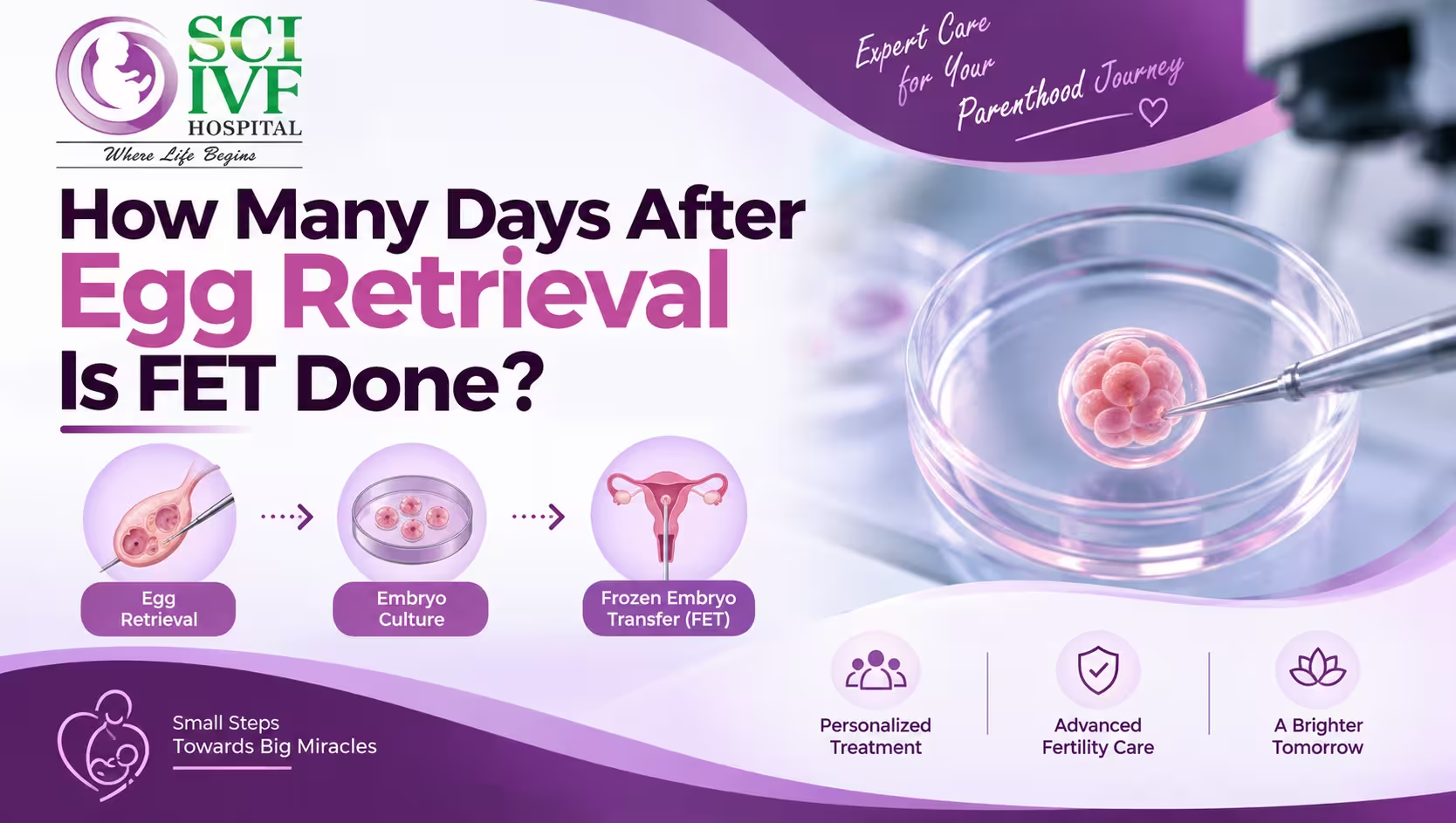
Retrieval is a small surgical intervention through which the mature eggs are removed. It takes about 20 minutes and is performed under light anesthesia; therefore, the patient does not suffer much. Most of the women go back home on the same day.
Phase 4: Fertilization and Lab Culture
In the lab, the egg and the sperm are mixed. When there are very few sperm or the motion is weak, one sperm is injected into the egg using the ICSI process. The embryos develop and are monitored for a few days in the lab.
Phase 5: Embryo Transfer
The best embryo is chosen and slowly placed into the womb via a thin tube. This is an easy and usually painless operation. Doctors often suggest the transfer of one embryo to cut down the chances of multiple births, and yet keep the success rates of pregnancy the same.
Phase 6: The Waiting Period
There is a waiting period of around 10 to 14 days after the embryo transfer. A blood test is performed to detect the presence of pregnancy hormones, thus confirming pregnancy. This period may be psychologically taxing, but the medical teams give their assistance and support all the way.
Cost of Test Tube Baby in India
The cost of one IVF cycle varies based on the location of the clinic where it is done, the age of the patient, and the specific advanced techniques needed for the clinical part.
Factors Affecting IVF Cost
- City and clinic infrastructure
- Fertility medications and dosage
- Number of IVF cycles required
- Advanced lab techniques or testing
It is very important to know the full cost structure so that couples can not only plan their finances but also avoid unexpected expenses in the IVF process.
Advanced Techniques Used in IVF
Modern IVF clinics have resorted to technology in a big way to increase the success rates. One such technology is the AI embryo evaluation, which helps to identify the embryos that have more chances of successful implantation. Genetic screening methods that are non-invasive lower the risks associated with the classic methods of testing. Also, fertility tracking applications could lead to extremely reliable medication alterations by the doctors. So, the fertilizers used may already be for increasing case safety and treatment efficiency.
Busting Common Myths About Test Tube Babies
Myth: Test Tube Babies Are Unnatural
Fact: However, a child born through test tube means, in no way, is less biological and carries the genes of both the parents.
Myth: IVF Is Never a Single Baby Birth
Fact: To protect mother and child, it is typically only one embryo that is transferred.
Myth: The Whole IVF Procedure Is Really Painful
Fact: Almost all treatments are less invasive and are used during the surgery with anesthesia.
Success Factors: What to Ask Your Doctor
Inquire regarding success rates according to age, patient's personalization of treatment, and potential additional costs such as anesthesia or embryo storage. Effective communication raises trust and results.
Conclusion
Test-tube baby treatment has been a miracle for numerous couples who want to be parents. The whole procedure has involved the safest and most successful methods: well-organized care, the use of cutting-edge laboratories, and collaboration with very experienced physicians. In case you want the best fertility treatments, open communication, and patient-oriented practices, then you should go to SCI IVF Hospital because it is here that the cutting-edge technology harmoniously combines with the nurturing support, allowing you to start your family with confidence