What Is USG Report?
If your doctor has recommended a USG (Ultrasonography) scan, you may receive a report containing medical terms that can seem confusing. A USG report or ultrasound report is a medical document that summarizes the findings of an ultrasound scan, a safe and non-invasive imaging test that uses sound waves to create images of internal organs, tissues, or a developing baby during pregnancy.
Prepared by a radiologist or sonographer, the report helps doctors diagnose health conditions, monitor pregnancy, assess fertility, and detect abnormalities. Whether it's a pregnancy ultrasound report, pelvic ultrasound report, or part of an IVF fertility assessment, understanding the basics of a USG report can help you better understand your health and treatment journey.
What Is a USG Report?
A USG report is a documentation of the results from an ultrasound. An ultrasound is a common imaging test that employs high-frequency sound waves to noninvasively capture pictures of the body.
There are imaging tests that employ radiation, like X-rays. Therefore, ultrasound is very safe to be used on pregnant women and for many other medical imaging tests.
A USG report is quite easy to understand. It is a documentation of the observations that the radiologist made during the ultrasound and it aids physicians in making a diagnosis or evaluating the progression of a disease. Depending on the indication, the report may be focused on the scan of the uterus, ovaries, kidneys, liver, gallbladder, the fetus, or any other organ.
What Does an Ultrasound Report Contain?
Ultrasound reports will generally contain the following sections. Although each diagnostic center will format its reports slightly differently, the sections remain the same:
- Patient Information: Personal information and demographics.
- Type of Ultrasound: Indicates which type of ultrasound was performed.
- Clinical History: The reason for the ultrasound as stated by the physician.
- Findings: The descriptions of the ultrasound-scanned organs and/or sites.
- Measurements: The dimensions of organs and tissues of interest.
- Impression: The conclusions drawn from the scanned organs and/or sites.
The impression is significant, but it is not advisable to interpret the section without your physician as the report should be read in total.
Types of USG Reports
The type of report depends on the area of the body being investigated.
Abdominal USG Report
This scan looks at the:
- Liver
- Gallbladder
- Kidneys
- Pancreas
- Spleen
- Urinary bladder
- This test may be ordered to look at problems with abdominal or kidney stones as well as liver and other digestive problems.
Pelvic USG Report
A Pelvic Ultrasound examines the Female Reproductive organs and may include the:
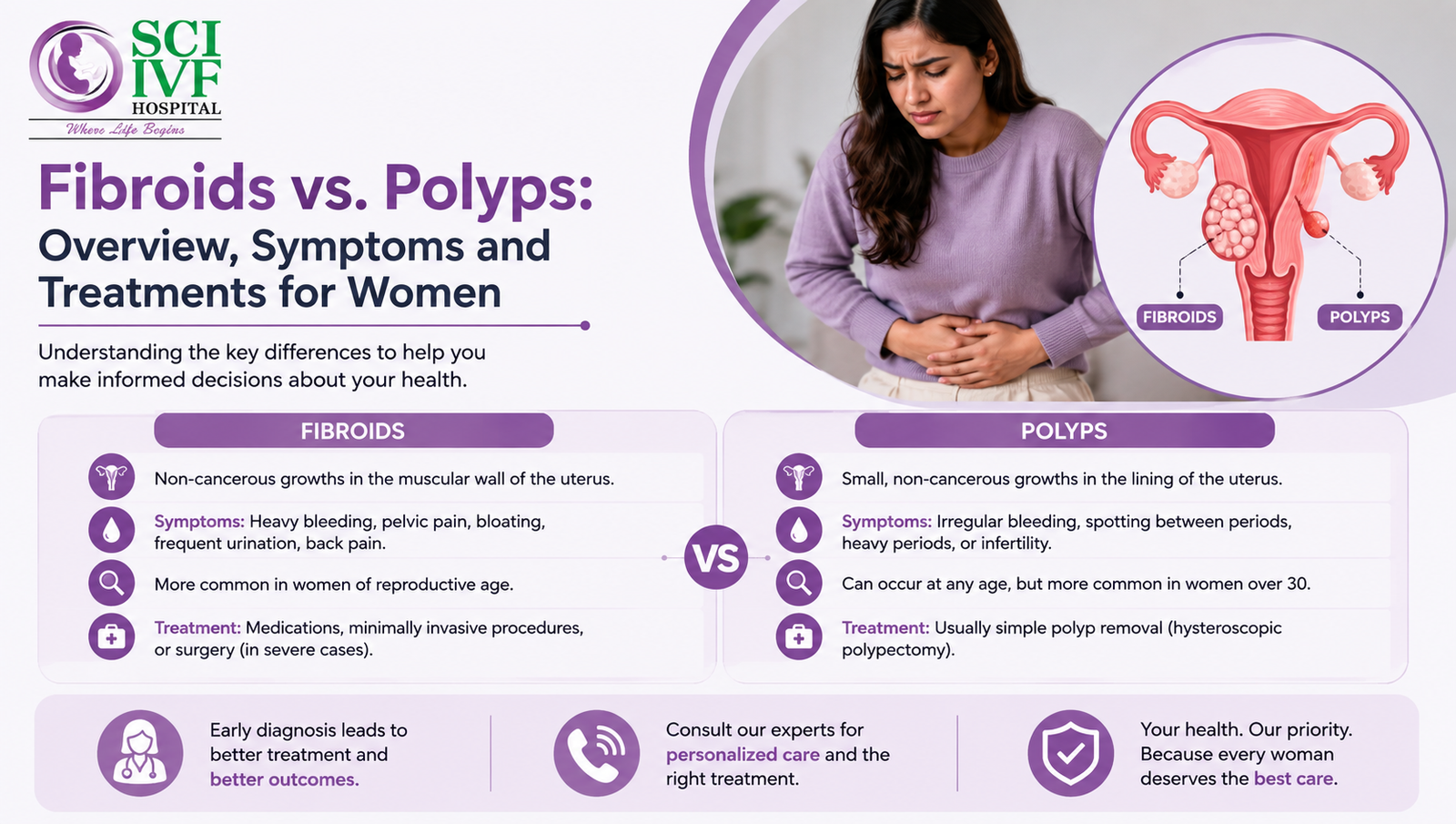
- Uterus
- Ovaries
- Cervix
- Endometrium
This test may be used to examine Ovarian cysts, Uterine fibroids, endometriosis, and Abnormal Uterine Bleeding.
Pregnancy Ultrasound report
Reports during the pregnancy may have;
- Gestational sac
- Fetal heart
- Baby's growth
- Placenta position
- Amniotic fluid level
This report allows the development progress of the baby to the doctors throughout the pregnancy.
Transvaginal USG report
Transvaginal ultrasound provides detailed images of the uterus and ovaries and the specially designed probe is inserted into the vagina.
It is commonly used for
- Early pregnancy evaluation
- Fertility assessment
- Investigating pelvic pain
- Monitoring ovulation during IVF treatment
Common Terms Used in a Sonography Report
Knowing basic terminology will help you understand a sonogram report.
- Echogenicity - How tissues bounce back sound waves.
- Hypoechoic - Appears darker compared to surrounding tissues.
- Hyperechoic - Tissue that is brighter than surrounding tissues because it bounces back sound waves.
- Anechoic - Appears black, typically a simple cyst.
- Follicle - The sac housing a developing ovum.
- Endometrial Thickness - Measurement of the lining of the uterus and is most important during early stages of pregnancy and fertility treatments.
- Gestational Sac - The earliest structure seen during pregnancy on an ultrasound.
- CRL (Crown-Rump Length) - An early pregnancy measurement to estimate the age of the fetus.
While these terms help you understand a report, they won’t necessarily diagnose a problem.
How to Read a USG Report
Only your doctor can correctly analyze the findings, but having an understanding of the general structure of a USG report can help you during the consultation.
Check the Type of Scan
Establish whether it is an abdominal, pelvic, pregnancy, or transvaginal ultrasound.
Review the Findings
This section elaborates on the observations the Radiologist made during the examination.
Look at the Measurements
Measurements of follicles, the endometrium, or fetal measurements are compared against the normative measurements based on the age, cycle length, or the gestation period.
Read the Impression
This section summarizes all other sections and typically states that the scan is normal or notes the abnormalities or findings that need further analysis.
Do not come to your own conclusions from the report; you must always discuss the findings with the doctor.
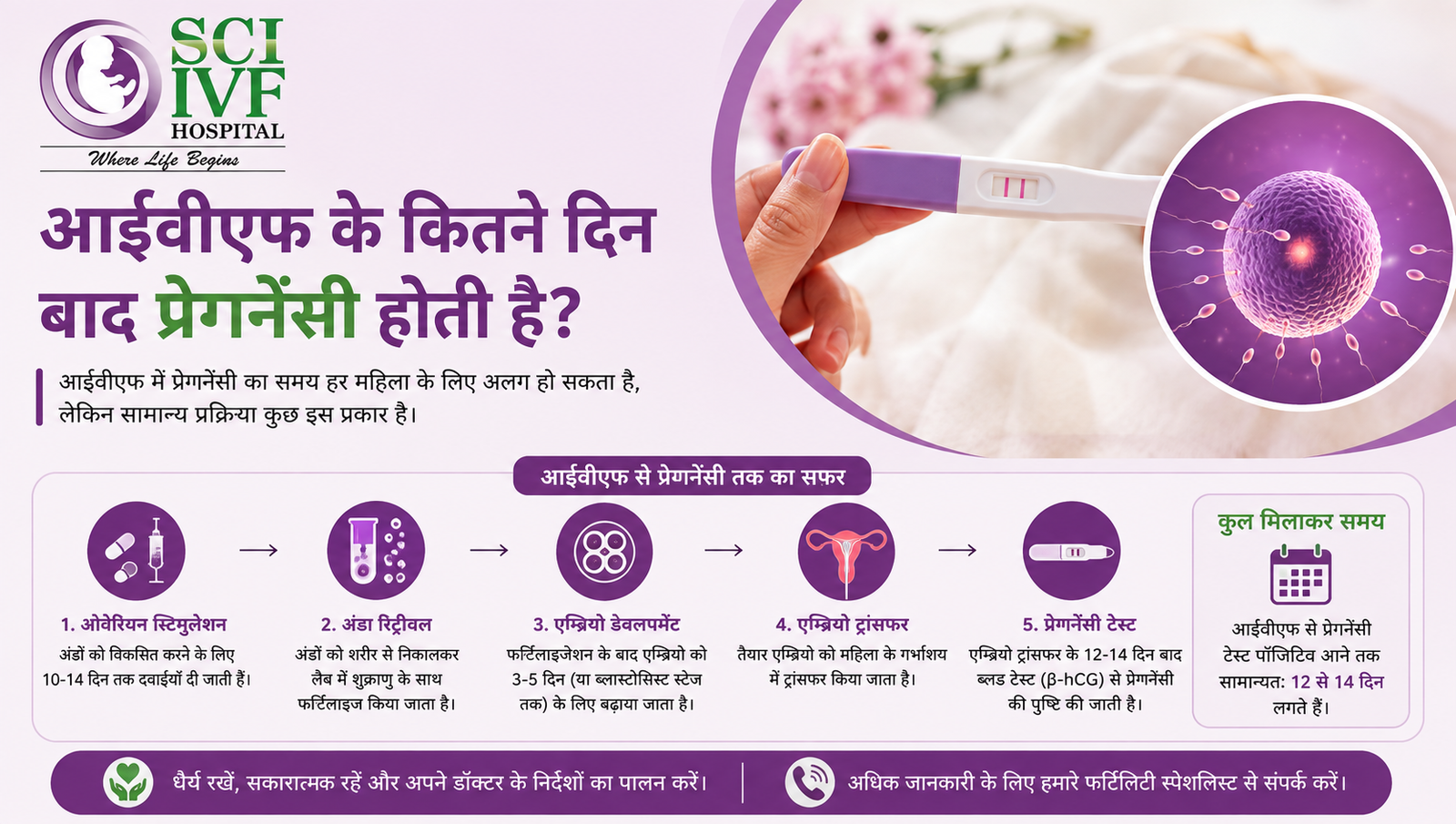
Why Is a USG Report Important During IVF Treatment?
Ultrasound is one of the most important investigations during fertility treatment because it is a key part all throughout the IVF process.
Your IVF specialist may need to conduct an ultrasound to:
- Look at the ovarian reserve before treatment
- Monitor the follicle during the ovarian stimulation phase
- Look at the thickness of the uterus lining before embryo transfer
- Pick the optimal time for egg retrieval
- Check for pregnancy after the IVF process
- Monitor the baby during the first trimester of pregnancy
By using ultrasound in the IVF process, your specialist will be able to adjust the medication to optimize the chance of a positive pregnancy.
What Does a Normal USG Report Mean?
Typically a sonogram report states the organs scanned are healthy and show no disturbing findings.
A normal report for women who are having a fertility evaluation may show
- Normal Uterus
- Normal Ovaries
- Normal Follicles
- Normal Endometrial Thickness
- No Significant Cysts or Fibroids
But what is considered “normal” may change with age, the phase of the menstrual cycle, the stage of pregnancy, and the clinical history of the patient. Your doctor will let you know what the results mean with respect to your health.
Can a USG Report Detect Every Medical Condition?
No. While ultrasound is an excellent imaging tool, it has limitations.
Some conditions may require additional investigations such as:
- Blood tests
- MRI
- CT scan
- Hysteroscopy
- Biopsy
Your doctor may recommend further tests if the ultrasound findings are unclear or if your symptoms persist despite a normal report.
When Should You Consult a Doctor?
The USG report should be discussed with the physician in the presence of:
- Ovarian cysts
- Uterine fibroids
- Thickened endometrium
- Issues related to pregnancy
- Abnormal Fetal Growth
- Pelvic masses
- Kidney stones
- Any other abnormal findings in the impression
Also, if you have severe pain, bleeding that is heavier than normal, or symptoms that are persistent and the report is normal, you should also consult a physician.
Conclusion
A USG report provides important details about your health if you are being looked at for concerns about your abdomen, pregnancy or if you are undergoing fertility treatment. Familiarizing yourself with some terminology might make you feel more educated about your health, but the report should never be interpreted by itself.
A diagnosis or treatment recommendation by your physician will take your symptoms, history, and any other results into consideration. When undergoing fertility treatment or when pregnancy is being considered, the importance of ultrasound is magnified by the focus on the outcome.
The dedicated and experienced Fertility team at SCI IVF Hospital uses the most up-to-date and advanced technology with Ultrasound to ensure the best outcome at every step of your fertility journey.
Frequently Asked Questions
Is a USG report the same as an ultrasound report?
Yes, they are the same. A USG report, ultrasound report, and sonography report refer to written documents for ultrasound examinations.
What is the meaning of a USG report?
A USG report consists of findings based on an ultrasound scan and is helpful for doctors to provide a diagnosis and assist with the follow-up for different medical conditions.
Can I understand my USG report without a doctor?
You can know a few things, but no one will know better than a doctor to provide context to the report based on your medical history and your current symptoms.
Is ultrasound safe during pregnancy?
Yes, ultrasound is a safe procedure as it uses sound waves and unlike other imaging techniques does not require radiation, and is safe as long as qualified healthcare practitioners are performing the procedure.
Why are repeated ultrasounds done during IVF?
Numerous ultrasound scans are required to assess follicle growth, the lining of the uterus, the timing to retrieve eggs, preparation for transfer of the embryo, and the subsequent early stages of pregnancy.