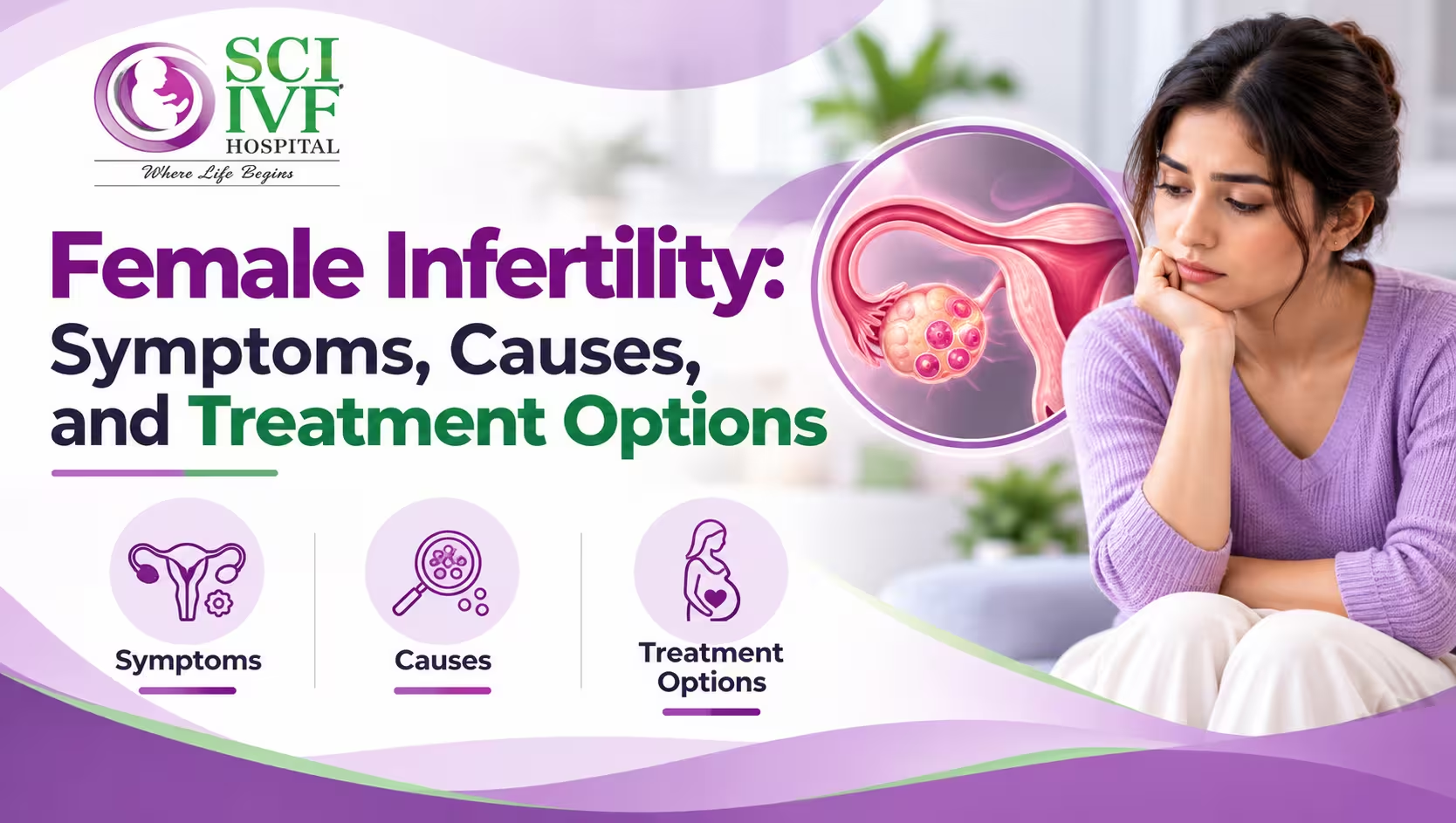
Female Infertility: Symptoms, Causes, and Treatment Options
Female infertility is defined as the inability to conceive after 12 months of regular, unprotected sex (or 6 months for women aged 35 and older). Key signs include irregular or absent periods, severe pelvic pain, and hormonal imbalances. Common causes involve ovulation disorders, blocked fallopian tubes, endometriosis, and age-related egg decline.
What Is Female Infertility?
Female infertility is the inability to achieve a pregnancy after 12 months of regular, unprotected sexual intercourse, or after 6 months for women aged 35 years or older.
It can be classified as primary infertility when a woman has never been pregnant and secondary infertility when she has difficulty conceiving again after a previous pregnancy. Infertility may be associated with ovulation disorders, fallopian tube problems, uterine conditions, age-related changes, or other reproductive health factors.
What Are the Common Symptoms of Female Infertility?
Infertility can be defined by the ability to conceive. There are, however, some symptoms that may appear in women who may have a reproductive system problem.
- Unusual menstruation: If one has abnormal menstruation in terms of duration, regularity, or absence of menstruation, this is usually a symptom of an infertility disorder.
- Menstrual cramps or bleeding: These symptoms can sometimes occur due to some disorders such as endometriosis or uterine fibroids.
- Hormonal imbalances: Inability to stop excessive growth of hair or acne, as well as unusual breast milk secretion, are signs of hormonal imbalance.
- Sexual intercourse pain: Some women suffer from pain during sexual intercourse and this may be due to endometriosis or other pelvic problems.
- Inability to conceive: The inability to conceive after unprotected intercourse for several months is one of the reasons to seek help.
Not all women having some of the above-listed symptoms are infertile.
What Are the Main Causes of Female Infertility?
There are various causes for female infertility. Identifying the cause helps the fertility specialist to find the best course of treatment.
1. Ovulation Disorders and PCOS
Ovulation involves the release of an egg from the ovary. Failure of regular ovulation or lack of it makes it difficult for conception to take place. Polycystic Ovary Syndrome is one such problem that interferes with regular ovulation and causes hormonal imbalances.
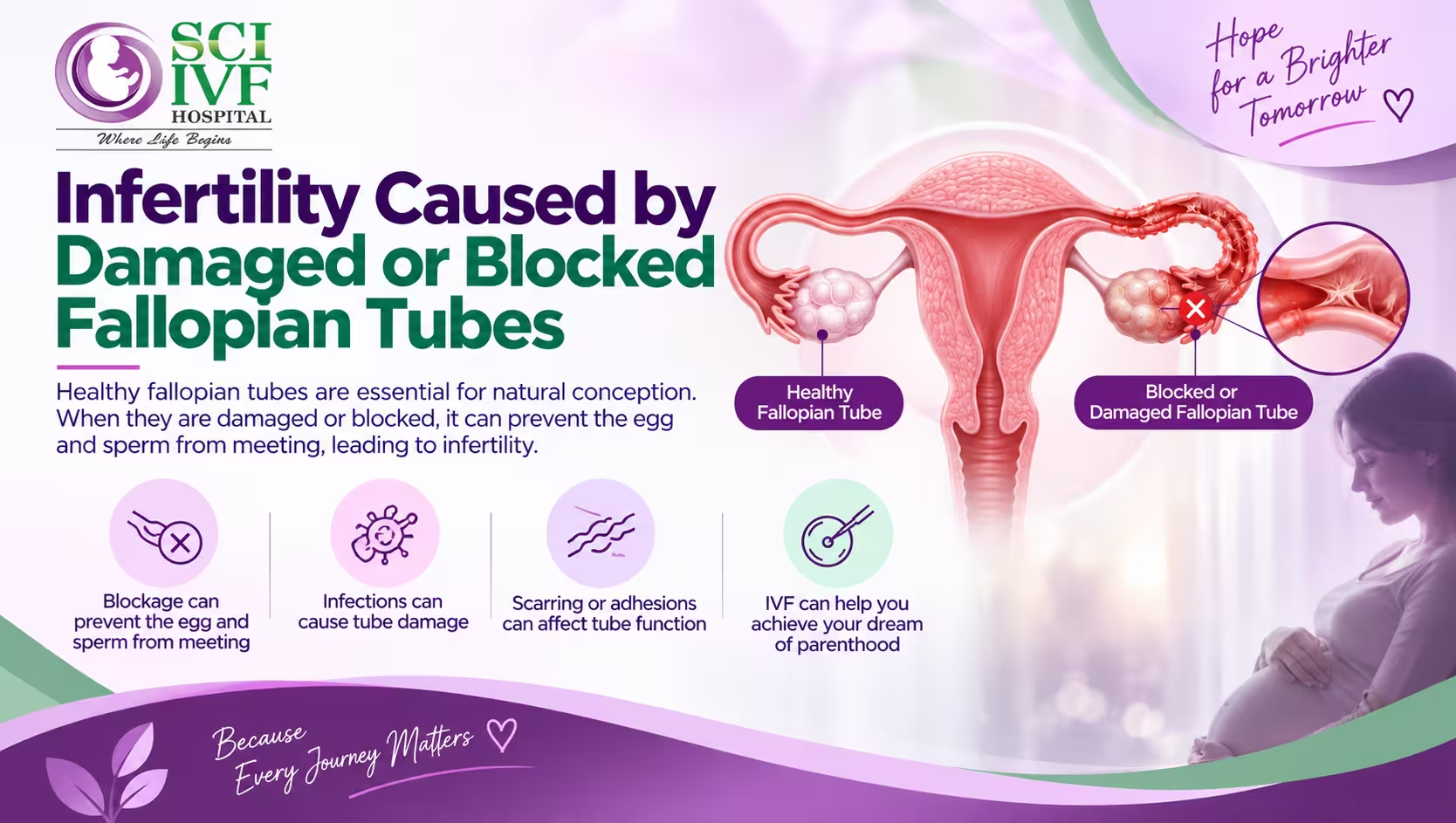
2. Blocked Fallopian Tubes
The fallopian tube is where the egg travels to reach the uterus. Certain infections in the pelvic area or even sexually transmitted infections, endometriosis and past surgeries could lead to scarring and obstruction to the passage of the egg and sperm.
3. Endometriosis
In this condition, cells similar to the uterine lining grow outside the uterus. This condition could result in pelvic pain, painful menstrual periods and inflammation.
4. Uterine Fibroids and Polyps
Fibroids are growths in or around the uterus while polyps grow out of the uterine lining. Based on the location and size of fibroids, pregnancy could be hampered.
5. Hormonal Imbalances and Thyroid Problems
The hormones aid in regulating the process of ovulation and the menstrual cycle. Disorders of the thyroid glands and other hormonal problems can interrupt the process, thus causing infertility.
6. Age and Reduced Ovarian Reserve
The age of a woman affects her ability to conceive as the number of eggs available becomes lower and lower along with their quality. The problem became especially prominent in the late 30s. However, the reduced ovarian reserve does not necessarily mean the inability to get pregnant.
7. Unexplained Infertility
In case the cause of difficulty with conception cannot be determined even after standard investigation of fertility issues, the condition is called unexplained infertility.
Risk Factors That May Affect Female Fertility
- Some of the risk factors that can contribute to infertility include the following:
- Increased age, especially beyond 35 years old.
- Smoking and alcohol abuse.
- Being either too thin or too heavy.
- Some medical conditions.
- Pelvic infection or reproductive surgeries in the past.
- Chances of infertility due to cancer treatment.
The presence of one or all of these risk factors does not necessarily imply that the patient suffers from infertility.
How Is Female Infertility Diagnosed?
A fertility doctor will perform different tests based on the woman’s age, symptoms, medical history, and the period she has been trying to conceive.
Some common tests include:
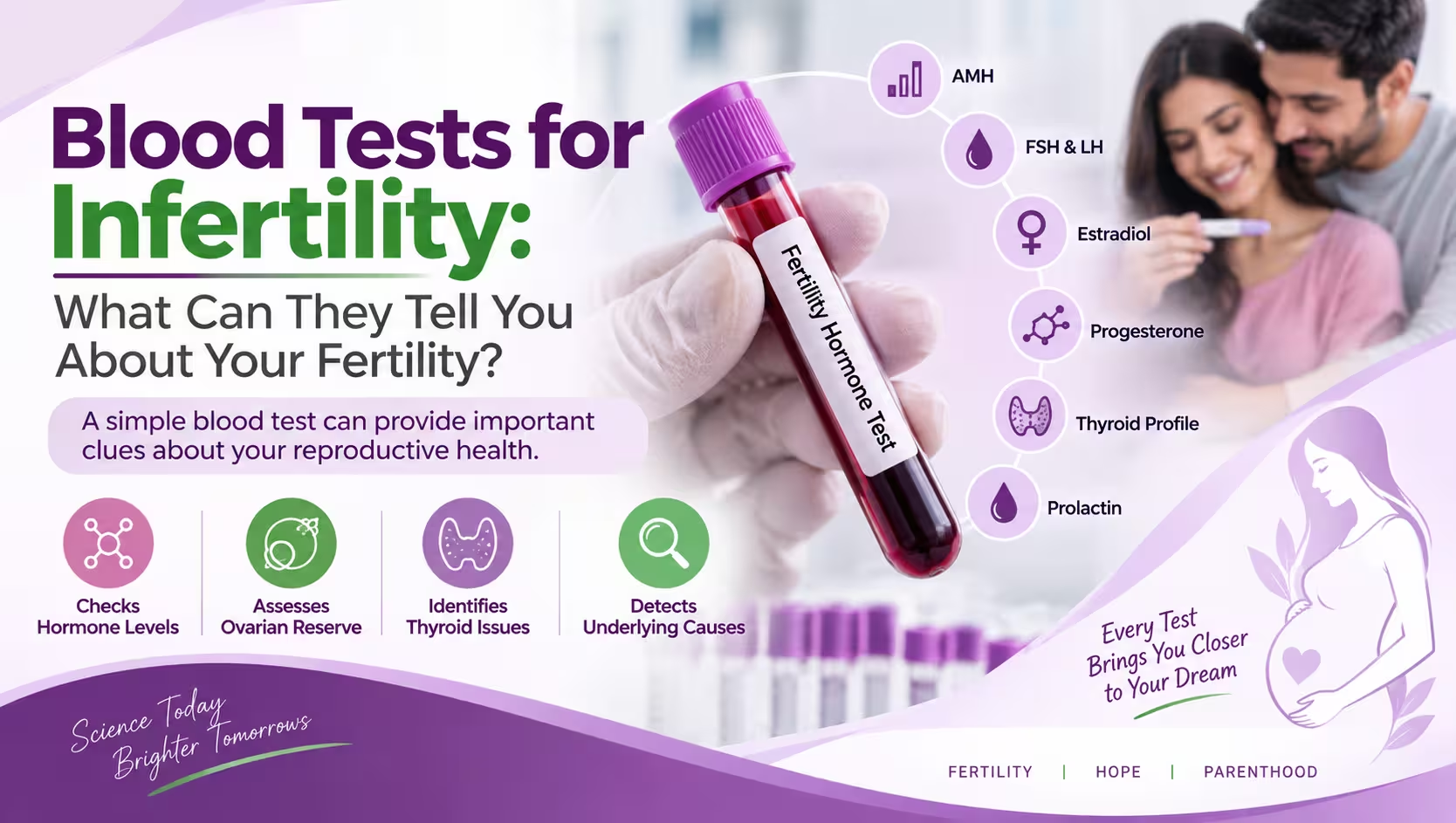
- Hormonal blood test: This tests reproductive hormones and even thyroid hormones when necessary.
- Pelvic ultrasound: This test evaluates the woman’s uterus and ovaries.
- Ovarian reserve test: This helps in determining how many eggs the woman still has left.
- Ovulation test: This test shows whether the eggs are being ovulated normally.
- Tubal testing: HSG is an example of this test.
Evaluation of fertility also includes the male partner since there can be issues with either or both partners.
When Should You See a Fertility Specialist?
It is wise to see a fertility expert in the following cases:
- You are less than 35 years old and have tried for a year
- You are between 35 and 40 years old and have tried for six months
- You are older than 40 and want to get pregnant
- You have irregular or missed periods
- You have endometriosis, PCOS, pelvic infections, or any other fertility issue
You can get a consultation right away if you know you have a medical problem that affects your fertility.
What Are the Treatment Options for Female Infertility?
The method of treatment is determined by the causes of infertility, age, ovarian reserve, and personal factors. The methods used may include:
- IVF: This involves fertilization of the egg using sperm in the laboratory and transfer of the embryo into the uterus.
- Medications for ovulation induction: This is done in women with problems with ovulation.
- Improvement of lifestyle factors: This includes a balanced diet, a normal body weight, and non-smoking.
- Surgical intervention: This is done for certain uterine disorders, fibroids, or tubal disorders.
- IUI: This involves placing the sperm inside the uterus near the time of ovulation.
Not all women need to use IVF. A fertility specialist will prescribe the right treatment method according to the condition.
Conclusion
Female infertility can occur due to several factors, including ovulation disorders, hormonal imbalances, blocked fallopian tubes, endometriosis, and age-related changes in fertility. While some women may experience symptoms such as irregular periods or pelvic pain, others may have no noticeable symptoms apart from difficulty conceiving. Identifying the underlying cause through appropriate medical evaluation can help determine the most suitable treatment. If you are experiencing difficulty conceiving, consult a fertility specialist for personalized guidance. SCI IVF Hospital, a Fertility Center in India, offers fertility evaluation and treatment options, including IVF, to help individuals and couples explore suitable next steps on their fertility journey.
Frequently Asked Questions
1. What are the initial symptoms of female infertility?
The initial symptoms of female infertility include difficulty conceiving. Irregular periods, absence of menstruation or painful periods may point to the presence of some illness that impacts fertility.
2. Is it possible to be infertile and have regular periods?
Yes, regular periods do not mean that everything is okay with fertility. The woman can experience problems with fertilization due to illness of the fallopian tubes, eggs or uterus.
3. Can PCOS cause female infertility?
Yes, PCOS can negatively impact the process of ovulation, thus reducing fertility. However, many women with PCOS conceive both spontaneously and with the help of medical treatment.
4. Is it possible to treat female infertility?
There are a lot of options for treating most types of infertility in females. They include medications, some surgical methods, IUI and IVF, depending on the underlying condition.
5. When should I contact a fertility doctor?
An examination by a fertility doctor is needed after 12 months of trying if you are younger than 35, and after six months if you are 35 to 40 years old.