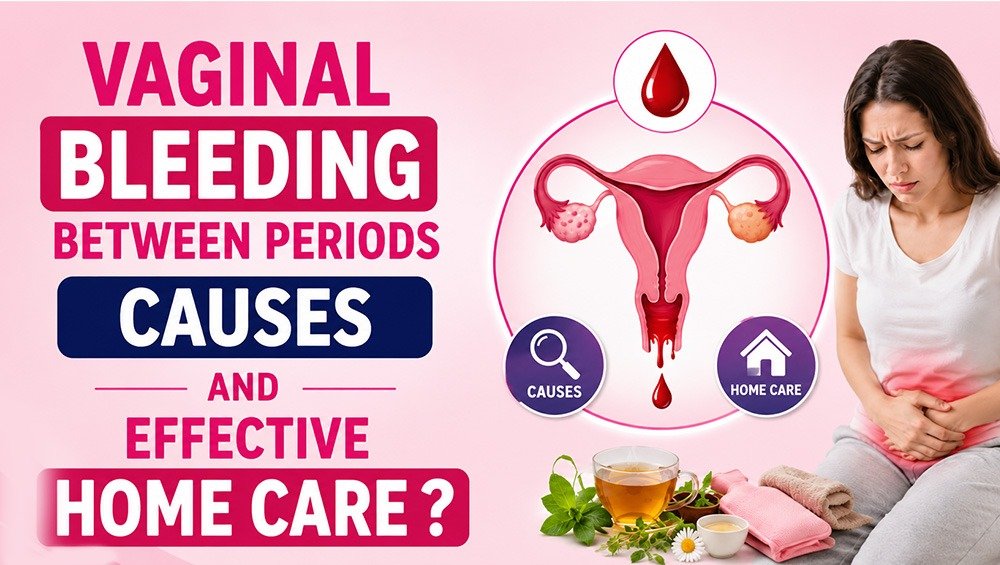
Vaginal Bleeding Between Periods: Causes, Home Care & When to Worry
Surprise bleeding or spotting between periods can be confusing and stressful. Many women may worry about a variety of things, from hormones to fertility or even put a medical spin on it.
Spotting isn't always a danger, but repeated bleeding or spotting isn't something to ignore. Bleeding between periods can be from hormones or other lifestyle causes. In the more serious cases, it can be a sign of some kind of health condition.
The focus of this blog post is to keep you informed of bleeding between your periods and when it may be a serious issue, and what you can do to manage it at home.
What is Vaginal Bleeding Between Periods?
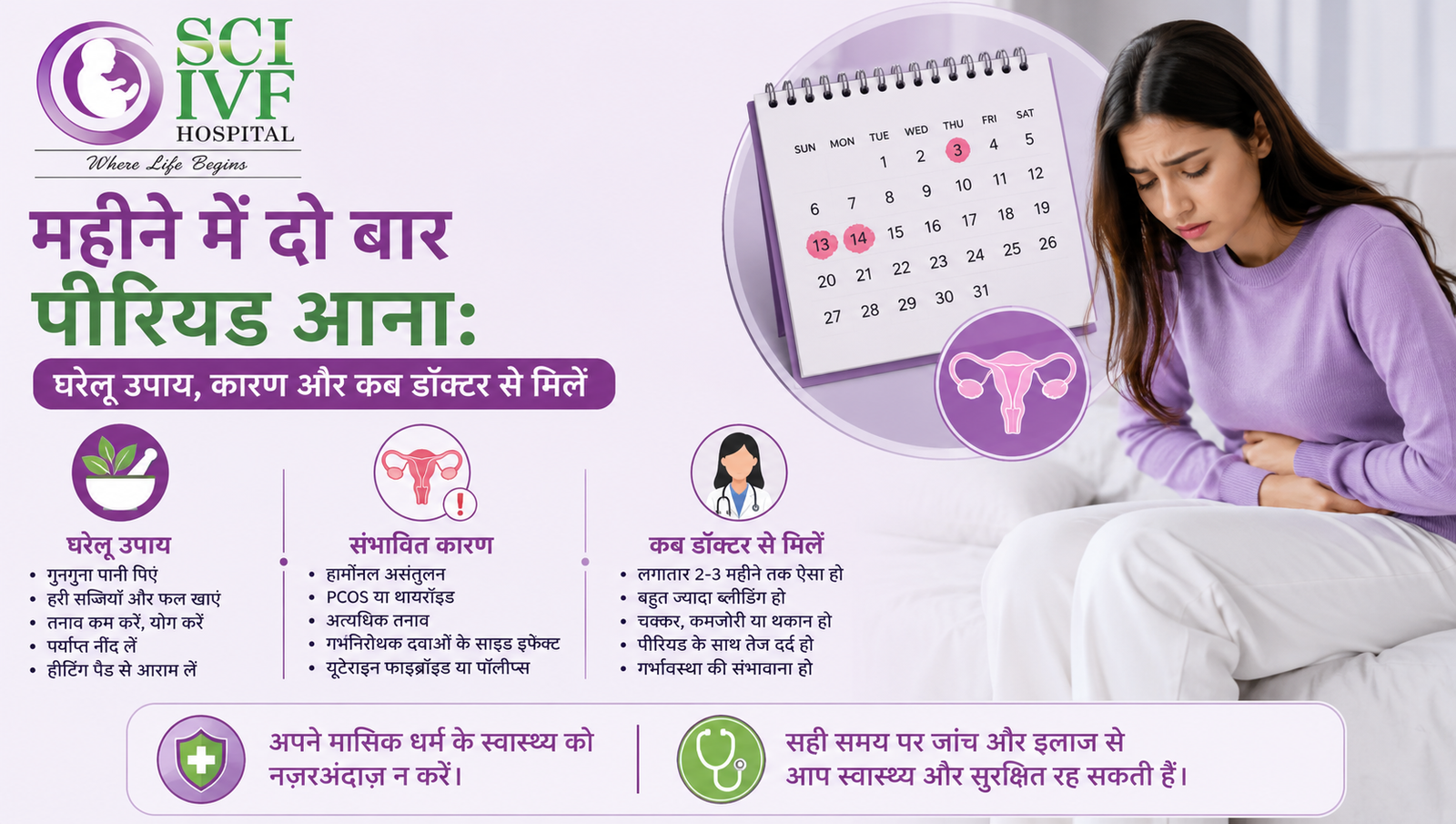
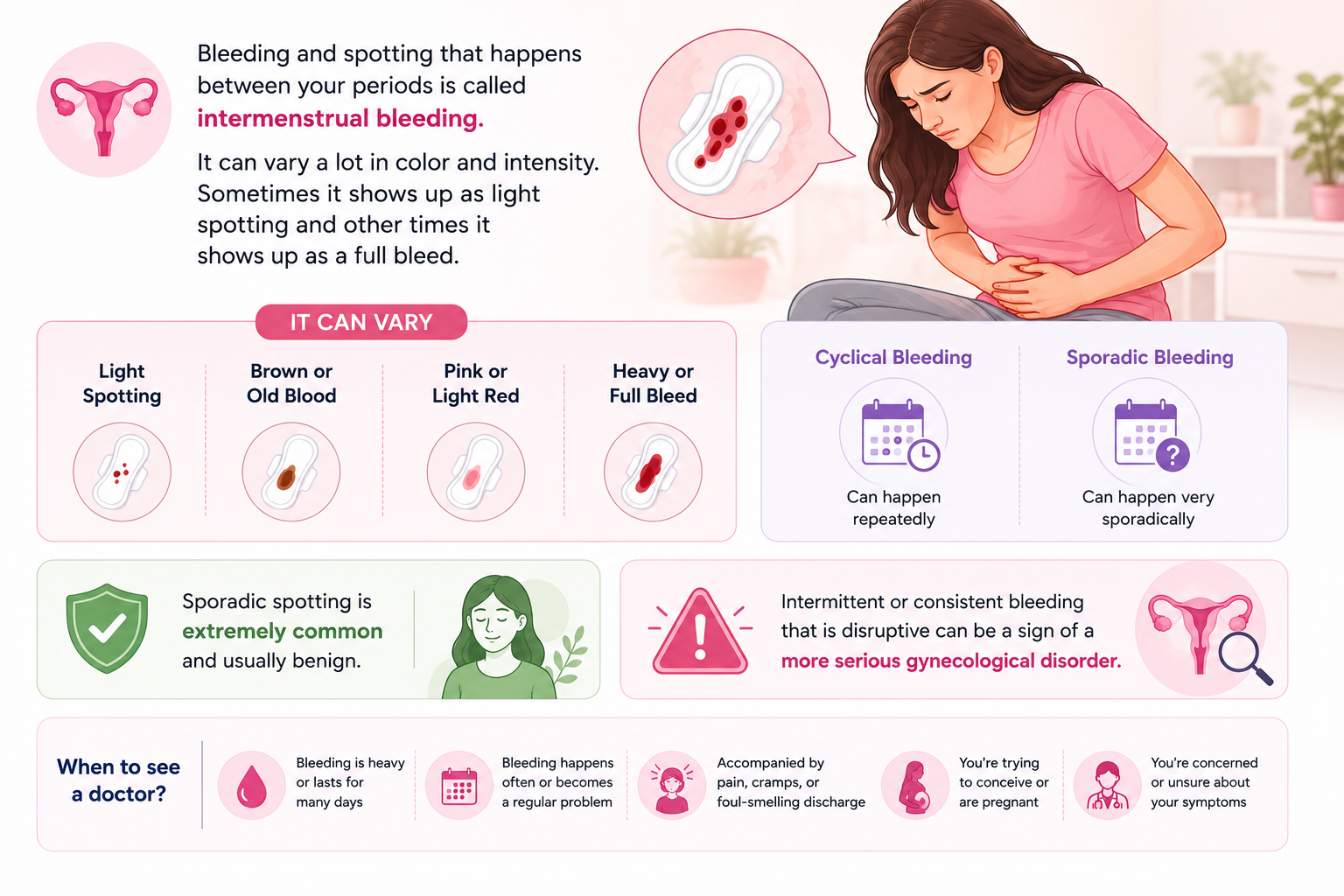
Bleeding and spotting that happens between your periods is called intermenstrual bleeding. It can vary a lot in color and intensity. Sometimes it shows up as light spotting and other times it shows up as a full bleed.
Cyclical bleeding can happen repeatedly or it can happen very sporadically. Sporadic spotting is extremely common and usually benign. Intermittent or consistent bleeding that is disruptive can be a sign of a more serious gynecological disorder.
Common Causes of Vaginal Bleeding Between Periods
There can be many reasons why someone would experience vaginal bleeding between periods, some that may be a little concerning, and some that may not be concerning at all.
Hormonal Imbalance
Some of the most frequent causes of irregular vaginal bleeding are fluctuations in hormones. Sometimes a woman’s levels of estrogen and progesterone shift and can change the course of her menstrual cycle.
Ovulation Spotting
Some women can also see bleeding a little at and around ovulation. This, too, is mid-cycle and is commonly not a serious symptom.
Birth Control Pills or Emergency Contraceptives
Birth control pills and other hormonal products, like Unwanted 72 and other emergency contraceptives, can cause spotting since these products change your hormones.
Polycystic Ovary Syndrome (PCOS)
PCOS causes irregular and missed periods. It can also cause ovulation and spotting at unexpected times.
Pregnancy
Bleeding can be due to implantation spotting. Pregnancy-related bleeding should be examined to rule out risks of miscarriage and other related complications.
Infections
Abnormal bleeding can be due to a vaginal or cervical infection. It can also be due to a sexually transmitted infection which irritates the reproductive tract.
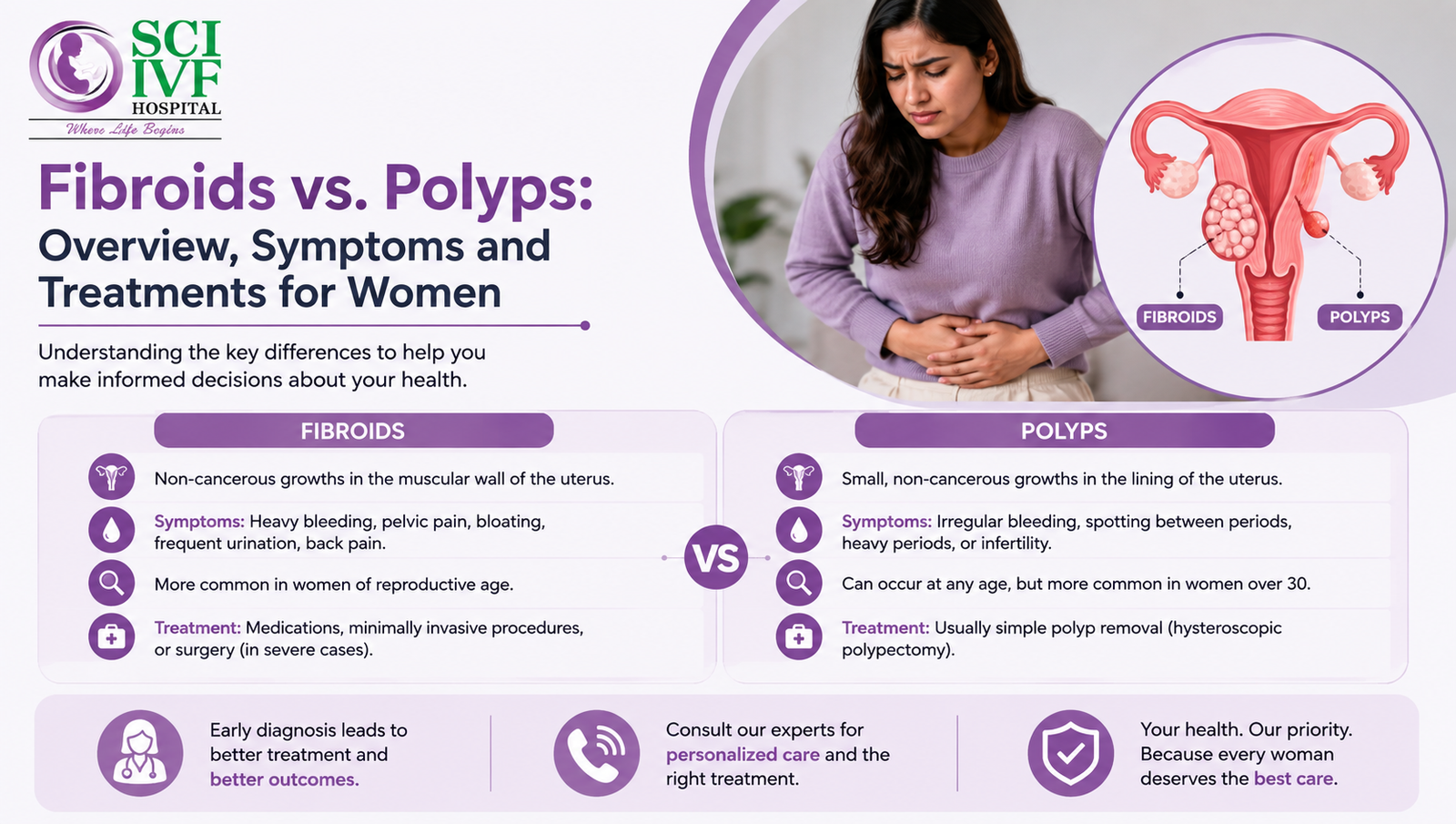
Fibroids or Polyps
Fibroids and Polyps are benign tumors in the uterine cavity that can be a reason for irregular vaginal bleeding.
Stress and Lifestyle Changes
Heavy stress, sleep that is irregular, sudden changes in weight, exercise that is too much, or lifestyle habits that aren’t healthy can cause irregular bleeding.
When Should You Be Concerned?
While occasional light spotting can be normal, it may sometimes indicate an underlying health issue, especially when accompanied by other symptoms such as:
- Heavy or excessive bleeding
- Spotting that occurs after sexual intercourse
- Bleeding during pregnancy
- Severe fatigue, weakness, or lethargy
- Frequent unexplained spotting between periods
Abnormal or persistent spotting can be linked to hormonal imbalances, reproductive health conditions, or fertility-related concerns. If you experience any of these symptoms, it is important to seek medical advice rather than ignore them.
At SCI IVF Hospital, a trusted fertility center in India, our specialists help identify the underlying cause of irregular bleeding and provide personalized guidance to support your reproductive health and fertility goals.
Effective Home Care for Spotting Between Periods
Stress or hormonal fluctuations are frequently the cause of mild spotting and small modifications to your daily routine can make your spotting become minimal.
Diet High in Nutrients
A diet that is high in Vitamins, Proteins, iron and other nutrients can cause your hormonal balance to be better and your reproductive health to be better.
Stay Hydrated
Hydration can help your body and your system function better.
Control Your Stress
Long-term stress can affect your hormonal balance and your menstrual cycle. You can focus on activities such as relaxing and meditating to find a sense of balance and order.
Get Good Sleep
Breaks in your sleep pattern can create large disruptions and lead to spotting.
Track Your Cycle
Journaling, spotting, and your menstrual period can create a system of reporting your irregularities and be of great assistance to your health care provider.
Avoid Smoking or Drinking
Bad habits such as smoking and drinking can create large disruptions in your hormonal balance and reproductive health.
Home care is often suggested and encouraged, but if you spot consistently or it is a spot of periods, you should be evaluated.
Can Vaginal Bleeding Affect Fertility?
Sometimes, irregular spotting does not affect one’s fertility. However, the factors causing irregular spotting could have an effect on fertility in some cases.
These include:
- Hormonal problems
- PCOS
- Ovulatory problems
- Fibroids
- Endometrial problems
These factors might prevent ovulation or fertilization, which makes getting pregnant difficult.
At SCI IVF Hospital, we know that irregular menstruation is associated with fertility issues. That’s why our experts will do everything to determine the cause and recommend individualized treatments.
When to Consult a Fertility or Women’s Health Specialist
Seeking advice from a specialist in fertility or gynecology is recommended when:
- There are recurrent episodes of bleeding between menstruation
- The menstrual cycle pattern is irregular
- There are painful or excessive periods
- Attempts at conception are unsuccessful
- Hormonal imbalances are evident
- Bleeding disrupts normal functioning or mental peace
Early identification helps avoid further health problems and improve reproductive health outcomes. Here at SCI IVF Hospital, we have dedicated specialists who treat women facing hormone-related disorders and other issues.
Conclusion
There can be many reasons for spotting between your period. Most reasons aren't serious. However, people should be proactive if menstruation is highly irregular. For this reason and many others, patients should know the causes of spotting and make smart and healthy decisions for their uterus and fertility.
Mild spotting symptoms can be improved with slight lifestyle changes or by keeping a detailed period journal. However, a major spotting concern would meriting a health professional. If you are concerned about spotting, menstrual irregularity, or fertility issues, come to the experts at SCI IVF Hospital, where we can help you and provide you with healthcare.