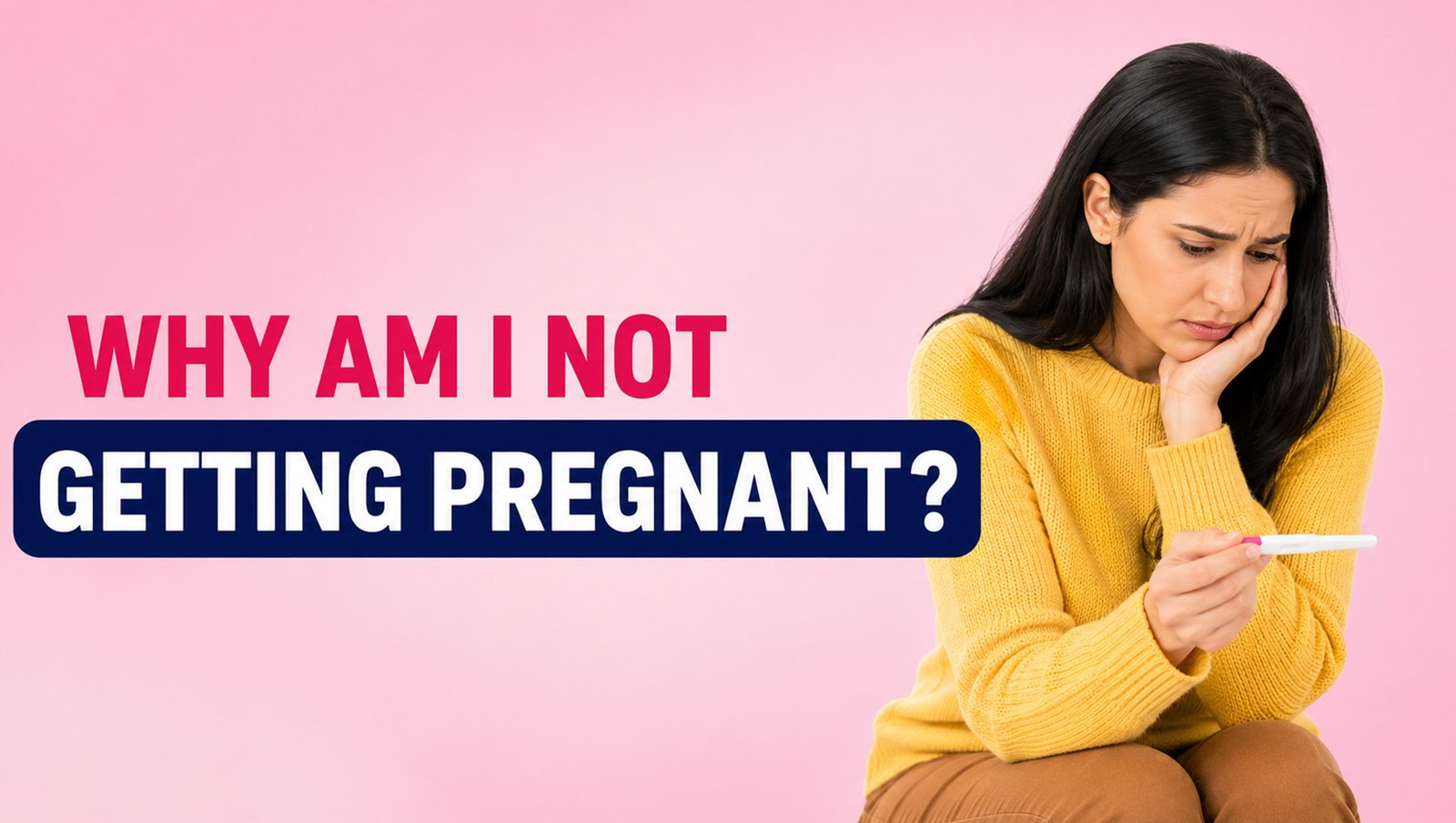
Why am I not getting pregnant?
Trying to get pregnant can be a tough situation, especially when pregnancy seems impossible even when all your fertility reports are normal. Couples feel confusion as they continuously ask themselves, "What keeps me from getting pregnant?" "What keeps me from getting pregnant even when my tests are normal?"
One of the realities is that getting pregnant involves a multitude of interrelated factors that are a combination of the right biology. Even when your fertility tests don't show normal results, unexplained factors may keep you from getting pregnant. This condition is also called unexplained infertility.
This blog will look into the many possible options that might be keeping you from getting pregnant when things are physically normal, as well as the possible treatment options to help.
What Does "Everything Is Normal" Mean?
When couples say everything is normal, they are likely saying their initial fertility tests came back fine. This could be referring to:
- Regular periods
- Ovulation
- Hormone Levels
- Semen Analysis
- Open Fallopian Tubes
- Healthy Uterus
While these results may lessen anxiety, pregnancy requires a lot more than favorable test results. Support for a pregnancy requires successful fertilization, embryo growth, embryo implantation, and successful supportive hormones. Issues with even a single step among these will make getting pregnant very difficult.
Reason for Not Getting Pregnant When Everything Is Normal
Sometimes, there is actually no cause that you can find that stops pregnancy. This is called unexplained infertility. All regular fertility tests appear normal. However, problems as small as the quality of eggs, the function of sperm, fertilization, the development of the embryo, or implantation may cause difficulties.
Unless there is a medical problem, doctors are generally unable to identify a cause of infertility. Definitely speaking, unexplained infertility is one of the more frequent causes of infertility. While the diagnosis can be a cause of at least some of the confusion, it is not the end of the road. Many couples have children either naturally or with the aid of medical procedures.
Why Am I Not Getting Pregnant?
Understanding why you're not getting pregnant is the first step. The next step is knowing what actions may improve your chances of conception. Read our guide on how to get pregnant for practical tips and guidance.
Egg Quality
Regular ovulation doesn’t necessarily mean you have good-quality eggs. After age 35, eggs not only have a lower quality, but also have a higher risk of chromosome abnormalities, which can cause problems with embryo formation.
Semen Quality
Basic semen assessments check for a sufficient number of sperm, how quickly they move and how well they are shaped. Even with these assessments, some sperm can be damaged and still fertilize the egg, while others can have defective functions and still form healthy embryos.
Fertilization
Sperm and eggs can fail to fertilize, even if they test normal and healthy. Generally, this is a hard problem to solve without exhaustive fertility testing.
Embryo Development
Embryos can fail to develop after fertilization in the early stages prior to implantation and can cause issues for future attempts to conceive.
Implantation
In order for a pregnancy to occur, embryos have to develop and implant in the uterus, and both have to be of good quality.
Lifestyle Factors That Can Delay Pregnancy
Medical reports show one side of the picture, but lots of lifestyle habits dig deeper into reproductive health.
Stress And Emotional Health
Long-term stress can make your health feel out of balance. Stress isn’t known to cause infertility, but it can add to the challenges.
Target Weight
Being either too far over an ideal body weight or too far under can impact ovulation as well as reproductive health.
Poor Diet and Nutrition
Eating a diet that is low in the nutrients that are needed to be healthy can impact not just your reproductive health, but also the quality of the eggs and the quality of the sperm.
Use Of Tobacco And Alcohol
Tobacco use is known to impact reproductive health for both men and women, and alcohol in large amounts can also have a negative impact.
Sleep Health
Poor sleep can impact reproductive health as well.
Treatment Options When Everything Appears Normal
Treatment varies with age, fertility history, how long infertility has been occurring, and other individual tests.
Lifestyle Changes
Diet, weight, exercise, and stress management all positively impact fertility.
Ovulation Help
Ovulation support medications increase the chances of becoming pregnant.
Timed Intercourse
Having intercourse at the right time increases the chances of becoming pregnant.
Intrauterine Insemination
IUI is the process of putting sperm into the uterus, and is done at the time of ovulation.
In Vitro Fertilization
IVF is used when the above treatments fail. IVF is used to improve the chances of becoming pregnant and helps overcome infertility.
When Should You See a Fertility Specialist?
Going to a professional on time can really help you.
Consider a fertility expert if:
- You are younger than 35 and have been trying for one year, with no success.
- You are over 35, and have been trying for 6 and have had no success.
- You have experienced multiple pregnancy losses.
- You have had unsuccessful fertility treatments.
- You have worries relating to your reproductive health.
Here at SCI IVF Hospital, our fertility specialists perform custom fertility evaluations to find the possible reasons for infertility and suggest personalized treatments for the particular couple.
Conclusion
Getting a negative pregnancy test when you're trying to conceive can be tough when everything checks out on the fertility front. Tests showing normal results mean everything in the fertility sector is (almost) working, but not always. Many couples have unexplained infertility. Generally, the couples eventually conceive with help and assistance.
Hidden factors in fertility and even subtle changes in reproductive health can be difficult to detect. The first step you can take towards your goal of pregnancy is to see a fertility specialist. You won't know how your body can stand in the way of your reproductive efforts until you make the call.
The SCI IVF hospital specialists help couples understand the status of their fertility and offer a variety of potential assistance in achieving their goals of becoming parents.
FAQs
1. What is the reason for not getting pregnant when everything is normal?
The most common explanation is unexplained infertility, where routine fertility tests appear normal but subtle issues may still affect conception.
2. Why am I not getting pregnant despite regular periods?
Regular periods do not guarantee fertility. Factors such as egg quality, sperm function, implantation issues, or unexplained infertility may contribute.
3. Can unexplained infertility be treated?
Yes. Treatment options include lifestyle changes, ovulation support, IUI, and IVF depending on individual circumstances.
4. How common is unexplained infertility?
Unexplained infertility accounts for a significant proportion of infertility cases and affects many couples worldwide.
5. When should I see a fertility specialist?
If you are under 35 and have been trying for a year, or over 35 and have been trying for six months, you should seek specialist advice.
6. Can IVF help if all fertility tests are normal?
Yes. IVF can help overcome hidden fertility issues and is often effective for couples diagnosed with unexplained infertility.